Have you ever walked through an RV dealership and thought, “Wait… didn’t I just see this exact floorplan five minutes ago?” Don’t worry, you’re not imagining things.
The RV industry is full of nearly identical campers sold under completely different brand names. Sometimes they’re sister models with a few feature differences, and sometimes they’re literally the exact same RV wearing different decals.
So why does this happen? Is one actually better than the other? Are you paying more for a logo?
Let’s take a closer look and explain why clone RVs exist, how manufacturers use them, and what every RV shopper should know before signing on the dotted line.
Table of Contents
What Is a Clone RV?
Why Manufacturers Build Identical RVs
Sister Brands vs. Clone RVs
Common Clone RV Examples
Private Label RVs Explained
Does a Different Brand Mean Better Quality?
What Does DSO Mean?
Tips for Shopping Clone RVs
Frequently Asked Questions
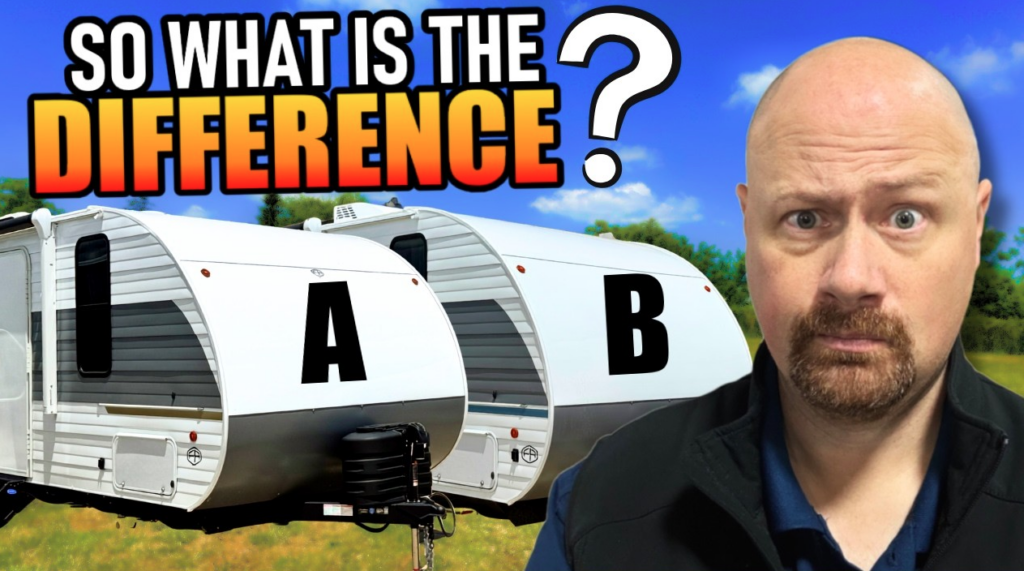
What Is a Clone RV?
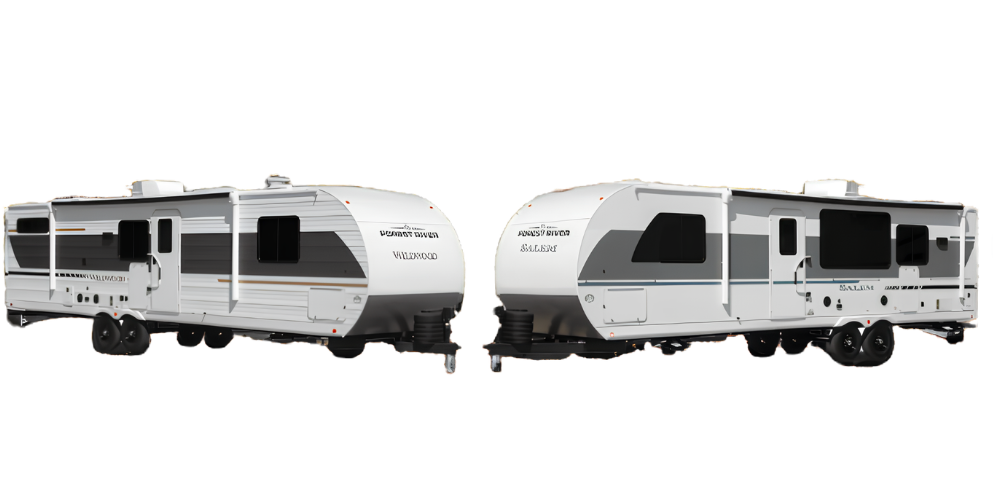
A clone RV is exactly what it sounds like, two campers built from the same floorplan, using the same construction methods, components, and production line, but sold under different brand names.
From the outside, they may have different graphics or decals.
Inside, however, you’ll often find:
- The same cabinetry
- The same appliances
- The same furniture
- The same chassis
- The same floorplan
- The same construction team
In many cases, they’re identical in every meaningful way.
Why Manufacturers Build Identical RVs
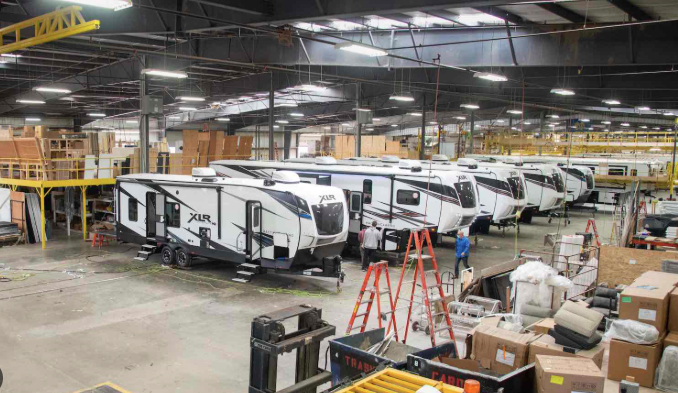
It might sound strange, but there are several good business reasons for manufacturers to produce nearly identical RVs.
Production Efficiency
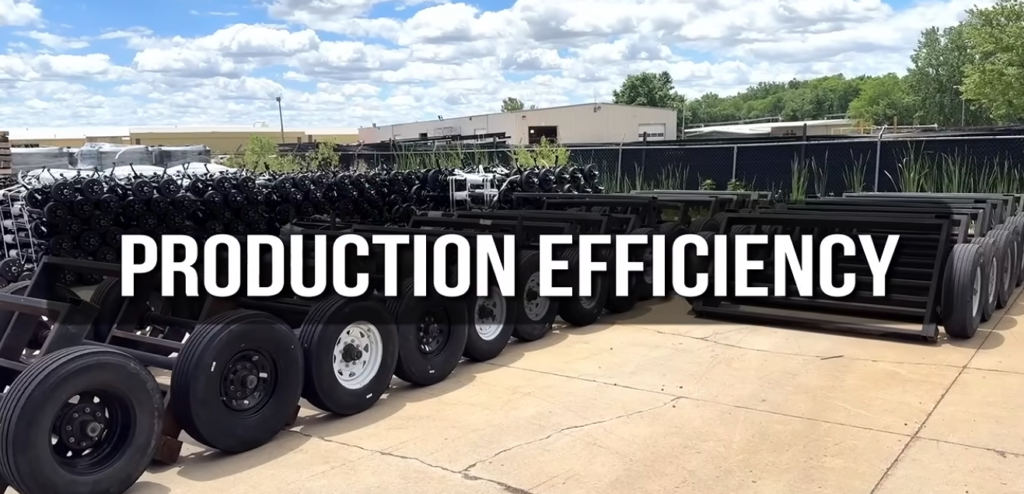
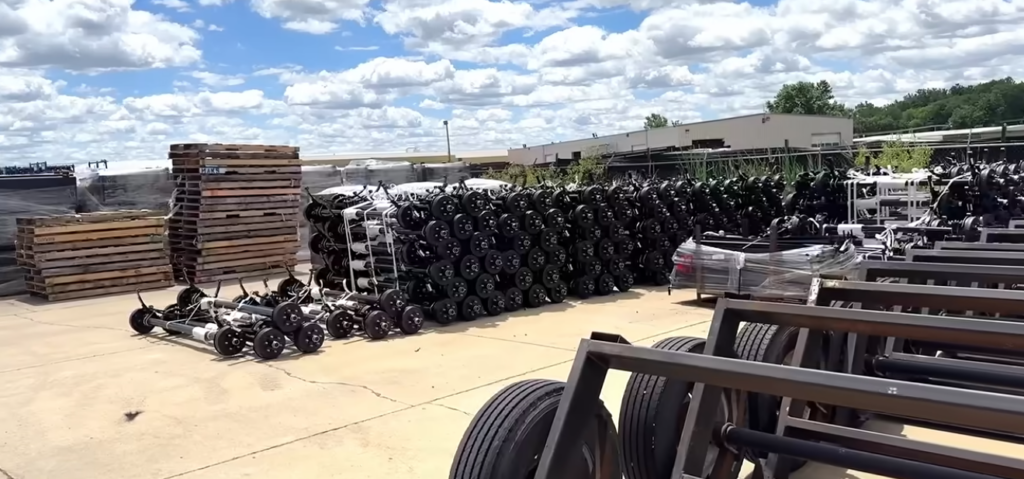
Using the same design across multiple brands allows manufacturers to simplify production.
Instead of ordering dozens of different sinks, refrigerators, countertops, and axles, they can purchase larger quantities of the same components.
Benefits include:
- Lower manufacturing costs
- Simpler inventory management
- Faster production
- More consistent assembly
Those efficiencies can help keep prices competitive for consumers.
Brand Recognition
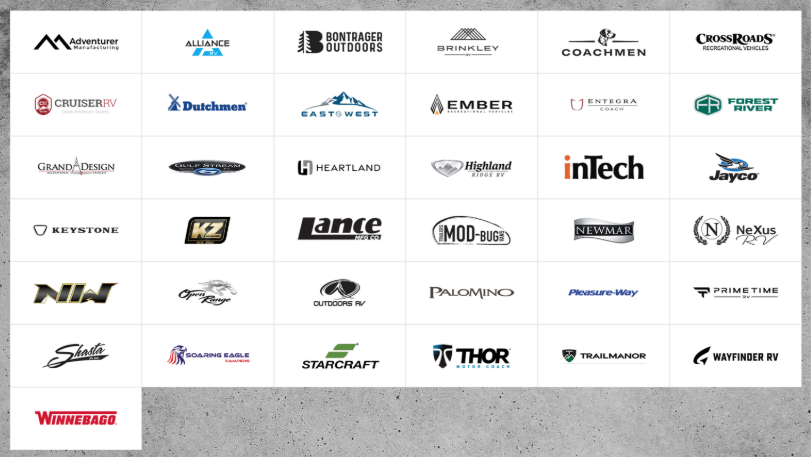
Many RV brands have existed for decades, and even when production changes or companies merge, those brand names still carry recognition and loyal customers.
Rather than retiring a well-known brand entirely, manufacturers often continue producing it, even if it becomes identical to another product already in their lineup.
The History of Clone RVs
This practice isn’t new. Long before online shopping and YouTube reviews existed, manufacturers could offer nearly identical trailers under different names to different dealerships.
Without easy price comparisons, dealers could differentiate themselves through customer service, financing, or local reputation.
Today, shoppers have access to thousands of reviews, walkthrough videos, and specification sheets, making it much easier to spot identical models.
But the multiple-brand strategy continues because those names have become established entities of the RV marketplace.
Sister Brands vs. Clone RVs
Not every similar RV is actually identical, there’s an important distinction, sister brands
Sister brands share engineering, construction methods, and overall design philosophy but still have meaningful differences.
Those differences might include:
- Furniture packages
- Exterior styling
- Appliance upgrades
- Interior décor
- Available options
Think of them like siblings, they have similarities but are still unique.
Clone RVs
Clone RVs are identical twins.
They come from:
- The same factory
- The same production team
- The same floorplans
- The same materials
- The same components
The only noticeable difference may be the graphics on the outside.
Common Clone RV Examples
Several manufacturers produce identical RVs under different names.
Some well-known examples include:
| Brand | Clone Brand |
|---|---|
| Salem | Wildwood |
| Salem Hemisphere | Wildwood Heritage Glen |
| Rockwood | Flagstaff |
| Sierra | Sandpiper |
| Hideout | Springdale |
In many of these cases, shoppers are comparing two RVs that are virtually indistinguishable beyond branding and dealership availability.
As product lines evolve, manufacturers may update features or separate the brands again, so similarities can change over time.
What Are Private Label RVs?
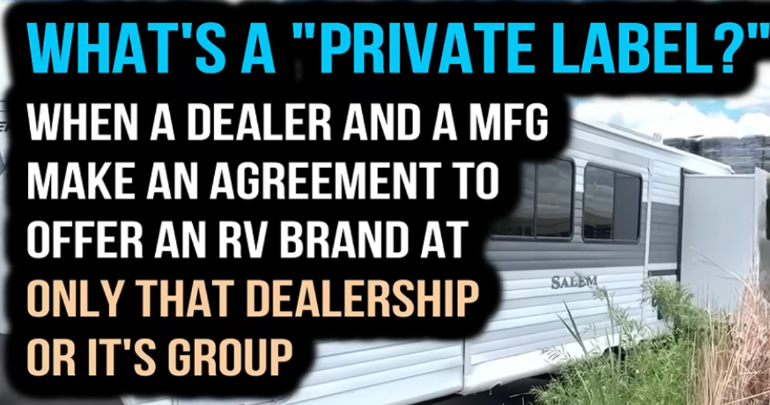
Some dealerships offer exclusive brands that are built by major manufacturers.
These are often called private label RVs.
They may receive:
- Different graphics
- Slightly different décor packages
- Minor feature changes
- Dealer-exclusive names
But underneath, they frequently share the same structure and engineering as nationally recognized models.
This allows dealerships to offer products that aren’t directly competing with the dealership down the street while still benefiting from proven designs.
Does One Brand Have Better Quality?
Not necessarily.
If two RVs are true clone products, they’re built:
- On the same assembly line
- By the same production team
- Using the same components
Quality differences are usually minimal or nonexistent.
Instead of focusing solely on the badge, shoppers should compare:
- Dealer reputation
- Customer service
- Warranty support
- Service department availability
- Pricing
- Included benefits
- Overall buying experience
Sometimes the better purchase isn’t about the camper, it’s about the dealership standing behind it.
What Does DSO Mean?
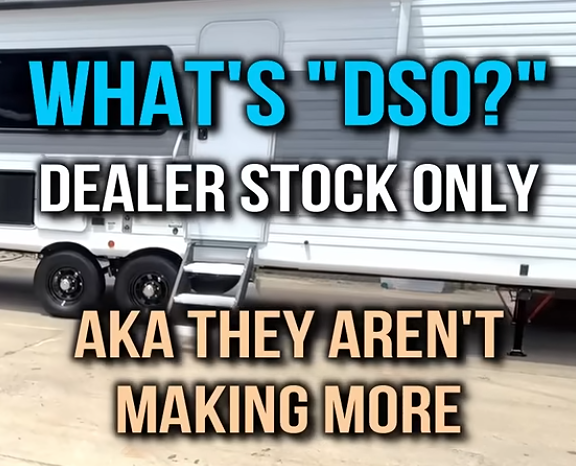
While shopping, you may notice a floorplan labeled DSO, which stands for Dealer Stock Only.
This means:
- The manufacturer has retired the floorplan.
- Dealers may still have remaining inventory.
- No new units are currently being produced.
It’s essentially the final opportunity to purchase that particular layout before it disappears from the manufacturer’s lineup.
How to Shop Smarter
When comparing similar RVs:
Don’t assume different names mean different products.
Look beyond the decals and compare:
✔ Floorplans
✔ Construction methods
✔ Standard features
✔ Appliance packages
✔ Warranty coverage
✔ Dealer support
A little research can save thousands of dollars and help you make a more informed decision.
Frequently Asked Questions
Why do two RVs have different names but look identical?
Many manufacturers produce the same camper under multiple brands for production efficiency, dealership agreements, and market positioning.
Are clone RVs lower quality?
No. If two RVs are true clone products, they’re typically built using the same materials, production team, and components.
What’s the difference between sister brands and clone RVs?
Sister brands share similar engineering but offer different features or options. Clone RVs are essentially identical campers sold under different names.
Should I buy the cheaper one?
If the construction and features are identical, compare dealership reputation, service support, warranty experience, and included benefits, not just price.
The RV industry is full of familiar floorplans wearing different badges, and that’s not necessarily a bad thing.
Understanding the difference between sister brands and clone RVs can help you shop with confidence, avoid paying extra for a logo, and focus on what really matters… finding the right RV backed by a dealership you trust.
The more informed you are before you buy, the more likely you’ll spend less time worrying about the name on the front cap, and more time making memories at the campground!

Written By: Brooke Erickson
Some say I am a writer, I like to say I am a storyteller