
Your RV’s black tank isn’t the most glamorous part of camping, but it may be one of the most important. Proper black tank maintenance can prevent foul odors, clogged tanks, inaccurate sensors, and expensive repairs that can cut a trip short.
The good news? Taking care of your RV’s black tank is much easier than most people think. With a few simple habits and the right products, you can keep your system functioning properly for years to come.
In this guide, we’ll cover the most important RV black tank care tips, common mistakes to avoid, and expert advice from the RVFix team.
Table of Contents
Understanding our RV Black Tank
Always Use Tank Treatment Chemicals
Why RV Toilet Paper Matters
The Biggest Black Tank Mistake RV Owners Make
How to Properly Dump Your Tanks
Preventing the “Poop Pyramid”
Fixing Black Tank Sensor Problems
Seasonal Black Tank Maintenance Tips
Common Black Tank Problems and Solutions
FAQ
Final Thoughts
Understanding Your RV Black Tank
Your black tank is the holding tank that collects waste from your RV toilet. Unlike a residential plumbing system, your RV relies on a holding tank that must be properly maintained and emptied on a regular basis.
Because waste sits in the tank until it is dumped, proper chemical treatment and water usage are essential to breaking down solids and controlling odors.
Always Use Tank Treatment Chemicals
One of the simplest ways to maintain your black tank is by adding a holding tank treatment after every dump.
RV tank treatments help:
- Control odors
- Break down waste
- Improve sensor performance
- Reduce buildup inside the tank
- Keep waste flowing more easily
According to Bish’s expert RVFix technician, Tony, tank treatments contain enzymes that help break down solids while also creating an odor barrier inside the tank.
Today’s RV owners can choose from:
Drop-In Packets
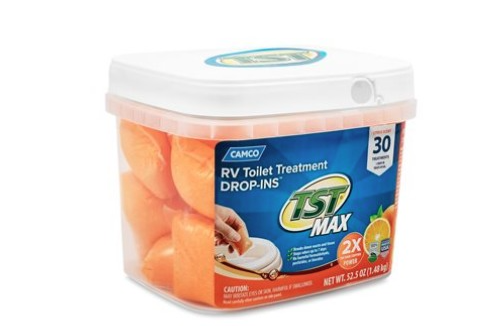
Pre-measured packets that are flushed directly into the toilet.
Liquid Treatments
Liquid formulas that allow you to measure based on tank size.
Enzyme-Based Treatments
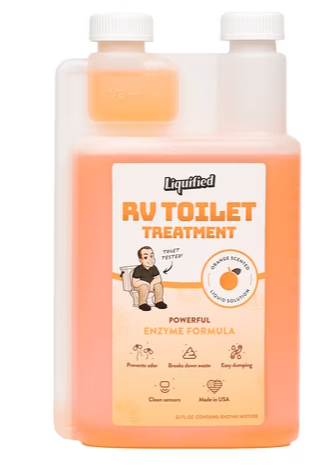
Popular among full-time RVers because they naturally break down organic waste and toilet paper.
Why RV Toilet Paper Matters
One of the most common questions RV owners ask is whether RV toilet paper is really necessary.
The answer is yes, specially if you want to reduce clogs and buildup.
RV toilet paper is specifically designed to dissolve much faster than household toilet paper. Traditional toilet paper often remains clumpy and stringy, while RV-specific paper breaks down more completely inside the tank.
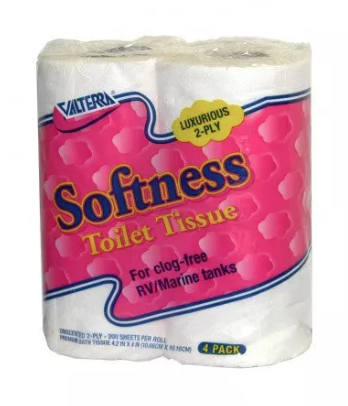
While some septic-safe household papers may perform adequately, RV toilet paper remains the safest option for preventing blockages.
The Biggest Black Tank Mistake RV Owners Make
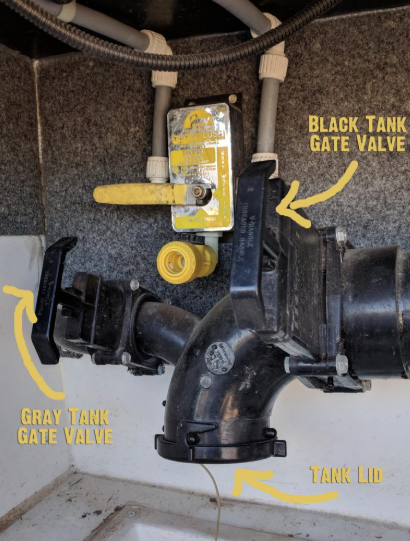
If you’re staying at a campground with full hookups, it can be tempting to leave your black tank valve open. Don’t do it! Leaving the black tank valve open allows liquids to drain away while solids remain behind. Over time, waste accumulates directly beneath the toilet and forms a hardened mound.
Many RV owners refer to this as:
- A poop pyramid
- Waste pyramid
- Black tank mound
Once formed, this buildup can become difficult to remove and may require specialized treatments or professional assistance.
How to Properly Dump Your Tanks
Following the correct dumping process helps protect your equipment and keeps your sewer hose cleaner.
Step 1: Keep Valves Closed
Allow the black tank to reach at least two-thirds full before dumping.
Step 2: Dump the Black Tank First
Open the black tank valve and allow it to fully drain.
Step 3: Close the Black Tank Valve
Once emptied, close the valve completely.
Step 4: Dump the Gray Tank
Open the gray tank valve. The relatively clean water from sinks and showers helps rinse waste residue from the sewer hose.
Step 5: Add Water and Treatment
After dumping, always add several gallons of water and your preferred tank treatment.
Never leave a freshly dumped black tank completely dry.
Preventing the “Poop Pyramid”
A poop pyramid occurs when waste hardens beneath the toilet opening and blocks proper drainage.
To prevent it:
- Use plenty of water with every flush
- Never leave the black tank valve open
- Use tank treatment consistently
- Dump only when the tank is mostly full
- Periodically perform a deep cleaning flush
Many experienced RV owners follow the rule: “Lots of water equals fewer black tank problems.”
Fixing Black Tank Sensor Problems
One of the most frustrating RV issues is a tank monitor that always reads full.
This typically happens when waste residue sticks to the inside tank walls and sensor probes.
RVFix recommends using an enzyme-based tank cleaning treatment designed to break down buildup and clean sensor surfaces. Their technicians often recommend filling the tank, adding treatment, allowing it to soak, and then dumping it after sufficient cleaning time.
Other methods RV owners use include:
- Tank flushing systems
- Built-in tank sprayers
- Ice cube cleaning methods (though results vary)
- Deep-clean enzyme treatments
Seasonal Black Tank Maintenance Tips
Before Camping Season
- Flush the black tank thoroughly
- Check sewer hose seals
- Inspect dump valves
- Verify tank sensors are functioning
During Camping Season
- Use treatments after every dump
- Monitor tank levels
- Watch for unusual odors
- Use plenty of water
Before Winter Storage
- Completely empty and flush the tank
- Clean sensors if needed
- Leave the tank clean and dry
- Follow your RV manufacturer’s winterization procedures
Common Black Tank Problems and Solutions
| Problem | Likely Cause | Solution |
|---|---|---|
| Persistent odors | Lack of treatment or buildup | Add treatment and perform deep cleaning |
| Tank won’t drain completely | Waste buildup | Flush and use enzyme treatment |
| Toilet burps when flushed | Tank nearly full | Dump black tank |
| Sensors always read full | Waste on sensor probes | Deep-clean tank |
| Slow drainage | Beginning of a clog | Increase water use and treatment |
Pro Tip: Invest in a Quality Sewer Hose
A quality sewer hose can make dumping cleaner and easier.
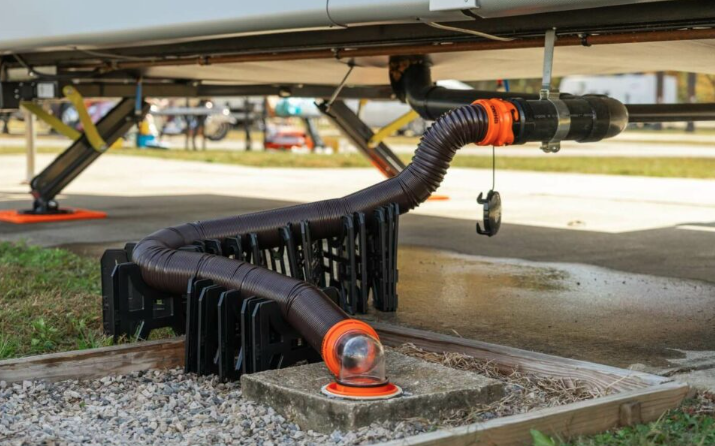
RVFix recommends using a sewer hose with:
- A secure dump station adapter
- Leak-resistant fittings
- Durable construction
- A clear elbow connector
The clear elbow allows you to visually monitor the flow and know when the tank has finished draining. Some campgrounds even require a proper sewer connection adapter to use their dump stations.
Frequently Asked Questions
How often should I dump my RV black tank?
Most RV owners should wait until the tank is at least two-thirds full before dumping to ensure adequate liquid flow.
Can I leave my black tank valve open at a campsite?
No! This is one of the fastest ways to create waste buildup and clogs.
What happens if my black tank gets clogged?
Many clogs can be resolved with enzyme treatments, additional water, and proper flushing procedures. Severe clogs may require professional assistance.
Do black tank treatments really work?
Yes! They help control odors, break down solids, and reduce buildup inside the tank.
Why do my tank sensors read incorrectly?
Residue buildup on sensor probes is the most common cause of inaccurate readings.
Final Thoughts
Black tank maintenance may not be the most exciting part of RV ownership, but it is one of the easiest ways to avoid costly repairs and frustrating camping experiences. By using tank treatments, choosing RV-safe toilet paper, keeping your valves closed, and dumping your tanks correctly, you can prevent most black tank problems before they start.
And if you’re already dealing with a clog, sensor issue, or stubborn tank buildup, the RVFix team can help diagnose the problem and walk you through the best solution so you can get back to enjoying your camping adventures.


Written By: Brooke Erickson
Some say I am a writer, I like to say I am a storyteller