Five years gives you enough time to actually see which decisions held up and which ones didn’t. Not the romantic version where everything worked out perfectly because you were following your dreams, the real version, where some calls were genuinely smart and others were expensive lessons we had to learn the hard way.
We figured it was time to actually sit down and take stock. Here’s the honest list, the decisions we’d make again without hesitation, and the ones we’d do differently if we were starting over.
Best Decision: Going When We Went, Not When It Felt “Perfect”
There was never going to be a moment where every condition lined up and full-timing felt like the obviously safe choice. We’ve written before about how there will always be a reason to wait, the timing, the money, the uncertainty of the world at any given moment.
We went anyway, and looking back, that decision to stop waiting for permission from the circumstances is probably the single best thing we did.
Our kids were a certain age. We were a certain version of ourselves, with a certain amount of energy and willingness to take a leap. None of that holds still. If we’d waited for the conditions to feel ideal, we’d probably still be waiting, and we would have missed five years of exactly the life we wanted.
Best Decision: Switching to a Toy Hauler
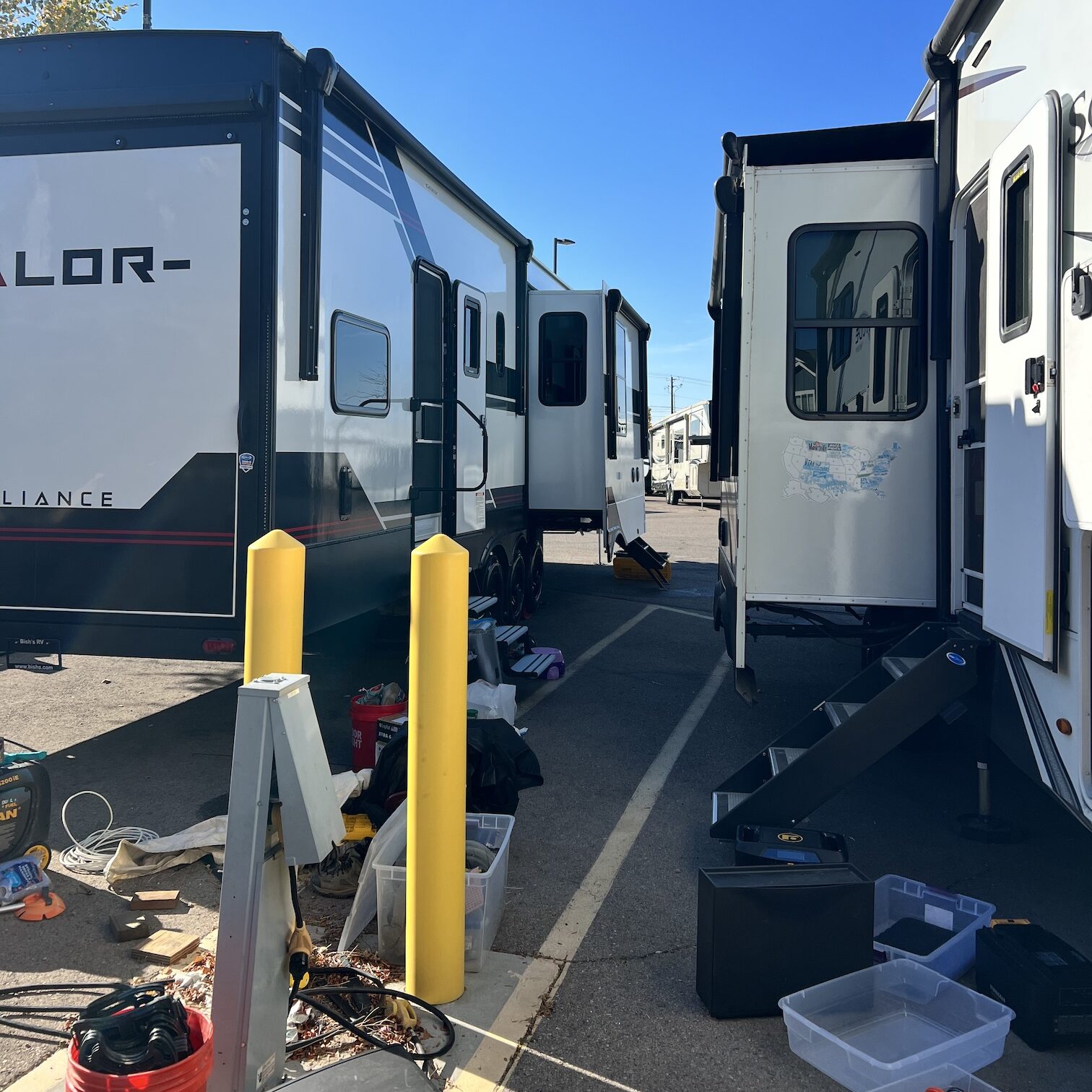
We started in a bunkhouse fifth wheel, and it served us well for the version of full-timing we were doing at the time. But as our camping style shifted toward wanting to explore more boondocking and flex space, the fifth wheel started showing its limits.
Smaller tanks, less battery capacity, a setup that wasn’t built for the way we were actually living.
Moving to a toy hauler solved more problems than we expected going in. The garage space turned into a flexible area that could be a workspace, a schoolroom, and a gear room depending on the day. The capability for off-grid stretches opened up destinations and stays that the fifth wheel simply couldn’t support. It wasn’t a small or cheap decision, but it’s one we’d make again immediately.
Follow Us on Instagram!
Best Decision: Using RV Fix Instead of Chasing Shops
Anyone who full-times long enough learns this lesson eventually: finding a reliable repair shop in an unfamiliar town, on someone else’s schedule, while you’re trying to keep moving, is one of the more frustrating parts of this life. Service bays book out weeks in advance. Shops you’ve never used are a gamble. And every day spent waiting on a diagnosis is a day you’re not where you wanted to be.
RV Fix changed that for us. Instead of loading up the rig and hauling it to a shop just to get someone to look at an issue, you get on a video call with a certified RV technician who walks through the problem with you in real time
For full-timers especially, that matters. Your RV is your home. Sitting in a shop parking lot waiting on a diagnosis is not a minor inconvenience, it’s your life on pause. Having a resource that can get a real technician on the problem from wherever you’re parked, often solving it without any of that, is one of the more underrated advantages available to RVers right now.

Best Decision: Prioritizing Dedicated Workspace
Early on, we underestimated how much it would matter to have real, separate space for work and school. In the beginning, everyone shared the same general area for everything, meals, schoolwork, calls, downtime and it functioned, but it created more friction than we expected. Overlapping noise. Competing needs for the same table. A general sense that nobody had quite enough room to focus.
When we prioritized a layout that gave Chris a real office space and gave our oldest a dedicated spot for school, the entire rhythm of our days improved. It wasn’t about square footage so much as it was about having defined zones that matched what each person actually needed to do. That’s a lesson we wish we’d understood from day one instead of learning it through a year of unnecessary friction.
Best Decision: Choosing Alliance After Real Research
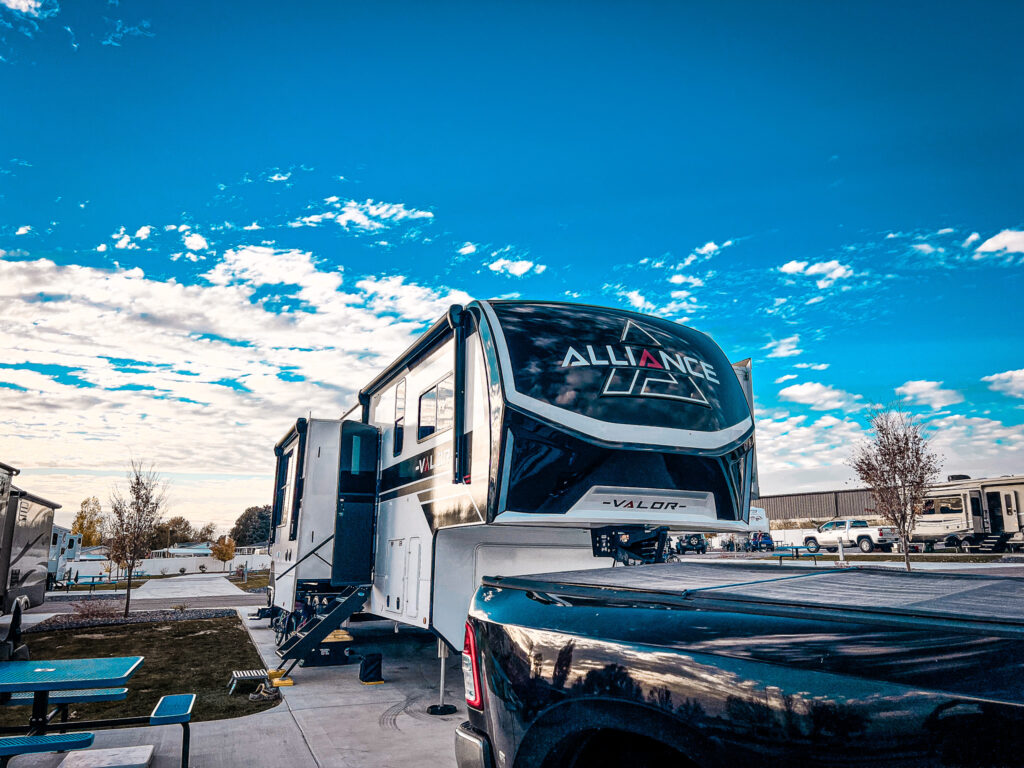
We didn’t pick our current brand because it was convenient or because a salesperson talked us into it. We researched builds, looked at how different manufacturers handled the things that matter most for full-time use, and made a deliberate decision based on what we’d actually be living in every day, not just what looked good on a lot.
That research process took longer than just picking whatever was available nearby, but it paid off in ways that compound every single day we’re on the road. When you’re living in something full-time, the build quality and design decisions that seemed like minor details in a showroom become very real, very fast. Taking the research seriously upfront saved us from a lot of regret later. That’s why we own an Alliance RV!
Worst Decision: Bringing Way Too Much Stuff
We’ve written before about what full-time RV life taught us about owning less, and the honest version of that story starts with us bringing far more than we should have when we left. We weren’t minimalists going in and we’re still not minimalists now. We have plenty of stuff, plenty of toys, more gear than we probably need. But that first load-out was genuinely excessive even by our own standards.
It took us longer than it should have to figure out which things actually mattered versus which things we’d just hauled along out of habit. If we were doing it again, we’d edit much harder before we ever left the driveway, because almost everything we eventually got rid of on the road, we could have left behind from the start.
Worst Decision: Underestimating the Real Monthly Costs
Like a lot of new full-timers, we went in with a budget that was more optimistic than realistic. We had a general sense of what fuel and campgrounds would cost, but the smaller categories like maintenance, incidental repairs, the process of eating out more than planned, added up faster than we expected in that first year.
It wasn’t any single category that blew the budget. It was the accumulation of several categories all running a little higher than we’d planned for, which together created a gap between what we expected to spend and what we actually spent. Once we built a more realistic budget based on actual data from those first months, things stabilized. But that first stretch of figuring it out the hard way is something we’d skip if we could go back and tell ourselves what to expect.
Worst Decision: Moving Too Fast
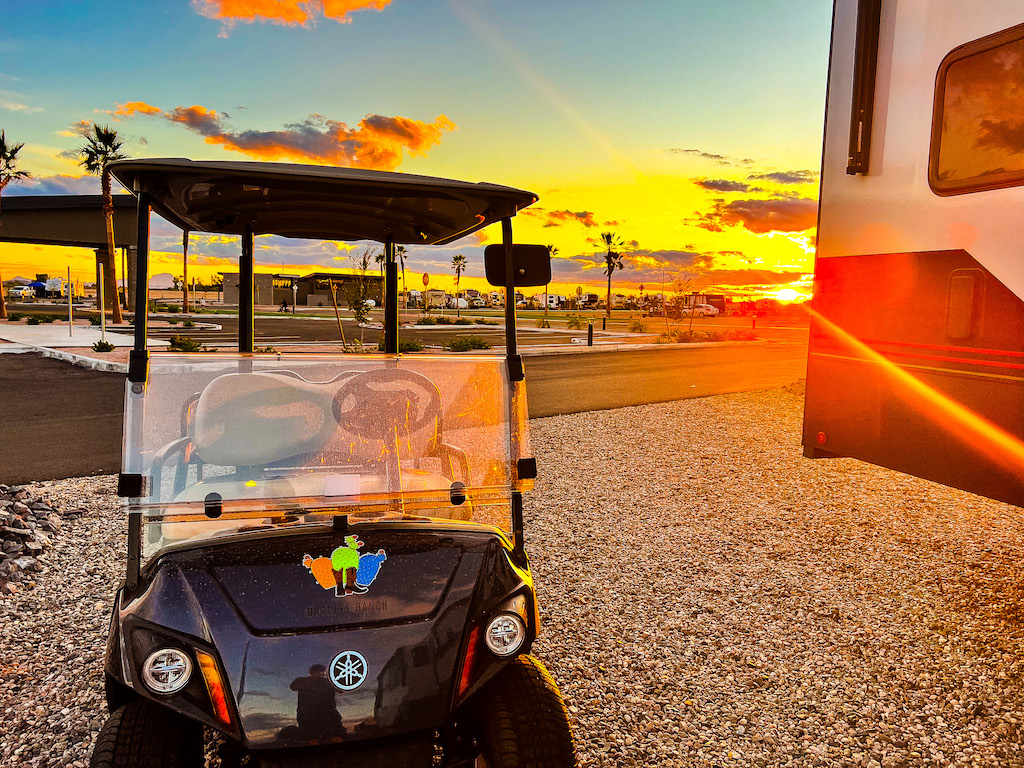
This is the one we’d go back and change most if we could. In the early days of full-timing, there was a pull to keep moving to new places, new experiences, always something ahead on the map. So we moved. A lot. Two days here, three days there, constantly setting up and breaking down and heading somewhere new before we’d really had time to settle into where we were.
It took longer than it should have to realize what we were giving up. When you stay somewhere for only a few days, you spend the first day figuring out where everything is and the last day packing up to leave. What’s left in the middle is never quite enough time to actually experience the place. The hike you meant to do doesn’t happen. The town you wanted to explore gets a single afternoon. The campground that looked amazing in the photos ends up being a backdrop you mostly saw through the windshield.
The full-timers who seem to get the most out of this life are almost always the ones who slow down. A week minimum somewhere, two weeks if you can swing it. Long enough to stop feeling like a tourist and start feeling like you actually know the place. Long enough for the unexpected thing like the local recommendation, the trail you stumbled on, the conversation with a neighbor in the next site.
We camp longer now. Every time we do, we leave wishing we’d had more time. That’s the version of this life we’d tell our earlier selves to build from the start.
Worst Decision: Waiting Too Long on a Small Maintenance Issue
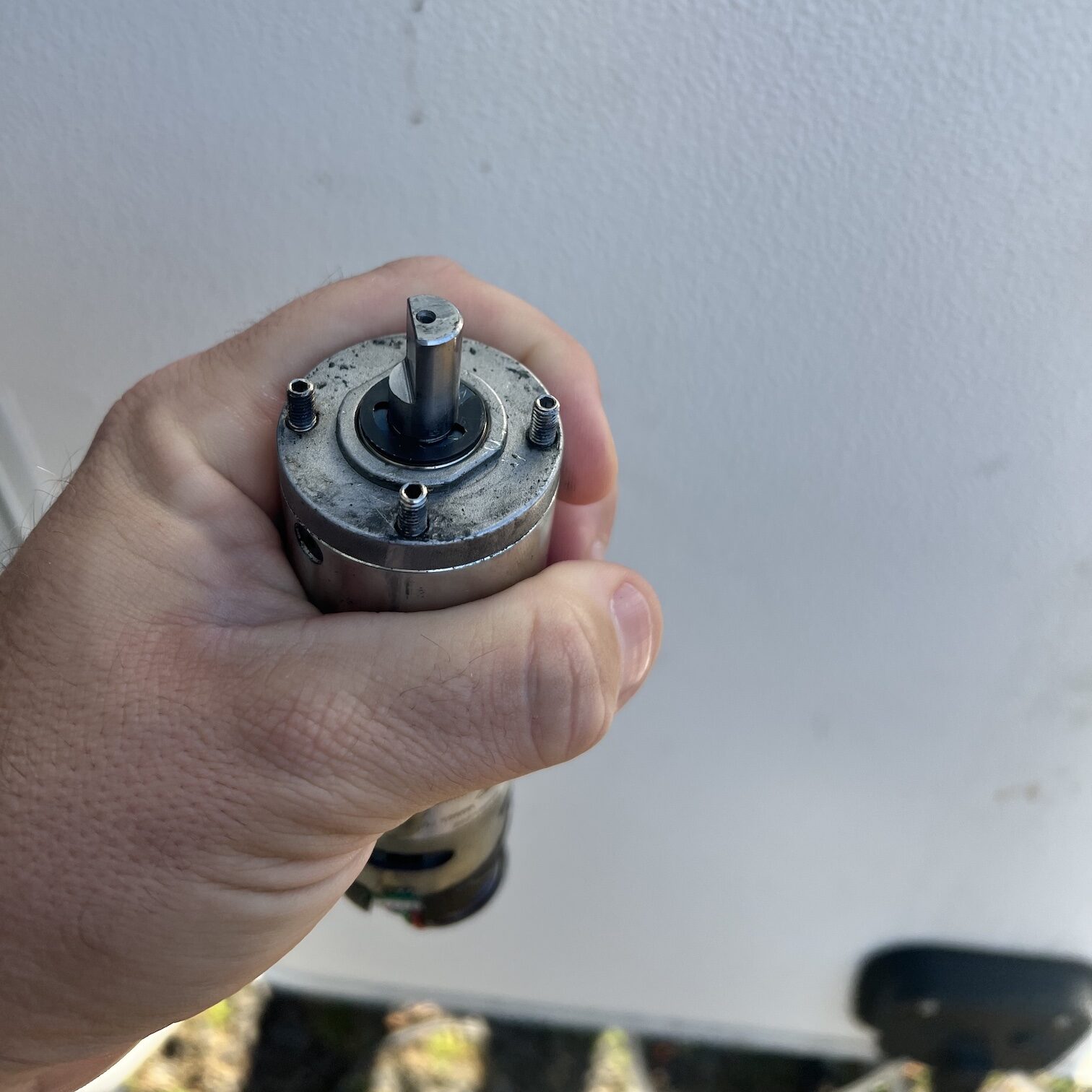
There’s a version of this mistake that almost every RV owner makes at some point: noticing something small and slightly off, deciding it can wait, and then watching it turn into something bigger and more expensive than it needed to be. We’re not immune to that pattern. There were maintenance items early on that we put off because they seemed minor, and by the time we addressed them, the fix was more involved than it would have been if we’d handled it right away.
The lesson that stuck with us is that small RV issues rarely stay small. Something that’s a quick fix today often becomes a more disruptive repair in a few months if it’s ignored. We’re much faster to address things now, even when they seem minor, because we’ve seen what happens when we don’t.
Worst Decision: Not Setting Work and School Boundaries Sooner
This connects back to the workspace lesson, but it’s really its own mistake. In the early days, we didn’t have clear boundaries around when work happened, when school happened, and when everyone was simply off the clock. Everything kind of bled together, which meant work would creep into family time and family interruptions would creep into work, and nobody was getting a clean version of either.
Once we got more deliberate about boundaries with specific hours for work, specific hours for school, and clear signals for when someone needed focus time, the whole rhythm of our days improved. It took longer than it should have to get there, mostly because we assumed flexibility meant we didn’t need structure. It turns out the opposite is true. The more flexible your environment is, the more structure you actually need to make it work.
What Five Years Actually Teaches You

Looking at this list together, the pattern is pretty clear. The best decisions were almost always the ones where we trusted our own read on what our family actually needed, even when it meant a harder choice or a bigger investment. The worst decisions were almost always the ones where we either rushed a choice or let a showroom impression substitute for thinking through daily reality.
That’s probably true of most big life decisions, not just RV ones. But five years of living in a space small enough that every choice gets tested daily has made that lesson impossible to ignore.
If you’re in the planning stages of your own full-time journey and want to talk through floor plans, layouts, or what actually matters once you’re living in it every day, that’s exactly the kind of conversation we like having.

Written By: Chris & Amanda Stocker (Type1Detour)
Full-time RVers traveling the country in our Alliance Valor.