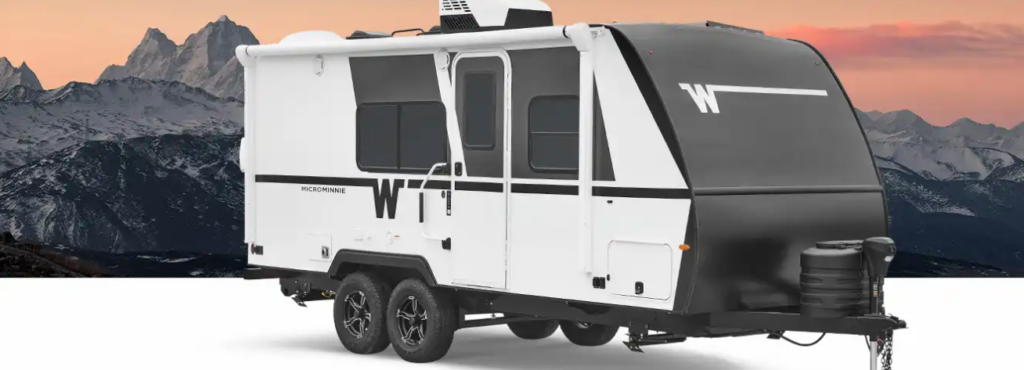
The 2026 Winnebago Micro Minnie 2200 Series takes a pragmatic approach to RV design. Instead of creating multiple completely different floorplans, Winnebago built one highly functional bunkhouse layout and then gave buyers three different front bedroom options to choose from.
That means whether you prefer:
- A fixed walkaround bed
- A Murphy bed
- Twin beds that convert into a larger sleeping area
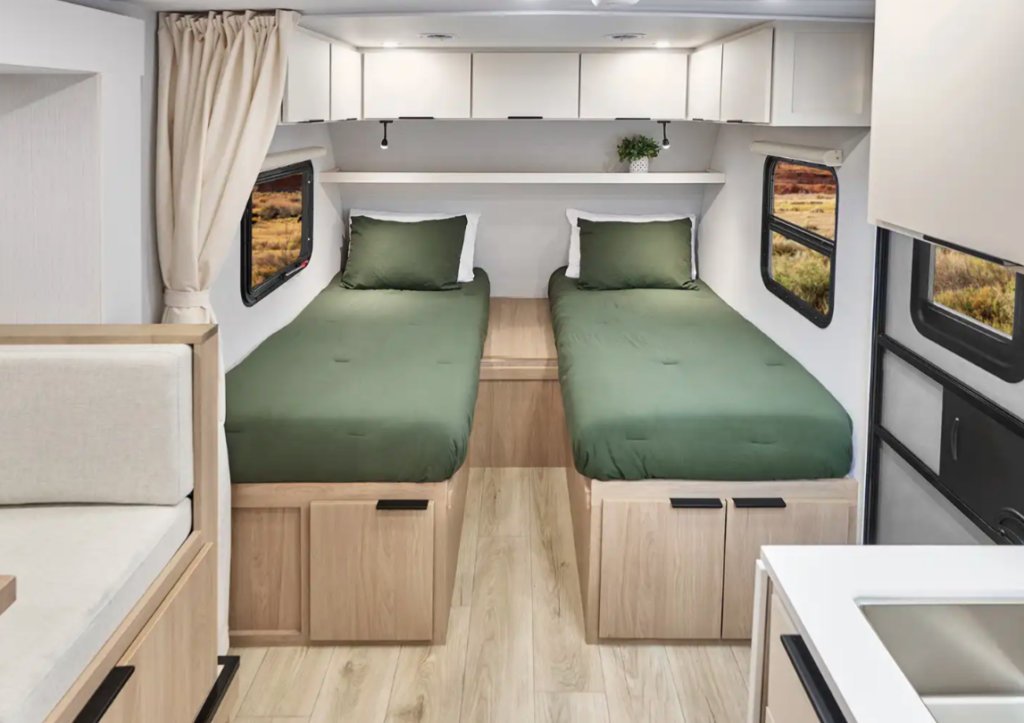
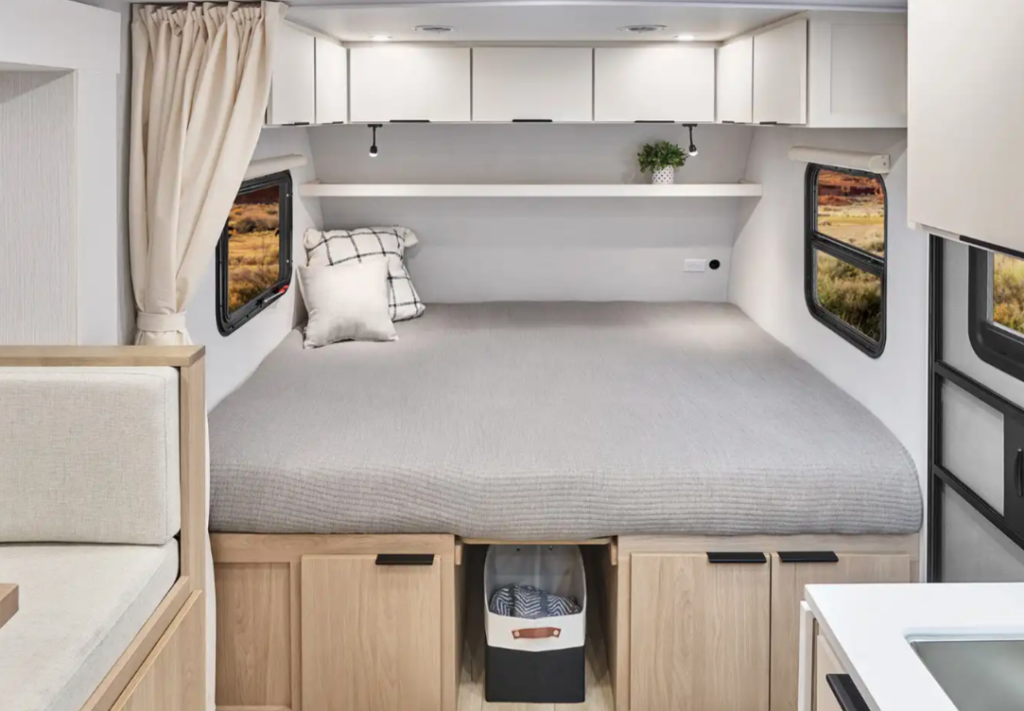
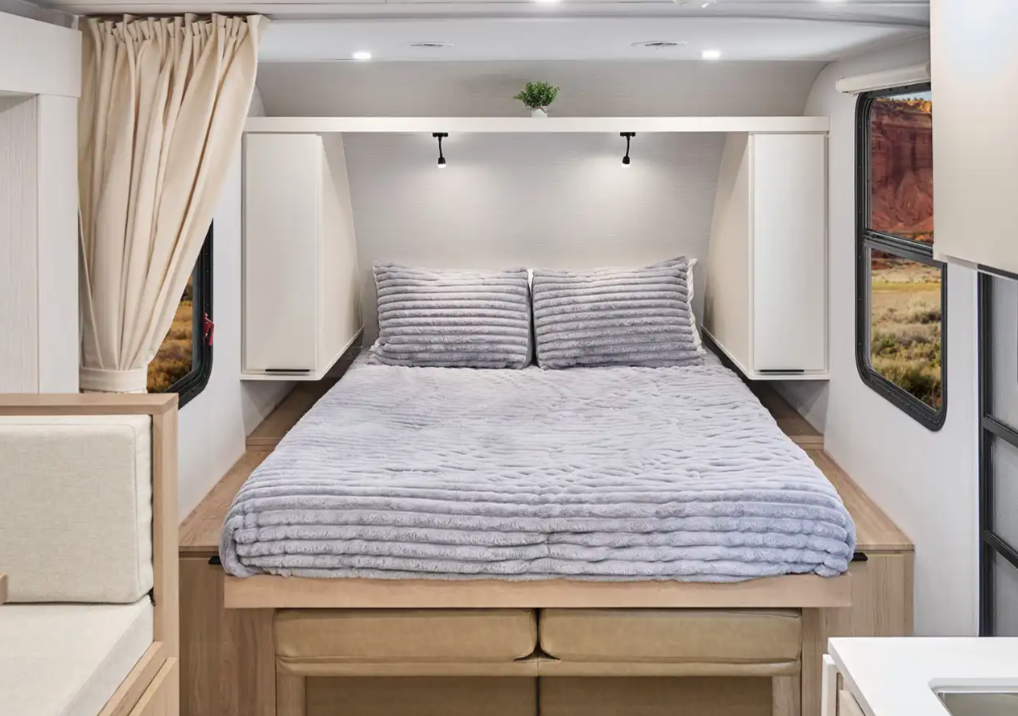
you can choose the setup that best fits your camping style without giving up the rest of the floorplan. Even better, buyers can also choose between a dinette or sofa slide configuration, creating even more flexibility.
In this review, we’ll compare the:
- Winnebago Micro Minnie 2200TBH
- Winnebago Micro Minnie 2200MBH
- Winnebago Micro Minnie 2200FBH
We’ll also explore construction, towing, storage, bunkhouse functionality, and which version makes the most sense for different types of RVers!
Table of Contents
What Makes the Micro Minnie 2200 Series Unique
Quick Specs & Key Features
2200TBH vs 2200MBH vs 2200FBH
Kitchen Features & Storage
Bunkhouse Design
Bathroom & Shower Space
Towing & Road Mode Access
Exterior Features & Construction
Pros and Cons
Who Each Floorplan is Best For
FAQs
What Makes the Micro Minnie 2200 Series Unique?
One of the most interesting things about the Micro Minnie 2200 lineup is that all three floorplans are essentially identical from the bathroom rearward. The only major difference is how Winnebago configures the front sleeping area.
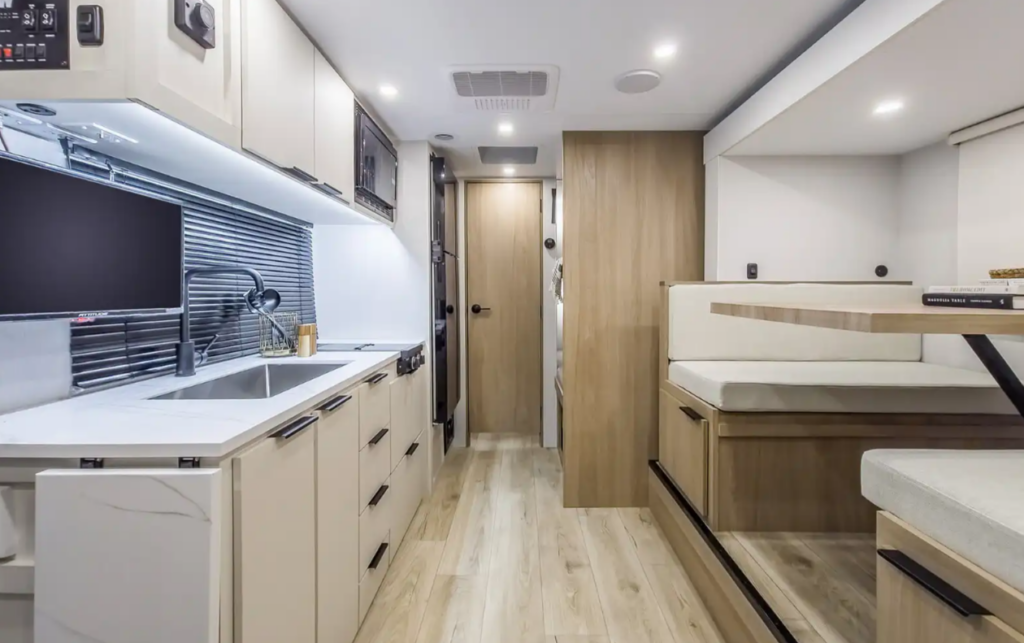
This allows buyers to prioritize:
- Bedroom access
- Storage
- Sleeping flexibility
- Daytime living space
without needing to completely change floorplans.
The result is a family-friendly bunkhouse camper that offers more personalization than many competitors in this size category.
Quick Specs & Key Features
Notable Features Across All Three Models
- 7-foot-wide body design
- Tandem axle torsion suspension
- 6,000-pound GVWR
- Heated and enclosed underbelly
- Holding tank heat pads
- 200W solar package standard
- Expandable solar capability up to 400W
- Norco Huck-bolted chassis
- Gas/electric water heater
- 350-pound rear receiver hitch
- Aluminum construction with dual Azdel wall layers
These features make the 2200 Series feel more premium than many travel trailers in the same size and weight class.
2200TBH vs 2200MBH vs 2200FBH
Choosing between these three models really comes down to how you want to sleep and use the front of the RV.
Winnebago Micro Minnie 2200FBH
The 2200FBH features a fixed front bed.
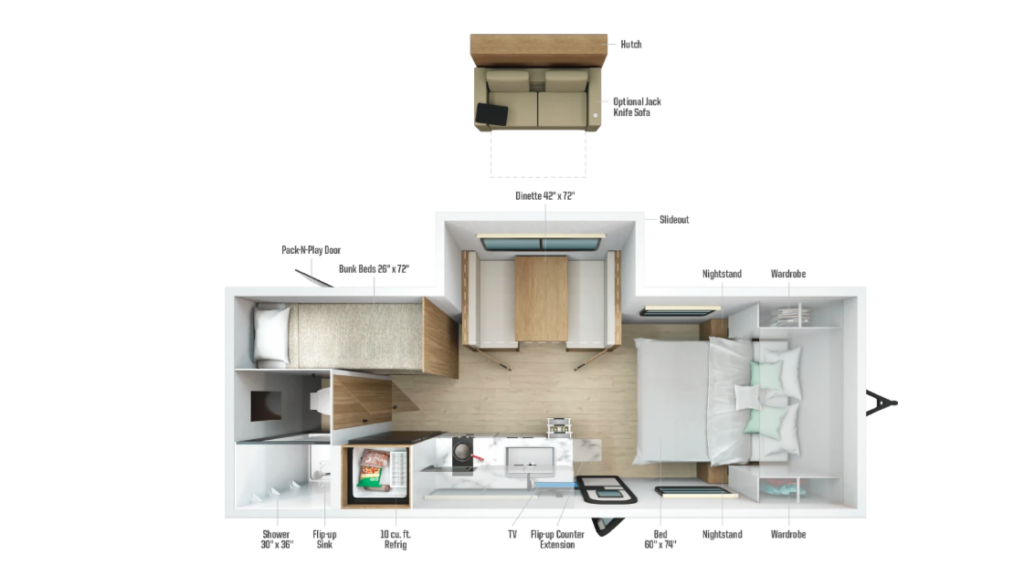
Best For:
- Couples
- Campers who dislike making beds
- Buyers wanting the most traditional layout
Advantages:
- Walkaround bed access
- Dedicated sleeping space
- Simpler setup
Winnebago Micro Minnie 2200MBH
The 2200MBH uses a Murphy bed system.
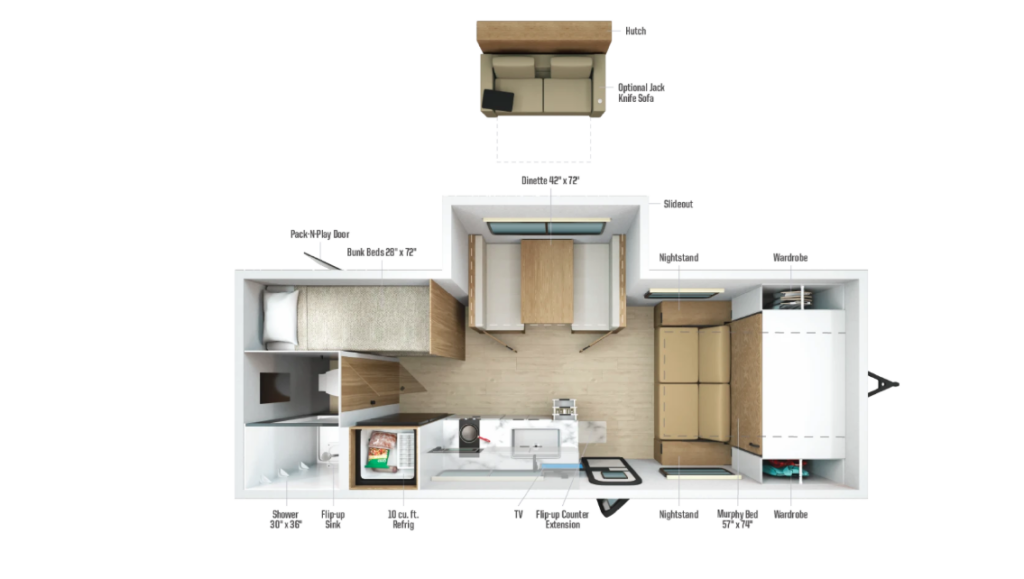
Best For:
- Couples wanting extra daytime seating
- Weekend travelers
- Buyers maximizing living space
Advantages:
- Additional sofa seating
- Flexible living area
- Retains front storage access
The Winnebago’s Murphy bed system is especially easy to operate thanks to its gas-strut-assisted design.
Winnebago Micro Minnie 2200TBH
The 2200TBH features twin beds that can convert into a larger sleeping surface.
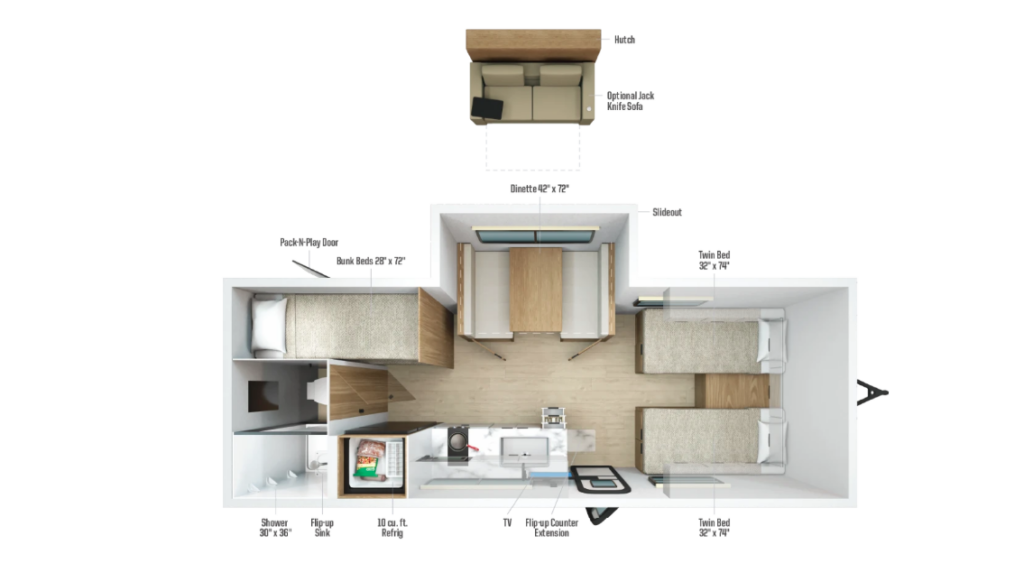
Best For:
- Friends traveling together
- Couples preferring separate sleeping areas
- Campers needing maximum storage
Advantages:
- Most under-bed storage
- Flexible sleeping arrangements
- Additional overhead cabinet storage
This configuration also includes a halo of storage around the front of the camper.
Kitchen Features & Storage
For a compact 7-foot-wide travel trailer, the kitchen is surprisingly functional.
Highlights include:
- Solid surface countertops
- Large soft-close drawers
- Removable utensil organizer
- 12V compressor refrigerator
- Convection microwave
- Air fryer functionality
- Countertop extension for additional prep space
One thing buyers should note, there is no propane oven available, even as an option. Instead, Winnebago uses the convection microwave to handle baking and cooking duties. Winnebago has significantly improved kitchen storage compared to earlier Micro Minnie generations.
Bunkhouse Design
If you’re considering the 2200 Series, chances are the bunks are one of the main reasons.
The double-over-double bunks offer:
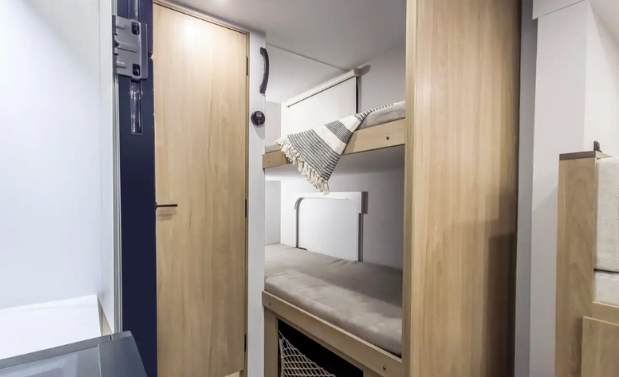
- 250-pound capacity ratings
- Individual power outlets
- Dedicated lighting
- Convertible cargo capability
The lower bunk can also be folded up to create additional gear storage for bikes, totes, or camping equipment.
This flexibility makes the 2200 Series appealing to both families and adventure-focused campers.
Bathroom & Shower Space
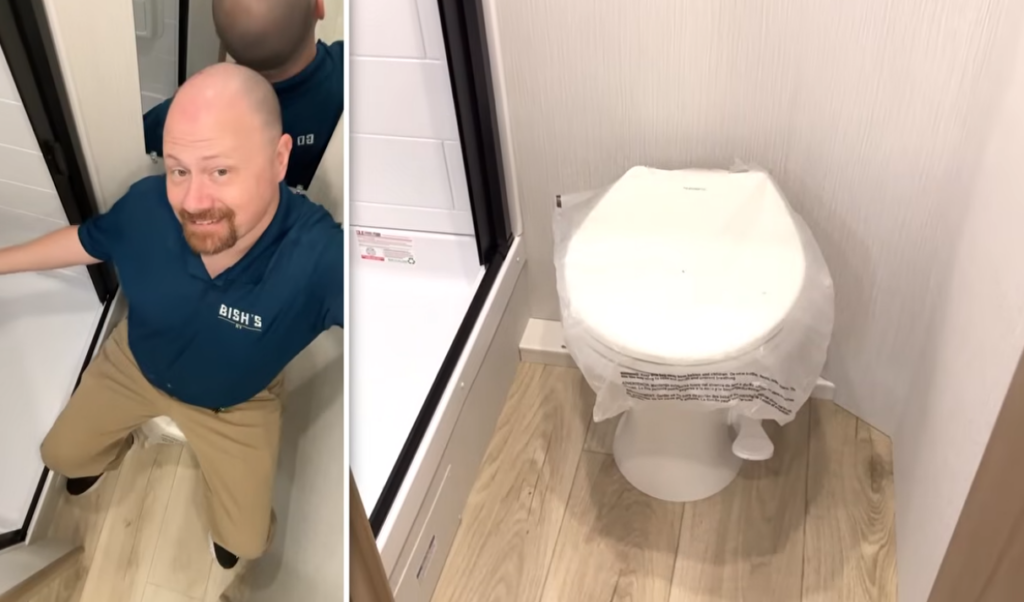
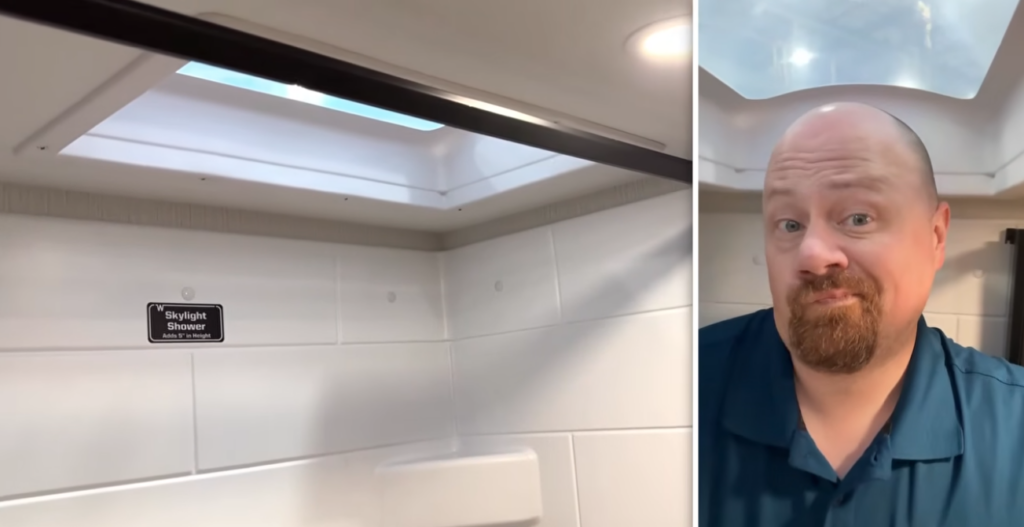
The bathroom is compact, which isn’t surprising in a 7-foot-wide camper. However, Winnebago makes smart and functional use of the available space!
Features include:
- Wet bath configuration
- Folding sink system
- Dedicated shower enclosure
- Storage shelves
One clever design element is the folding sink located inside the shower area. Unlike many fold-down sinks, this one keeps water contained within the shower enclosure, helping minimize splashing and moisture concerns.
Taller RVers should note that interior height is approximately 6’4″, which may feel restrictive in the shower.
Towing & Road Mode Access
One of the biggest advantages of the 2200 Series is its towability.
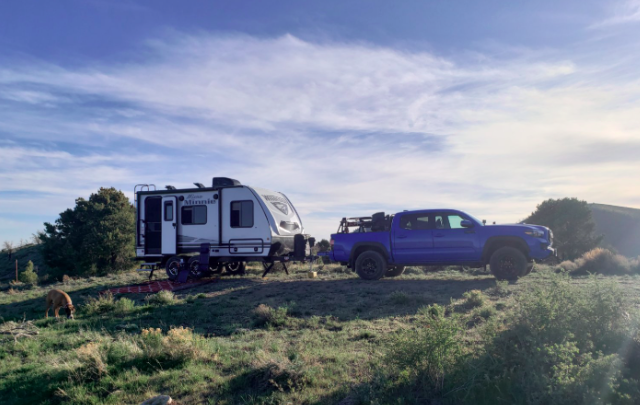
The combination of:
- 7-foot-wide body
- Tandem axles
- Torsion suspension
- 6,000-pound GVWR
helps create a camper that’s easier to tow than many full-width competitors.
It’s important to note that the narrower body:
- Reduces wind resistance
- Improves visibility around the trailer
- Makes lane positioning easier
Another major benefit, all three floorplans maintain excellent travel access. With the slide closed, you can still reach:
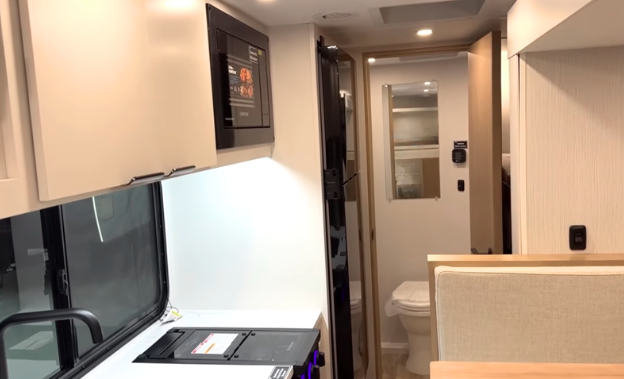
- The bathroom
- The kitchen
- The bunks
- The main sleeping area
This is a huge advantage for roadside stops and overnight travel.
Exterior Features & Construction
Winnebago packs a surprising amount of premium equipment into these smaller campers.
Construction Features
- Dual Azdel wall construction
- Aluminum framing
- Fiberglass exterior
- Norco Huck-bolted chassis
- Slim Rack slide system
Exterior Features
- Massive power awning
- Front pass-through storage
- Power stabilizer jacks
- Backup camera prep
- Goodyear Wrangler tires
- Gas grill quick-connect
- 350-pound rear hitch receiver
The rear receiver is particularly noteworthy, as many competing travel trailers offer lower-rated rear hitches or none at all.
Pros and Cons
Pros
- Three bedroom configurations
- Excellent towing characteristics
- Strong storage solutions
- Heated enclosed underbelly
- Great road mode access
- Premium construction materials
Considerations
- Lower interior height
- No propane oven option
- Smaller bathroom
- Premium pricing compared to some competitors
Who Each Floorplan Is Best For
Choose the 2200FBH If:
You want a traditional fixed-bed experience.
Choose the 2200MBH If:
You value daytime living space and flexibility.
Choose the 2200TBH If:
Storage and sleeping versatility are your priorities.
2200TBH vs 2200MBH vs 2200FBH Comparison
While all three Micro Minnie 2200 floorplans share the same core layout, construction, bunkhouse, bathroom, kitchen, and towing characteristics, the front bedroom configuration changes how each model feels and functions day-to-day.
| Feature | 2200TBH | 2200MBH | 2200FBH |
|---|---|---|---|
| Front Bed Type | Twin Beds (Convertible) | Murphy Bed | Fixed Front Bed |
| Sleeping Flexibility | ★★★★★ | ★★★★☆ | ★★★☆☆ |
| Living Space During Day | ★★★☆☆ | ★★★★★ | ★★★☆☆ |
| Under-Bed Storage | ★★★★★ | ★★★★☆ | ★★★★☆ |
| Dedicated Bedroom Feel | ★★★☆☆ | ★★★☆☆ | ★★★★★ |
| Front Wardrobe Closets | No | Yes | Yes |
| Overhead Storage | Highest | Moderate | Moderate |
| Ease of Daily Setup | ★★★★☆ | ★★★☆☆ | ★★★★★ |
| Front Window Size | Smaller | Larger | Larger |
| Best For | Flexible Sleeping & Storage | Couples Wanting More Living Space | Traditional Campers |
Which Micro Minnie 2200 Should You Choose?
The best part about the Winnebago Micro Minnie 2200 Series is that there really isn’t a wrong answer.
All three floorplans offer the same core strengths:
- Easy towing
- Premium construction
- Strong storage
- Family-friendly bunkhouse functionality
- Excellent travel-day usability
The decision ultimately comes down to how you prefer to sleep and live inside the camper.
Whether you choose the traditional front bed, the space-saving Murphy bed, or the versatile twin-bed setup, you’re getting one of the more thoughtfully designed lightweight bunkhouse travel trailers currently available.
And in a market where many RVs feel like minor variations of one another, having meaningful choices within the same floorplan is a camper-first approach.

Written By: Brooke Erickson
Some say I am a writer, I like to say I am a storyteller