One of the questions we get most often from people considering full-time RV life is some version of: how do you decide where to go? It sounds simple on the surface. In practice, it’s one of the more nuanced parts of this lifestyle, a moving target that involves weather, campground availability, school schedules, work commitments, medical considerations, and the occasional moment where we just change everything on a whim because we can.
We’ve been doing this for five years. Our planning process has evolved significantly from how we started, and the biggest evolution has been learning to hold plans loosely.
This is how we actually do it now, and why the version we started with didn’t serve us as well as we thought it would.
Start With the Destination, Not the Route
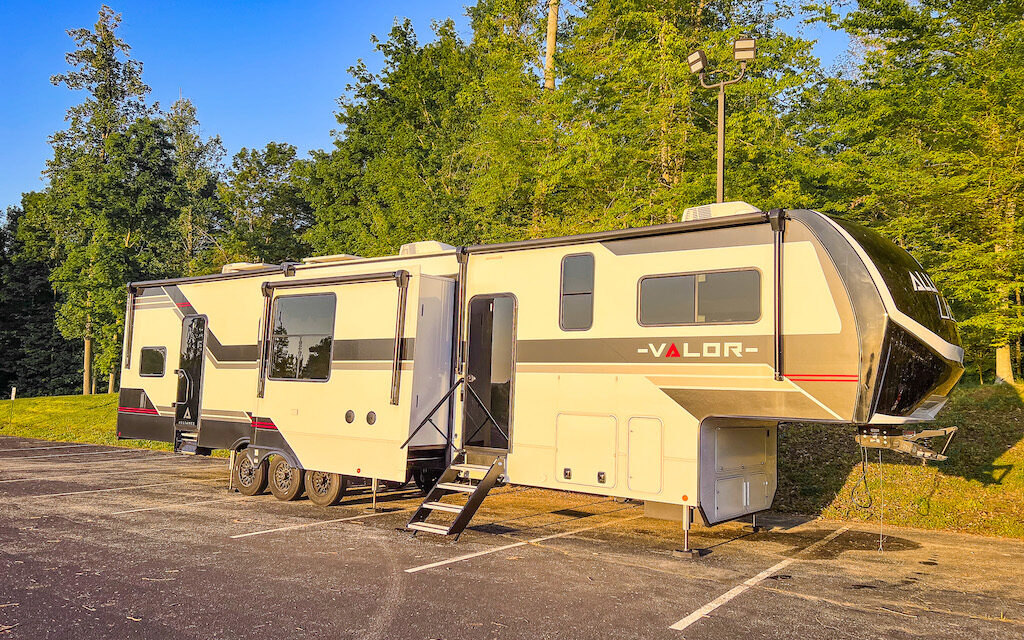
Most people think about route planning the wrong way. They start at point A, draw a line to point B, and then figure out what’s along that line. We do the opposite.
We start by deciding on an area we actually want to spend time in. Not a campground, not a specific city, a region. Maybe it’s the Pacific Northwest because we’ve been wanting to get back up there.
Maybe it’s a stretch of the Gulf Coast because it’s winter and we’re done with the cold.
The destination comes first, and it’s usually driven by a combination of what we’ve been wanting to see and what makes sense seasonally.
Once we know where we’re generally headed, we open RV Trip Wizard through RV Life and start looking at campgrounds in and around that area. We’re not booking yet, we’re getting a feel for what’s available, what sites work for our rig size, and what the options look like in terms of hookups, amenities, and location relative to the things we want to do.
Then we work backwards. The main destination is the anchor. Everything in the middle gets planned around it, not the other way around. What campgrounds make sense as stopping points along the way? What areas are worth slowing down for versus what stretches are just miles to cover? Building the route from the destination backward gives the trip a shape that feels intentional rather than arbitrary.
How We Research What to Do Along the Way
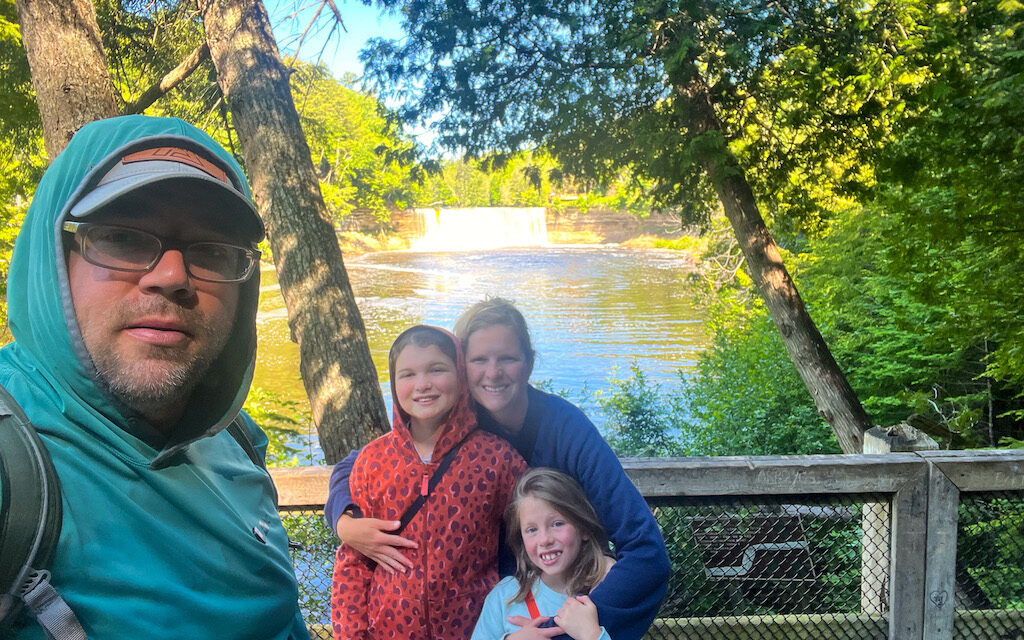
Once the general route is taking shape, we start layering in the actual experiences. This is where Google Maps and Facebook become our most used tools, which surprises people who expect a more sophisticated answer.
Google Maps is genuinely underrated for this. Search an area, filter by parks, attractions, or points of interest, and you get a fast visual picture of what’s worth stopping for versus what you’re driving past.
It’s not always the prettiest planning tool but it’s fast, it’s accurate, and it works for the kind of loose, iterative planning we actually do.
Facebook is where we get the real intel. RV groups, state-specific travel groups, full-timer communities, there is an enormous amount of first-person knowledge in those spaces from people who have actually been where you’re going.
“Has anyone been to X recently?” gets you more useful information in an hour than most travel blogs give you in ten articles. The recommendations are specific, the warnings are real, and the insider tips are the kind that don’t make it onto any official tourism page.
Between those two tools and RV Trip Wizard for the campground side of things, we can build a solid working plan for a multi-week stretch in a few hours. It’s not a detailed itinerary. It’s a framework. And that distinction matters a lot.
The Constraints That Shape Everything
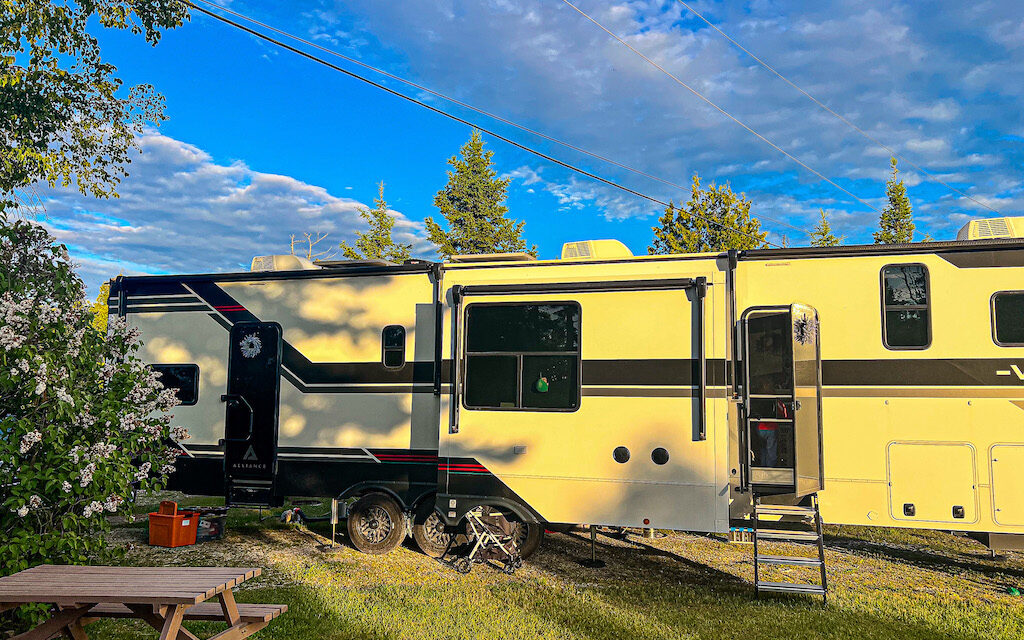
Every family has constraints that shape their route planning in ways that don’t always show up in the lifestyle content. Work schedules, school calendars, family commitments back home. Ours are real and we plan around them openly.
Chris and our oldest daughter manage Type 1 Diabetes on the road, which adds a layer to our planning that most people don’t have to think about. One of the practical realities of that is making sure we’re never too far from what we need medically, and part of that means returning to our home state of Pennsylvania roughly every six months.
That six-month rhythm actually turns out to be a useful planning structure. It gives our year a natural shape, two loops roughly, with Pennsylvania as the anchor point we return to between them. Within each loop, the route is flexible. But knowing we’re working within a general arc makes it easier to figure out what’s realistic versus what’s wishful thinking on a map.
The school calendar is the other main constraint. Our kids do cyber school, which gives us more flexibility than a traditional school schedule would. But there are still rhythms to the school year that influence when we move and when we plant for a while. We try not to schedule travel days when we know there is testing or certain virtual field trips that our kids want to attend.
Follow Us on Instagram!
Why We Stopped Over-Planning
Early on, we planned too much. Specific campgrounds booked months out, a defined schedule for every stop, a route that didn’t have a lot of give in it. It felt organized. In practice, it felt like a different kind of obligation, one that followed us on the road and made spontaneity feel like a disruption rather than one of the best parts of this life.
The tighter the plan, the more it costs you when something changes. And something always changes. Weather rolls in and the campground you booked isn’t where you want to be for the next week. You arrive somewhere and it’s better than expected and you want to stay longer. You hear about something an hour off your route that sounds incredible and your schedule doesn’t have room for it.
Every one of those moments felt like a problem when we were over-planned. Now they just feel like options.
One of the things we love most about fulltime RV living is the ability to change our plans on a dime. To wake up somewhere and decide to stay another week because it’s that good.
To take a left instead of a right because someone in a Facebook group said the left was worth it. That kind of freedom is the whole point for us, and it only exists if you haven’t pre-committed every night of the next month.
What we’ve landed on is a framework rather than a plan. We know the general region we’re headed toward. We have a few campgrounds loosely in mind as anchor points. We have a sense of what we want to see and do. And then we leave room, real room, not theoretical room, for the trip to take the shape it actually wants to take.

The Detours Are the Point
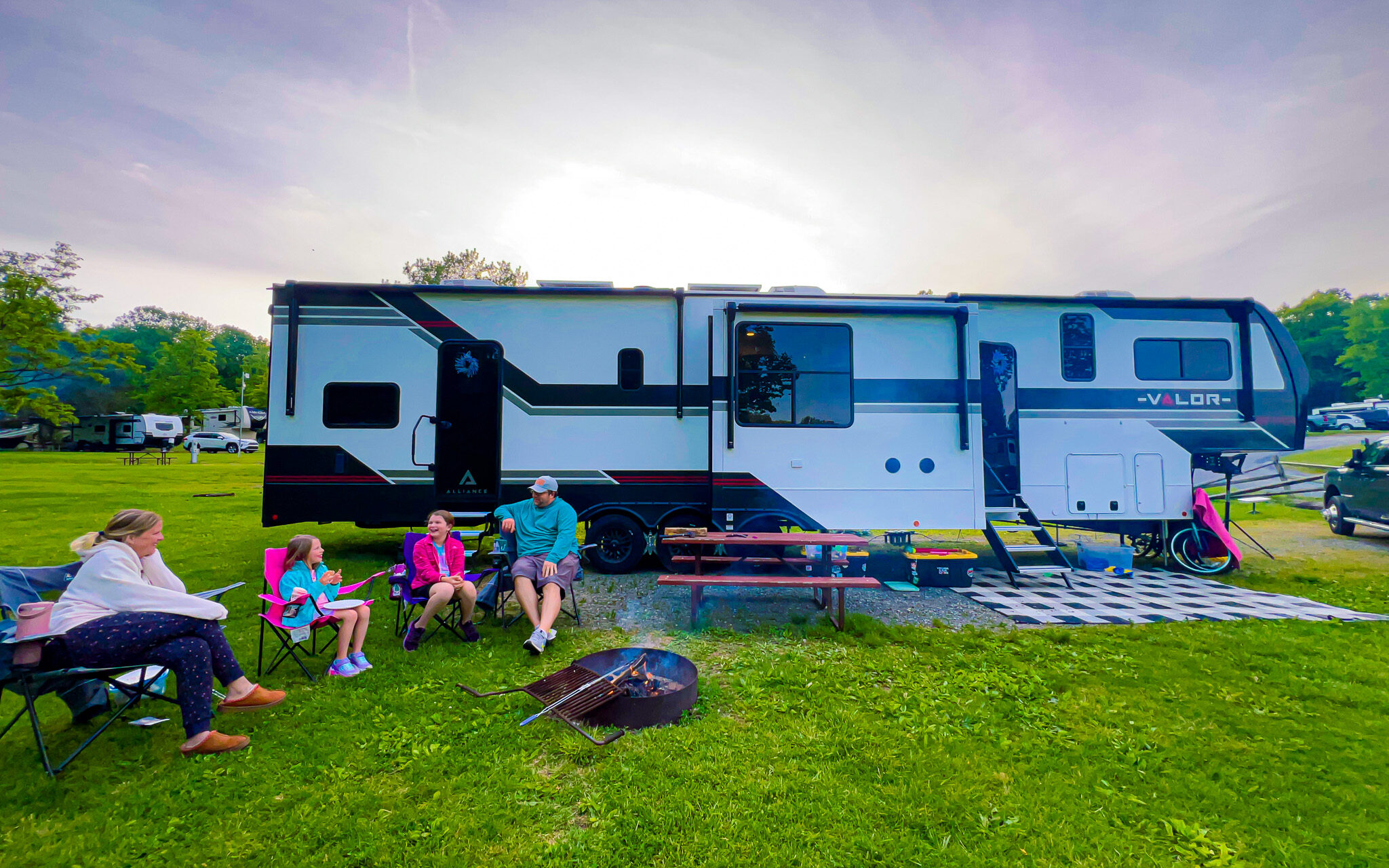
Five years in, the moments we talk about most are almost never the ones that were on the original plan. They’re the side trips, the extra days, the places we ended up because we had the flexibility to go there. The campground we stayed at for two days and ended up staying for two weeks because it was exactly what we needed. The town we’d never heard of that turned out to be one of our favorite stops. The change of direction that made a stretch of travel memorable instead of just miles covered.
None of that happens when you’re locked into a detailed itinerary. It only happens when the plan is loose enough to bend.
The families who seem to struggle most with route planning are the ones trying to optimize every day of the trip from a spreadsheet before they ever leave. The ones who seem to enjoy it most are the ones who know where they’re roughly headed, have a few things they definitely want to do, and treat everything else as a conversation they’ll have with the road when they get there.
A Practical Framework for Planning Your Own Routes
If you’re in the planning stages of your first long trip or trying to build a more sustainable system for ongoing travel, here’s what our process actually looks like waterd down:
- Pick a region, not a route.
- Start with where you want to spend time, not how you’re going to get there. The route emerges from the destination, not the other way around.
- Use RV Trip Wizard to map campgrounds around your anchor destinations. Look at site sizes, hookup options, and proximity to what you want to do. Book the anchor campgrounds if you need to, but leave the in-between stops flexible where you can.
- Layer in activities using Google Maps and Facebook groups. Get the local knowledge from people who’ve actually been there recently. Tourism websites tell you what’s there. Fellow RVers tell you what’s actually worth your time.
- Build your real constraints into the framework first. Healthcare needs, work commitments, family obligations, school schedules, whatever your version of our Pennsylvania rhythm is, make sure the plan accounts for it before you start filling in the fun stuff.
- Leave real room to change your mind. Not maybe being flexible, actual real space. Don’t book so far out that a change of plans costs you money or creates stress. The best thing that can happen on a trip is that you want to stay somewhere longer than planned. Make sure your plan allows for that.
- Slow down more than you think you need to. We wrote about this elsewhere, but moving too fast is one of the most common mistakes new full-timers make. A few days somewhere is enough time to unpack and repack. It’s rarely enough time to actually experience a place. When in doubt, stay longer.
The Best Plan Is the One You’re Willing to Change
Five years of planning routes has taught us that the goal isn’t a perfect itinerary. It’s a good enough framework that lets the trip be what it actually wants to be. The places you didn’t know about before you got there. The extra days that turned into the best days. The decision made on a Tuesday morning to go somewhere completely different because you could.
That’s the version of full-time RV life worth building toward. Not the one that’s perfectly optimized on paper, but the one that’s flexible enough to be genuinely lived.
If you’re thinking about making the move to full-time and want more information, download our free guide, 50 Things to Consider Before Going Full-Time!

Written By: Chris & Amanda Stocker (Type1Detour)
Full-time RVers traveling the country in our Alliance Valor.