There’s a specific feeling that shows up right before most RV upgrades. It’s not dramatic. Nobody wakes up one morning and announces that the rig has to go. It’s quieter than that, a low-grade friction that builds over time. Something that used to work fine starts to feel like a compromise. A layout that seemed perfect when you bought it starts to feel like it was designed for a different version of your life.
We know that feeling because we’ve been there. After 4 years of full-time RV life, we just knew it was time to upgrade, and the decision wasn’t triggered by a single dramatic moment. It was a pattern. Small things stacking up until the picture became clear.
The problem is that most RV owners don’t have a framework for knowing when that pattern means it’s genuinely time to upgrade versus when it means they just need to adjust. Those are two very different situations, and making the wrong call in either direction is expensive. So this post is about how to tell the difference.
Whether you’re a weekend camper who’s been in the same rig for a few years or a full-timer who lives in their RV every single day, the signs apply. The scale is different. The stakes are different. But the pattern is remarkably similar.
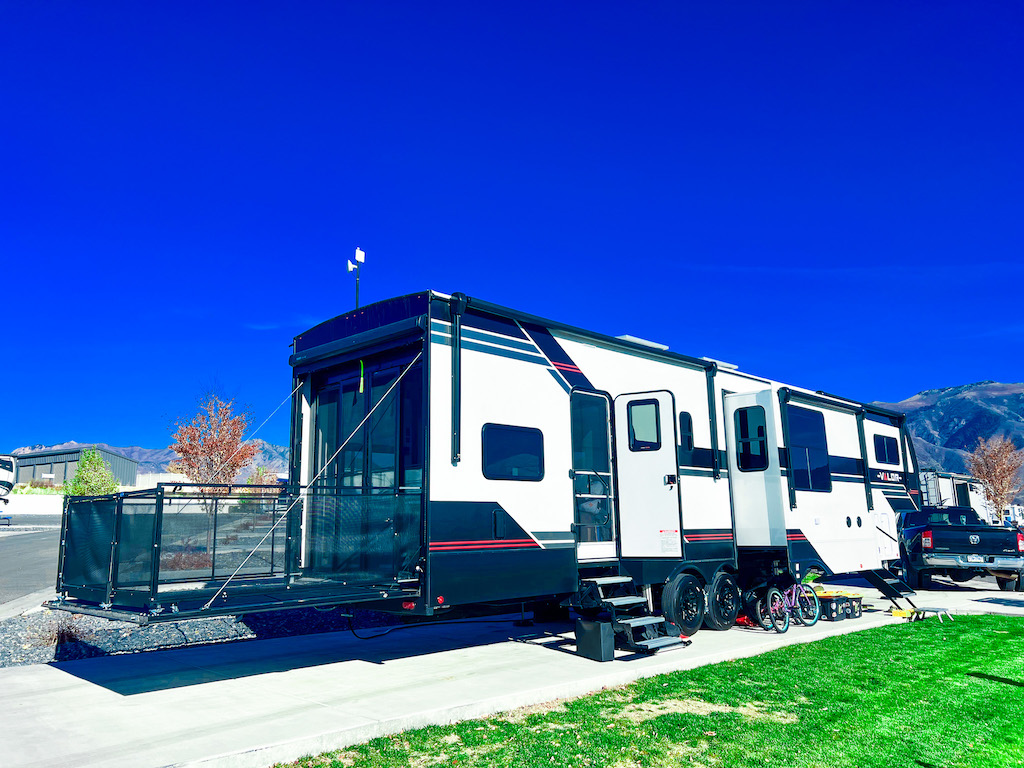
First: The Difference Between Outgrowing and Adapting
Before we get into the signs, it’s worth drawing a clear line between two things that can look identical from the outside.
Adapting is when your RV has a limitation and you find a workable solution. Maybe your storage isn’t perfect, so you’ve gotten creative with organization. Maybe the layout isn’t exactly what you’d design from scratch, but it functions. The workaround exists and it works. You’ve adapted to your rig and it’s serving you reasonably well.
Outgrowing is when the workarounds stop working. When the limitation isn’t a minor inconvenience anymore, it’s a daily friction that affects how you use the RV, how much you enjoy it, and increasingly, whether you’re making decisions around the RV’s limitations instead of your own preferences. That’s a fundamentally different situation.
The question to ask yourself isn’t “is this RV perfect?” No RV is perfect. The question is: “Are we working around this RV, or is this RV working for us?” When the answer shifts from the second to the first, you’re probably past adapting and into outgrowing.
Sign #1: Your Camping Style Has Changed and Your RV Hasn’t
This is one of the most common and most overlooked signs, because it happens gradually. You bought your RV for one version of how you camp. Over time, that version changed. But the RV stayed the same.
Maybe you bought a smaller, lighter rig because you were mostly doing short weekend trips and didn’t want to deal with a big setup. But now you’re doing week-long or month-long stays, and the things you sacrificed for convenience, like tank capacity, storage, living space, are starting to limit what those trips look like.
Or the reverse: you bought something large and well-equipped because you had big plans, but your actual camping life has turned out to be more spontaneous and less structured than you expected, and now you’re towing more rig than you need or want.
For us, the shift toward more boondocking was one of the clearest signals. Our fifth wheel worked well for campground life with hookups. But as we started wanting to spend more time off the beaten path on state land, in dispersed camping areas, in places without electrical or water connections, we kept running up against what our rig could and couldn’t handle. Smaller tanks. Limited battery capacity. No generator prep that made sense for where we were going. The RV was built for a style of camping we were using less and less.
Ask yourself honestly: does the way I camp today look like the way I camped when I bought this RV? If the answer is no, it’s worth asking whether your rig has kept up with that evolution.
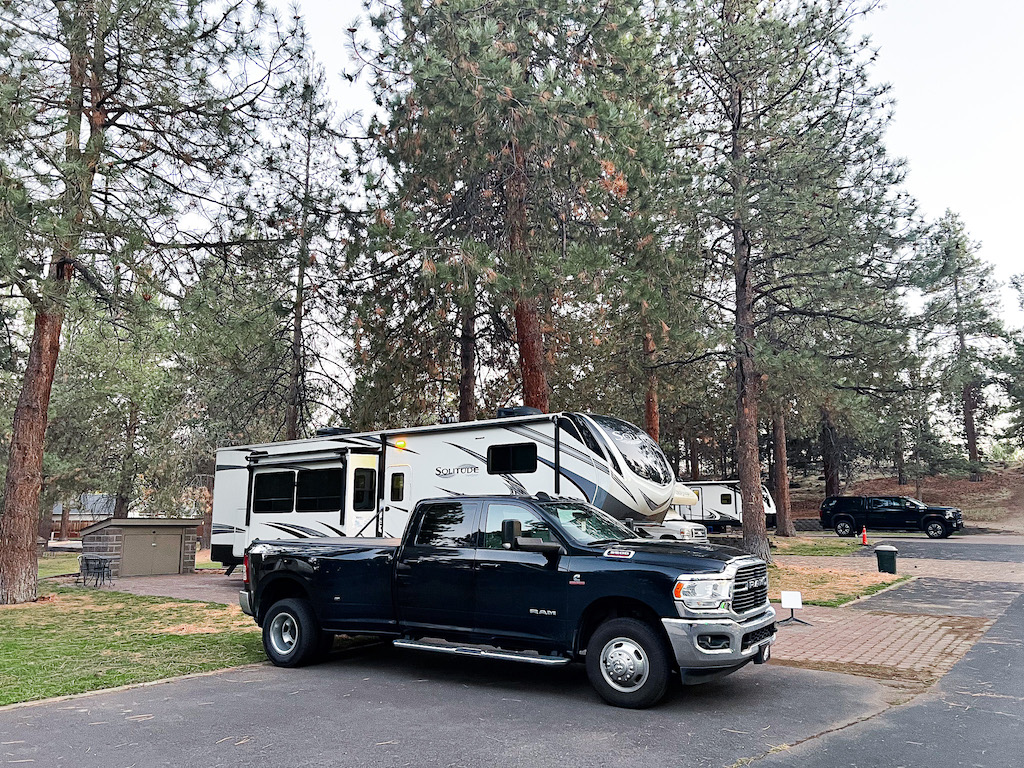
Sign #2: Your Family Has Grown Out Of the Space
RVs are bought at a specific moment in a family’s life. Kids are a certain age, routines look a certain way, and the layout makes sense for that version of the family. But families change. Kids grow. Needs shift. And a floor plan that worked beautifully three years ago can start to feel like a puzzle with pieces that no longer fit.
For full-time families especially, this is a real pressure point. A bunkhouse that was perfect for young kids starts to feel cramped when those kids are older and need actual privacy and dedicated space for schoolwork, hobbies, and just being a person with their own life inside the rig. The bunk that used to feel like an adventure starts to feel like a limitation.
We experienced this directly. Our kids’ needs on the road changed as they grew. The oldest needed a real workspace for school, not just a corner of a shared space, but somewhere dedicated she could settle into and focus. As Chris’ remote work demands changed, the need for a proper office space became more important too. The toy hauler’s garage space solved both of those problems in a way the fifth wheel simply couldn’t.
This sign isn’t just about physical space either. It’s about functional space. A rig can have plenty of square footage but still fail to support how the people inside it actually need to live. Think about what each person in your family needs to do day to day – work, school, sleep, downtime, storage for their things, and ask whether the current layout genuinely supports that or just tolerates it.
Sign #3: You’re Making Destination Decisions Based on Your RV’s Limitations
This one is subtle but it’s one of the most telling signs that your rig has started running your life instead of supporting it.
It shows up in small ways at first. You don’t book a particular campground because the site length won’t work. You avoid a stretch of road because you don’t trust how the rig handles it loaded up. You cut a trip short because the tank capacity means you’d have to dump more often than is practical for where you’re going. You skip places you actually want to go because the setup doesn’t support getting there.
None of those individual decisions feels like a big deal. But zoom out and look at the pattern. If your itinerary is consistently shaped more by what your RV can’t do than by where you want to go, that’s the rig limiting your life, not the other way around.
The right rig should expand your options, not narrow them. When we moved to the toy hauler, one of the most immediate differences was how much more freely we could plan. Off-grid locations that weren’t realistic before became accessible. Longer stretches between hookups became manageable. The decisions about where to go became less about what the RV could handle and more about where we actually wanted to be.
Think about the last several trips you planned or considered. How many decisions were influenced by what your current rig can or can’t do? If the answer is more than a few, that’s worth paying attention to.
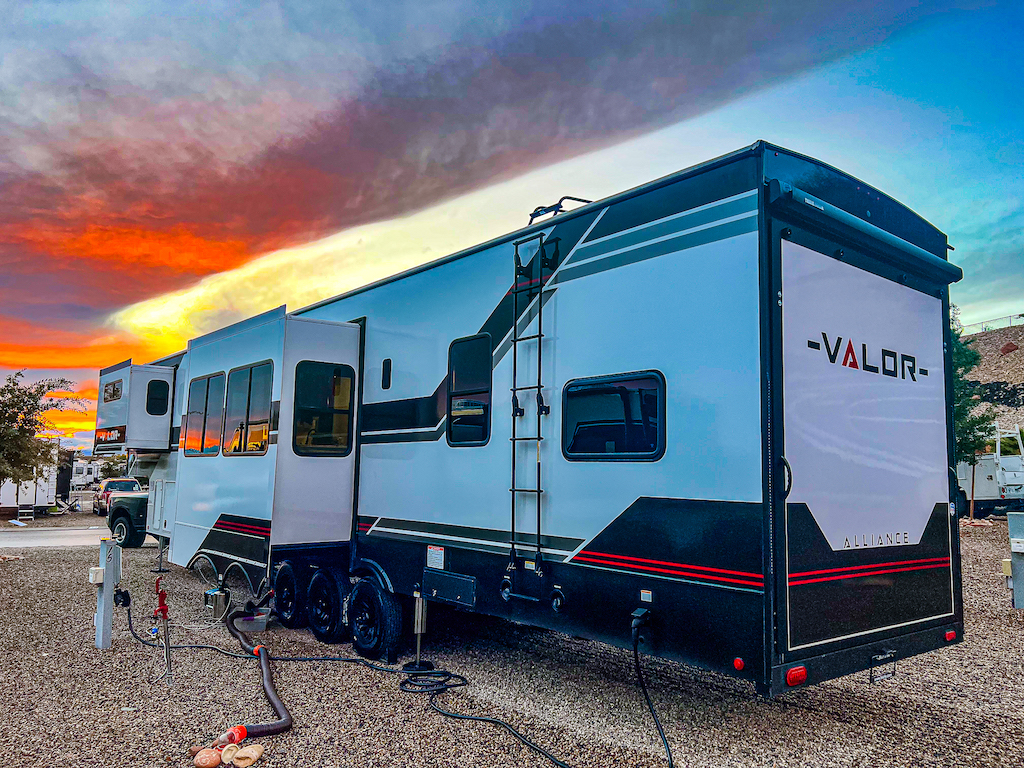
Sign #4: The Issues Are Stacking Up Faster Than You Can Address Them
Every RV has issues. That’s part of the deal and anyone who tells you otherwise hasn’t owned one long enough. The question isn’t whether things go wrong, it’s whether the rate and cost of what’s going wrong has reached a point where it’s changing the math on keeping the rig versus moving on.
There’s a real tipping point here that’s different for everyone, but the general shape of it is this: when you’re spending significant time and money keeping a rig road-worthy, and the things breaking are fundamental systems rather than minor inconveniences, the case for upgrading gets stronger. Especially if the rig is older and the repairs are starting to be reactive rather than preventive.
For full-timers, this calculation is more acute because you don’t have the option of just leaving the RV in the driveway while you figure it out. It’s your home. Issues that a weekend camper might be able to tolerate for a season or two become immediate quality-of-life problems when the RV is where you live every day.
This was part of what led to our own upgrade decision. We were already using Bish’s RV Fix to work through several issues with our existing rig while we were on the road. One issue became several. And at some point the honest conversation shifted from “how do we fix this” to “how much are we going to keep putting into a rig that keeps asking for more?” That’s a different conversation, and it’s the right one to have.
Keep a rough mental, or actual, tally of what you’ve spent on repairs and maintenance over the past 12 months. Compare that to what a payment on a newer, better-suited rig would look like. The math sometimes surprises people.
Follow Us on Instagram!
Sign #5: You’ve Changed What “Home” Means to You
This one applies most directly to full-timers, but weekend campers who are considering making the leap will recognize it too.
When you first got into RV life, your standard of comfort was probably calibrated to what you were leaving. A house or apartment with certain features, a certain amount of space, a certain way of living. The RV was the adventure version and you expected some trade-offs and you were excited to make them.
But after you’ve been doing this for a while, something shifts. The RV stops being “camp mode” and starts being just… home. And home has different requirements than camp mode. You stop accepting trade-offs that felt reasonable when it was temporary and start wanting things that actually work, a mattress that doesn’t feel like camping, a kitchen that functions like a kitchen, enough storage that you’re not constantly solving a puzzle just to find what you need.
That evolution is healthy. It’s what living this life actually looks like after the novelty settles. And it often means that the rig you bought to get started, which was fine for camp mode, isn’t the right rig for the version of this life you’re actually building.
If you find yourself increasingly aware of what your RV lacks compared to what you’d want in a real living situation, that’s not ingratitude. That’s clarity. It’s your needs becoming more defined as you understand the life better. And defined needs are exactly what good RV buying decisions are built on.
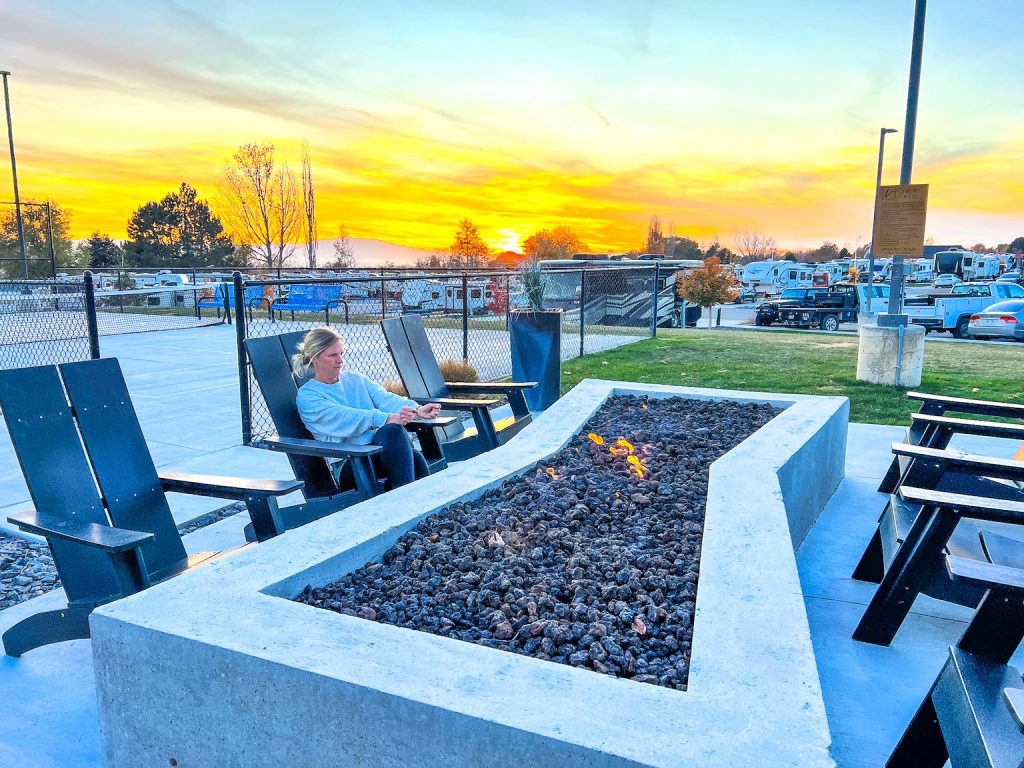
Sign #6: The Weekend Version and the Full-Time Version Are Telling You Different Things
For weekend campers specifically, there’s a version of this conversation that’s worth having separately.
Weekend use and full-time use put completely different demands on an RV. A rig that works perfectly for 48-72 hour trips, where you’re mostly outside anyway, sleeping and basic meals are the main events, and you’re back home before anything becomes a real inconvenience, can feel completely inadequate on a two-week trip.
Extended use exposes everything your rig doesn’t do well. Tank capacity that seemed fine for a weekend hits its limit by day four. Storage that was adequate for a long weekend falls short when you’re packing for two weeks. The things you tolerated stop being tolerable when you can’t just drive home and reset.
If you’re a weekend camper who has started dreaming about longer trips, or who has taken a longer trip and found the rig struggling, that gap is information. It’s not necessarily a sign you need to go full-time, but it might be a sign you need more rig than you currently have for the direction your camping life is heading.
When the Answer Is “Not Yet”
We want to be honest about this too: not every feeling of friction means it’s time to upgrade. Sometimes the right answer really is to adapt, to adjust, or to wait.
If you’re in your first year of RV ownership, give yourself time. There’s a learning curve to figuring out how you actually use your rig versus how you thought you’d use it. Upgrading too soon before you really understand your own camping style often means upgrading to the wrong thing. The most common version of this is buying something bigger when what you actually needed was something better configured.
If the friction you’re feeling is about organization or setup rather than the fundamental layout and capability of the rig, that’s usually an adapting situation, not an outgrowing one. Storage solutions, equipment upgrades, and routine adjustments can resolve a lot of what feels like an RV problem but is really just a systems problem.
And if the financial timing genuinely isn’t right, that matters. Upgrading to a rig that creates real financial stress isn’t the answer. The goal is a setup that supports your life and that includes the financial side of it.
When the Answer Is “It’s Time”
If you’ve read through these signs and several of them are landing, like if you’re making destination decisions around your rig’s limitations, if your family has grown past what the layout can support, if the issues are stacking up and the repairs are starting to cost real money, if the way you camp has evolved significantly from when you bought your current rig, then the conversation about upgrading is worth having seriously.
The mistake most people make at this stage is waiting too long. Not because upgrading is always the right call, but because once you’ve genuinely outgrown a rig, every trip in it is a reminder of what’s not working. That wears on you. And it tends to make people rush when they finally do decide to buy, which leads to decisions made under pressure rather than with clarity.
The better approach is to start the conversation early, before the friction reaches a breaking point. Understand what you’d actually want in the next rig. Know what problems you’re trying to solve. Give yourself the time to make a thoughtful decision rather than a reactive one.
That’s the exact conversation we have with people all the time, not a sales pitch, just a real discussion about what’s working, what’s not, and what would actually solve the problem. If you’re at that point and want to think it through, that’s what we’re here for.

Written By: Chris & Amanda Stocker (Type1Detour)
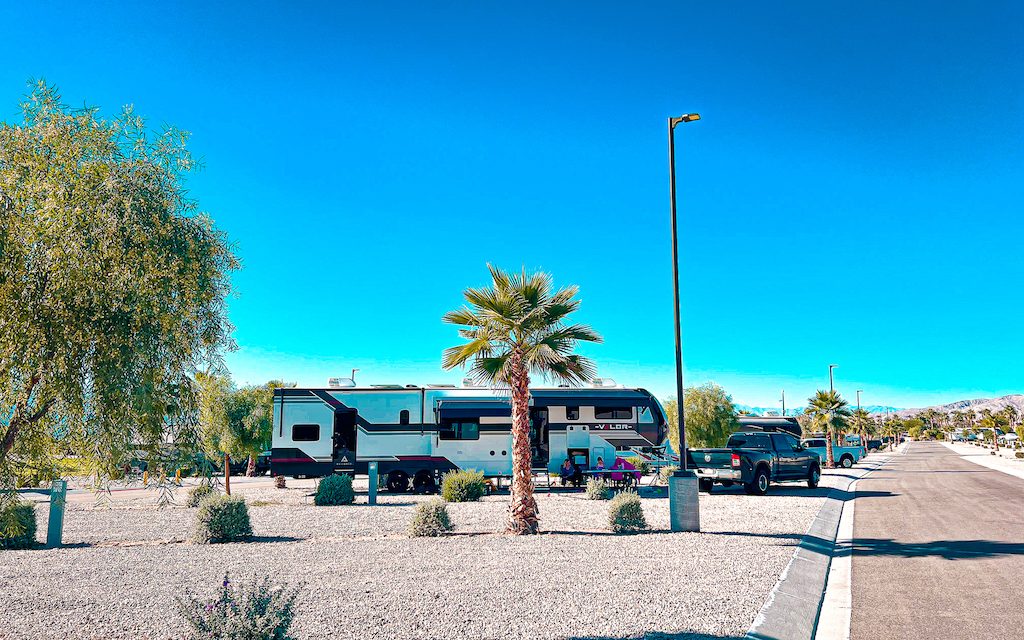
Full-time RVers traveling the country in our Alliance Valor.