
The RV industry continues to shift in some interesting ways heading into the second half of 2026.
Between:
- slowing new RV sales
- growing used RV demand
- potential interest rate changes
- evolving 2027 model rollouts
- and changing manufacturer strategies
buyers are entering one of the more unique RV markets we’ve seen in several years.
And while there’s still plenty of uncertainty surrounding:
- inflation
- financing
- trade-in values
- and inventory levels
there may also be opportunities for educated RV shoppers who understand what’s happening behind the scenes.
In this industry update, we break down:
- current RV sales trends
- what’s happening with used RV pricing
- how interest rates could impact buyers
- what to expect from incoming 2027 models
- and why understanding the timing of the market matters more than ever.
Because right now, the RV market isn’t just about finding the right camper, it’s about understanding the right timing, pricing, and buying strategy too.
Table of Contents
Current State of the RV Industry
New RV Sales vs Used RV Demand
Why Used RV Pricing Could Change
Interest Rates & RV Financing
What 2027 RV Models Mean for Buyers
Manufacturer Changes & RV Travel Outlook
RV Financing Advice Buyers Should Know
What This Means for RV Buyers
FAQ
Final Thoughts
Current State of the RV Industry
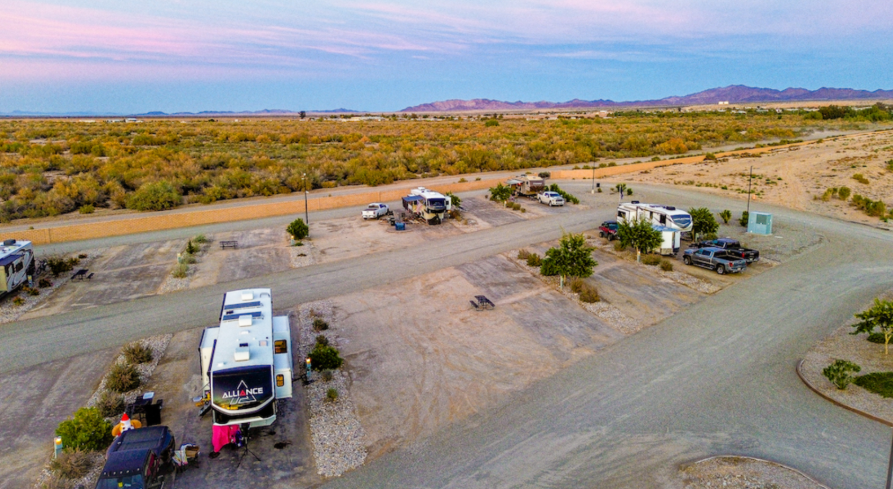
According to the latest market data the RV industry is currently experiencing:
- slower new RV sales
- stronger used RV demand
- cautious consumer spending
As of March 2026, year-over-year RV sales volume was reportedly down nearly 22%.
Towable RVs were hit especially hard, while motorized segments also continued to decline, though at a slower pace than previous years.
And while that may sound negative on the surface, it also creates some important implications for buyers.
Because when new RV inventory slows down, dealers often end up with:
- aging inventory
- leftover model years
- increased pricing pressure
which can sometimes create opportunities for shoppers willing to compare both new and used inventory carefully.
Why the Gap Between New and Used RVs Is Shrinking
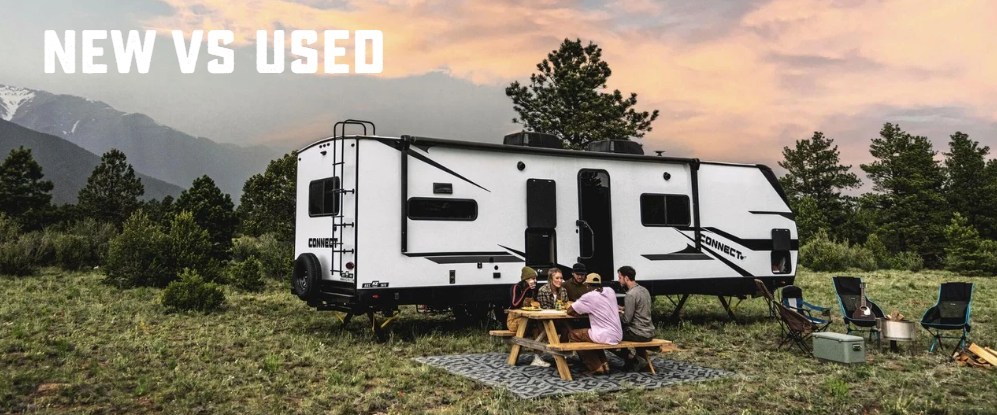
As used RV demand increases:
- used prices can rise
- dealer trade values can improve
- pricing gaps between new and used can narrow
Meanwhile, slower new RV sales may lead dealers to discount:
- older inventory
- aging model years
- leftover stock units
In some cases, buyers may actually find:
- brand-new RVs
- with warranties
- at pricing surprisingly close to used RVs.
What This Could Mean for Buyers
If you’re shopping for an RV right now, it may be worth comparing both markets side-by-side instead of assuming used is automatically cheaper.
Especially if:
- leftover 2026 inventory starts aging
- 2027 models begin arriving
- dealers need to move older stock quickly
That’s where some buyers may discover unexpected opportunities.
Why Used RV Pricing Could Change
There’s another side to the growing used RV market… trade-in values.
Trade values have become one of the biggest sticking points for many buyers trying to upgrade.

As used RV demand increases:
- dealers may pay more for clean trade-ins
- trade values could stabilize
- upgrading may become easier for some owners
That doesn’t automatically mean every trade value improves dramatically, but it does create a potentially healthier environment for people who have been:
- upside down on loans
- stuck with low trade offers
- waiting for better timing to upgrade
Interest Rates & RV Financing
Interest rates continue to be one of the biggest challenges in the RV market.
According to the transcript:
Rates have not dropped as many expected
Financing pressure remains high
Affordability continues impacting buying decisions
However, there’s growing discussion about possible future rate reductions.
While nothing is guaranteed, changes within the Federal Reserve leadership structure could eventually influence future rate decisions.
Why This Matters for RV Buyers
If rates eventually decrease:
- monthly payments could improve
- trade-in activity may increase
- overall RV demand could rise again
But there’s also another possibility, inflation concerns could continue delaying meaningful rate reductions.
Right now, the market remains highly dependent on:
- financing affordability
- consumer confidence
- trade equity
which is why many buyers are watching rates closely before making a decision.
What 2027 RV Models Mean for Buyers
One of the biggest annual shifts in the RV industry happens when manufacturers begin rolling out the next model year and 2027’s are already beginning to arrive.
Important Things Buyers Should Understand
Not every “2027” RV is actually fully updated.
Some manufacturers may:
- release true redesigned 2027 models
- delay feature updates until later in the year
- sell “carryover” 2026 models with 2027 VINs
That means buyers should ask important questions like:
- Is this a true 2027 redesign?
- What updates changed from 2026?
- Is this a carryover model?
Once 2027 production officially begins, many leftover 2026 RVs immediately become aging inventory, even if they’re technically still brand new.
And that can create pricing pressure on remaining 2026 stock.
Manufacturer Changes & RV Industry Trends

Several manufacturers are also adjusting internal strategies in response to market conditions.
Keystone’s reported organizational restructuring, where brands may now be grouped more strategically by restructuring product leadership across its Keystone, CrossRoads RV, and Dutchmen RV brands to further strengthen innovation, product development, and brand identity. The changes place experienced leaders in key roles across several major RV categories, reinforcing Keystone’s commitment to creating distinct products, maintaining clear brand positioning, and continuing its leadership within the RV industry.
The goal appears to be:
- streamlining production
- improving efficiency
- reducing overlap between brands
At the same time, manufacturers continue experimenting with:
- lighter RVs
- adventure-focused campers
- multifunction toy haulers
- simplified lightweight trailers
One notable example, Venture RV’s upcoming “Sienna Lite” series, which appears focused on:
- smaller floorplans
- lighter towing
- more affordable pricing
New RV Features Gaining Attention
One of the more interesting innovation involves upgraded patio wall systems for toy haulers.
Instead of traditional soft three-season walls, newer systems are beginning to use:
- laminated hard-wall patio doors
- improved insulation
- deadbolt locking systems
- blackout privacy shades
This reflects a much larger RV trend happening right now, people are using RVs differently than they used to.
Toy haulers increasingly serve as:
- guest rooms
- mobile offices
- hobby spaces
- patio lounges
- extra sleeping areas
not just garages for ATVs.
National Parks & RV Travel Outlook

While budget pressures still exist on National Park Service funding and infrastructure, some proposed cuts reportedly may not move forward, which could help support:
- campground infrastructure
- staffing
- facility maintenance
- park accessibility
This is very important as national parks continue to see extremely high visitation levels. And for many RV travelers, campground availability and park conditions directly impact travel planning and overall camping experience.
RV Financing Advice Buyers Should Know
RV financing strategies… putting money down matters.
Key RV Financing Considerations
- Larger down payments may improve interest rates
- Trade equity matters more than many buyers realize
- Financing accessories can dramatically increase long-term costs
- Lower upfront borrowing reduces future trade challenges
He also strongly recommends buyers avoid automatically rolling:
- taxes
- accessories
- hitch equipment
- sewer hoses and camping gear
into long-term financing whenever possible.
Because while small add-ons may not feel significant initially, financing them over long loan terms can make them surprisingly expensive over time.
What This Means for RV Buyers
So what should buyers actually take away from all of this? The RV market right now feels very transitional.
Some buyers may benefit from:
- aging 2026 inventory
- more negotiable pricing
- improving trade values
- potential future interest rate changes
Others may choose to wait for:
- redesigned 2027 models
- financing shifts
- additional market stabilization
But perhaps the biggest takeaway is that educated buyers currently have more leverage than they’ve had in several years.
Understanding:
- model year timing
- inventory age
- financing structure
- trade value trends
can make a major difference in the overall buying experience.
FAQs
Are RV prices dropping in 2026?
Some dealers may discount aging inventory, especially leftover 2026 models, but pricing varies widely by brand, demand, and inventory levels.
Is it better to buy new or used right now?
It depends. In some cases, pricing gaps between new and used RVs have narrowed significantly.
When do 2027 RV models release?
Many manufacturers begin rolling out new model years during the summer months, though timelines vary by brand.
Could RV interest rates improve?
Possibly, but no guarantees currently exist regarding future rate reductions.
The RV Market Is Changing Again
The RV industry never really stays still for very long.
And right now, the market appears to be entering another transition phase shaped by:
- financing pressure
- changing inventory levels
- evolving buyer behavior
- and manufacturer adaptation
For RV buyers, that can feel:
- confusing
- frustrating
- unpredictable
but it can also create opportunity.
Especially for shoppers willing to:
- compare new and used carefully
- understand model year timing
- ask better questions
- and approach the process informed instead of rushed.
Because in today’s RV market, knowledge may be one of the most valuable tools a buyer can have.

Written By: Brooke Erickson
Some say I am a writer, I like to say I am a storyteller