If you’re thinking about buying, selling, or traveling in an RV this year, there’s a lot happening behind the scenes that could impact your decision. In this RV industry update, we break down the latest news, from pricing trends and rental costs to safety changes and market shifts, so you can better understand what it all means for you.
Whether you’re a first-time buyer or a seasoned RV owner, staying informed can help you make smarter decisions in a rapidly changing market.
Table of Contents
What’s Happening in the RV Industry Right Now
Major Industry News & Changes
RV Pricing & Market Trends
Rental Costs: Are They Still Worth It?
Used RV Market vs New RV Market
New Safety Changes Coming to RVs
Travel & Fuel Cost Considerations
Campground & Travel Improvements
What This Means for RV Buyers
FAQ
What’s Happening in the RV Industry Right Now
After a relatively quiet stretch, the RV industry is seeing a wave of changes that could affect both buyers and current owners.
From potential supplier mergers to shifting market demand, the industry is in what many would consider a “compression cycle,” a period where manufacturers and dealers streamline operations due to softer sales.
Major Industry News & Changes to Watch
Potential Supplier Merger
Two of the largest RV suppliers, Lippert Components (LCI) and Patrick Industries, have discussed a potential merger.
These companies don’t just supply a few parts, they supply almost everything. From chassis components and suspension systems to sidewalls, steps, fans, and structural materials, they play a major role in how RVs are built.
If a merger were to happen, one likely outcome is reduced competition between suppliers.
From a business standpoint, that makes sense:
- Each company could focus on the products they produce most efficiently
- Overlapping product lines could be eliminated
- Operations could become more streamlined
But for RV buyers, it raises an important question:
What this could mean:
- Fewer suppliers in the market
- Less competition on parts and components
- Potential for higher costs over time
While nothing is finalized, this is one of the biggest developments to watch in the industry right now.
Rental Costs: Are RV Rentals Still Worth It?

RV rental prices have remained stable for a while, but they’re starting to creep up.
What to Consider
- Nightly rental costs are increasing
- Campground fees add to total cost
- Flights + hotels may be more competitive again
Bottom Line
Renting can still make sense, but it depends on:
- Trip type
- Travel style
- Destination
Used RV Market vs New RV Market

Used RV Market vs New RV Market: What Buyers Should Know
One of the more interesting trends right now is the split between new and used RV demand. While new RV sales are down, the used RV market is actually seeing increased activity.
At first glance, that might seem surprising, but there are a few key reasons behind it.
Why Used RV Demand Is Increasing
- Buyers are looking for lower price points
- More flexibility in negotiations
- Avoiding depreciation on new units
Why Used Inventory Feels Tight
At the same time, there’s a supply challenge happening.
Many current RV owners:
- Owe more than their RV is worth
- Are hesitant to trade in at lower values
- Are choosing to sell privately or through consignment instead
This creates a slower, more fragmented supply chain for used inventory.
What This Means for Buyers
- You may find strong value in used RVs, but competition can be higher
- Inventory may be less predictable
- Private sales and consignment listings may become more common
👉 Bottom line:
The used market is active, but not necessarily easier.
New Safety Changes Coming to RVs

New RV Safety Standards: What to Know About TPMS
One of the biggest long-term changes coming to the RV industry is the move toward standard tire pressure monitoring systems (TPMS) on most towable RVs.
Currently, TPMS is more commonly found on higher-end models, but that’s changing.
By the 2028–2029 model years, most towable RVs under 26,000 lbs are expected to include TPMS as a standard feature.
Why This Matters
TPMS systems monitor:
- Tire pressure
- Temperature
- Early warning signs of potential blowouts
For RV travelers, this can significantly improve safety, especially on long trips.
The Trade-Off
As with any new standard feature:
- Costs will increase slightly
- Entry-level models may include more basic systems
- Higher-end RVs will continue offering upgraded versions
What Buyers Should Take Away
This is a net positive change, but timing matters.
- Buying now → You may need to add TPMS aftermarket
- Buying later → It may come standard (at a higher base price)
Travel & Fuel Cost Considerations
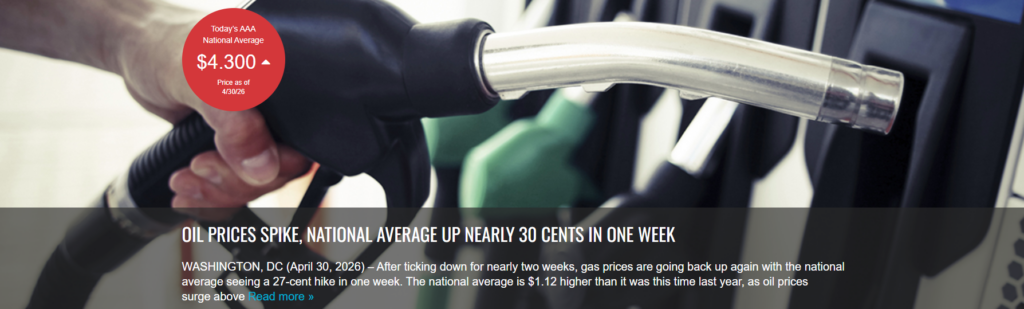
Ethanol Fuel Changes
New fuel blends (up to 15% ethanol) are becoming more common.
What to Know
- May reduce cost per gallon
- Can reduce fuel efficiency
- Not safe for older vehicles (pre-2001)
Important takeaway: cheaper fuel doesn’t always mean better value.
Travel Improvements for RVers

More Support at Travel Stops
Loves Travel Stops are expanding RV-friendly services:
- RV tires
- Batteries
- Travel-critical supplies
Why This Matters
- Easier problem-solving on the road
- Less stress during long trips
- More confidence while traveling
More Pet-Friendly Campgrounds
Campground brands are expanding:
- Pet walking areas
- Pet-friendly amenities
- More inclusive camping experiences
What This Means for RV Buyers
So what should you actually take away from all of this?
There’s a lot happening across the RV industry right now, but when you zoom out, it really comes down to timing, priorities, and how you plan to use your RV.
If You’re Buying an RV Right Now
There may be some real opportunities, but also a few things to watch closely.
With new RV sales trending downward, many dealers are working harder to move inventory. That can create:
- More competitive pricing
- Potential incentives or promotions
- Greater flexibility during negotiations
At the same time, the used RV market is tighter. More owners are choosing to sell privately or through consignment instead of trading in, which can make used inventory:
- Less predictable
- More competitive when good options hit the market
Looking ahead, potential supplier changes, like the discussed merger between major parts manufacturers, could eventually impact pricing across the board.
Bottom line:
If you find the right RV at the right price, it may be worth acting, because future pricing isn’t guaranteed to stay the same.
If You’re Traveling or Planning Trips
Travel is still very much alive and well, but the cost dynamics are shifting.
RV rentals, which had remained relatively stable, are starting to increase. When you factor in:
- Nightly rental rates
- Campground fees
- Fuel costs
…it’s becoming more important to compare RV travel against other options like hotels and flights depending on the trip.
The good news is that the travel experience itself is improving:
- More RV-friendly travel stops are offering tires, batteries, and essentials
- Campgrounds are becoming more pet-friendly and accommodating
- Infrastructure is slowly catching up to RV demand
Bottom line:
Travel may cost a little more, but it’s also becoming easier and more supported than ever.
If You’re Thinking About Waiting
Waiting isn’t necessarily a bad strategy, but it comes with trade-offs.
Over the next few years, you can expect:
- More standard safety features, like tire pressure monitoring systems (TPMS)
- Continued improvements in technology and convenience
- Potential shifts in pricing depending on market conditions
However, it’s important to remember:
- New features rarely come without added cost
- Market conditions can change quickly (both up and down)
Bottom line:
Waiting may get you better features, but not necessarily a better price.
The Big Picture
No matter where you are in your RV journey, the biggest takeaway is this:
The “right time” to buy or travel isn’t just about the market, it’s about your needs.
- If you’re ready to travel now → there are options available
- If you’re looking for value → opportunities exist, especially on new units
- If you’re focused on future tech → waiting could make sense
The key is understanding how these industry shifts affect your specific situation, not just the headlines.
This version:
- Adds depth without getting too long
- Uses the transcript insights naturally
- Feels helpful (not overwhelming)
- Strengthens your authority voice
FAQs
Is now a good time to buy an RV?
It can be, especially with softer demand creating potential pricing opportunities.
Are RV prices going up or down?
It depends, new RV demand is down, but supply-side changes could impact future pricing.
Are RV rentals getting more expensive?
Yes, rental costs are starting to increase after a period of stability.
Staying Ahead in a Changing RV Market
The RV industry is always evolving, but right now, we’re seeing a unique mix of challenges and opportunities.
From pricing shifts and safety improvements to travel convenience and market consolidation, there’s a lot to keep an eye on, but that also means there are opportunities for informed buyers.
The key is simple:
Stay informed
Understand your options
Make decisions based on how you actually travel
When you do that, you’re far more likely to find the right RV, and the right timing, for your next adventure!

Written By: Brooke Erickson
Some say I am a writer, I like to say I am a storyteller