Last Updated: 07/01/2025
When it comes to buying an RV, you’ve probably been told your two choices are either “New” or “Used”.
But there’s a third category that doesn’t get talked about enough — and it’s often the best bang for your buck:
Aged Inventory.
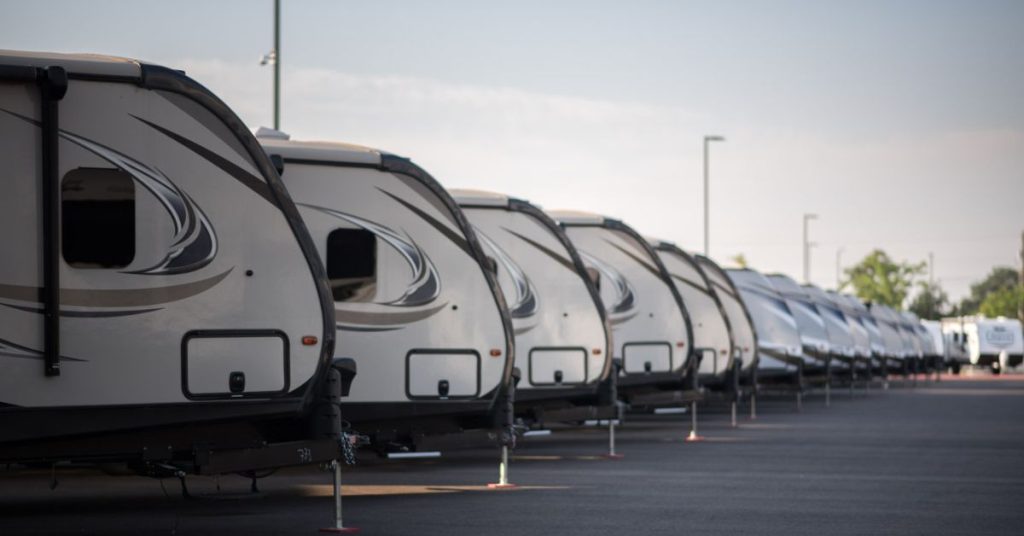
These are RVs that are technically brand-new — never been sold, never camped in, never been used — but because they’ve been sitting on a dealership lot longer than the newer arrivals, they come with a side of savings most buyers don’t know to ask about.
Want to learn more…?
Table of Contents
What Some New RVs Cost Less — and How to Find Them
Why Do Dealers Want Aged RVs Gone?
What Are You Actually Getting With an Aged RV?
How Much Can You Save with Aged RV Inventory?
When’s the Best Time to Shop Aged Inventory?
Buying New Without Paying New Price
Get the Full Breakdown on Aged RVs with Jake Bartunek and The RV Voice
Why Some New RVs Cost Less — and How to Find Them
Some brand-new RVs cost less simply because they’ve been sitting on the dealer’s lot for a while. They’re still unused, untitled, and covered by a full factory warranty — but since they’ve been parked longer than the newest arrivals, they’re often heavily discounted.
These are what dealers call aged inventory. No one’s camped in them. No one’s fired up the AC or used the toilet. They’re still “new” by every legal and practical standard — just not “new enough” to compete with the latest model year.
Think of it like buying a brand-new car that’s last year’s model. It’s still shiny and fresh off the factory line, but the moment a newer version shows up with a slightly different paint scheme or interior color, the older one becomes the underdog — and underdogs are often priced to win.
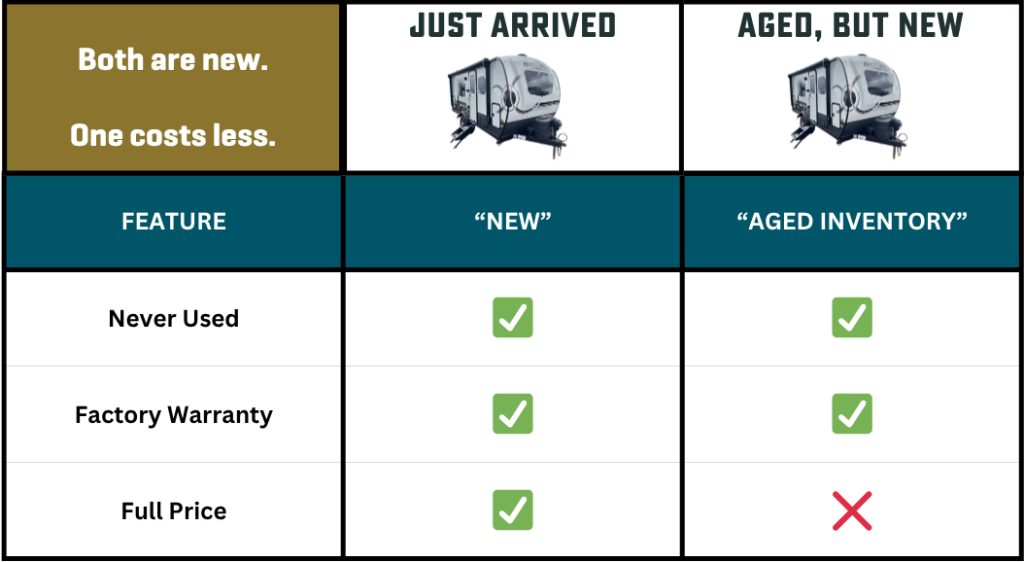
Most RV dealerships consider inventory “aged” once it’s been on the lot for 90 to 120 days or more.
That number varies by brand, location, and season, but the idea is the same: the longer it sits, the more pressure there is to sell it.
Just don’t confuse “aged” with “used.” These RVs are brand-new — untouched, unrented, and never titled.
And that age? That’s your leverage!
Trading In? An Aged RV Can Stretch That Value Even Further
If you’re planning to trade in your current camper, pairing it with aged inventory pricing could mean thousands more in savings — without giving up the “new RV” feel.

Why Do Dealers Want Aged RVs Gone?
Because every day an RV sits on the lot, it costs the dealership money — and if it sits too long, the costs start stacking up fast.
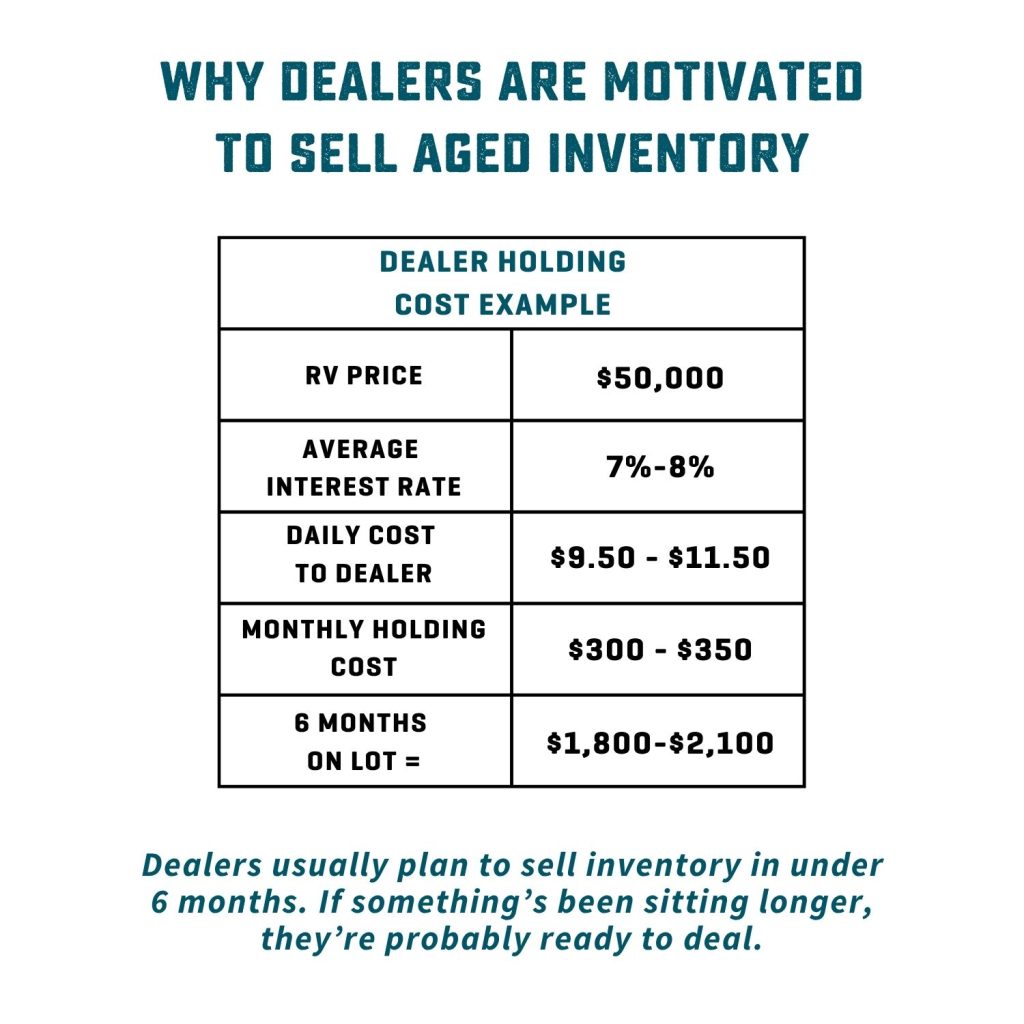
Most dealerships don’t pay cash for every RV you see on their lot. They use a system called floor plan financing — basically a loan for inventory. And just like any loan, there’s interest.
Take a $50,000 RV. That one unit can cost the dealership between $9.50 and $11.50 per day in interest, depending on rates (typically around 7%–8.5%).
That’s roughly $300–$350 per month just to let it sit there. Multiply that by dozens — or hundreds — of RVs, and you’ve got serious overhead.
But it gets worse…
If an RV doesn’t sell fast enough, the dealer eventually has to start paying that interest out of pocket — not just deferring it.
And if it sits even longer — typically close to two years — they’re often required to pay back the full loan balance on the RV, whether it’s sold or not.
Now imagine writing a check for the full price of a fifth wheel that hasn’t moved in 24 months.
For most dealers, outright paying off hundreds of units would be a financial disaster. We’re talking millions in unexpected costs.
That’s why aged inventory becomes a top priority to move — fast!
And it’s not just about the money.
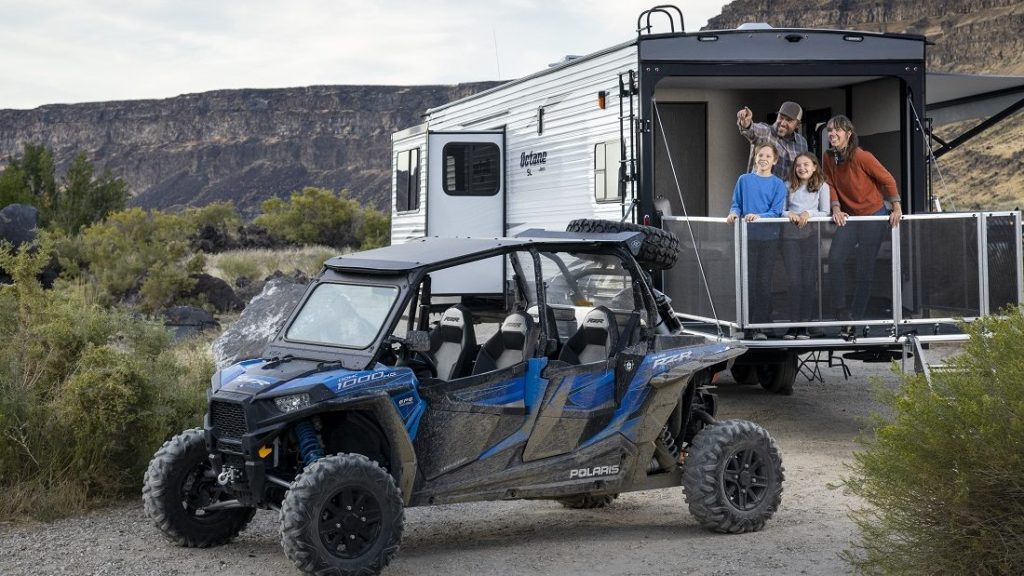
Dealers also have limited lot space, and new model year RVs keep rolling in — and in case you didn’t know, RVs are big.
When new models arrive, dealers need room to showcase them. Older units start taking up valuable space, miss out on manufacturer programs, and can even throw off a dealer’s overall inventory flow.
That’s why most dealerships aim to sell through their inventory every 4 to 6 months — a goal often referred to as “2 to 3 turns per year.” Large national dealers publicly report turning their inventory around twice a year, and many strive for even faster cycles.
What’s a “Turn”?
It’s how many times a dealer sells through its inventory in a year.
Two turns = every six months. Three turns = every four months.
So when an RV lingers past that timeframe?
It becomes a high-priority unit — and that gives you more room to negotiate.
Audio Clip: Why RV Dealers Cut Prices on Older New Models
What Are You Actually Getting With an Aged RV?
You’re getting a brand-new RV — full factory warranty, no previous owners, zero wear and tear — just with a little extra time on the lot.
There’s this weird misconception that aged inventory means “used” or “flawed.” Not true.
An aged RV is still untitled, which means it’s never had an owner. The appliances? Never fired up. The toilet? Never christened. The awning? Still crisp.
You’re getting the full new-RV experience:
- A clean, unused RV fresh from the factory
- A full warranty from the manufacturer
- No mystery smells, no questionable DIY repairs, no “what’s that stain?”
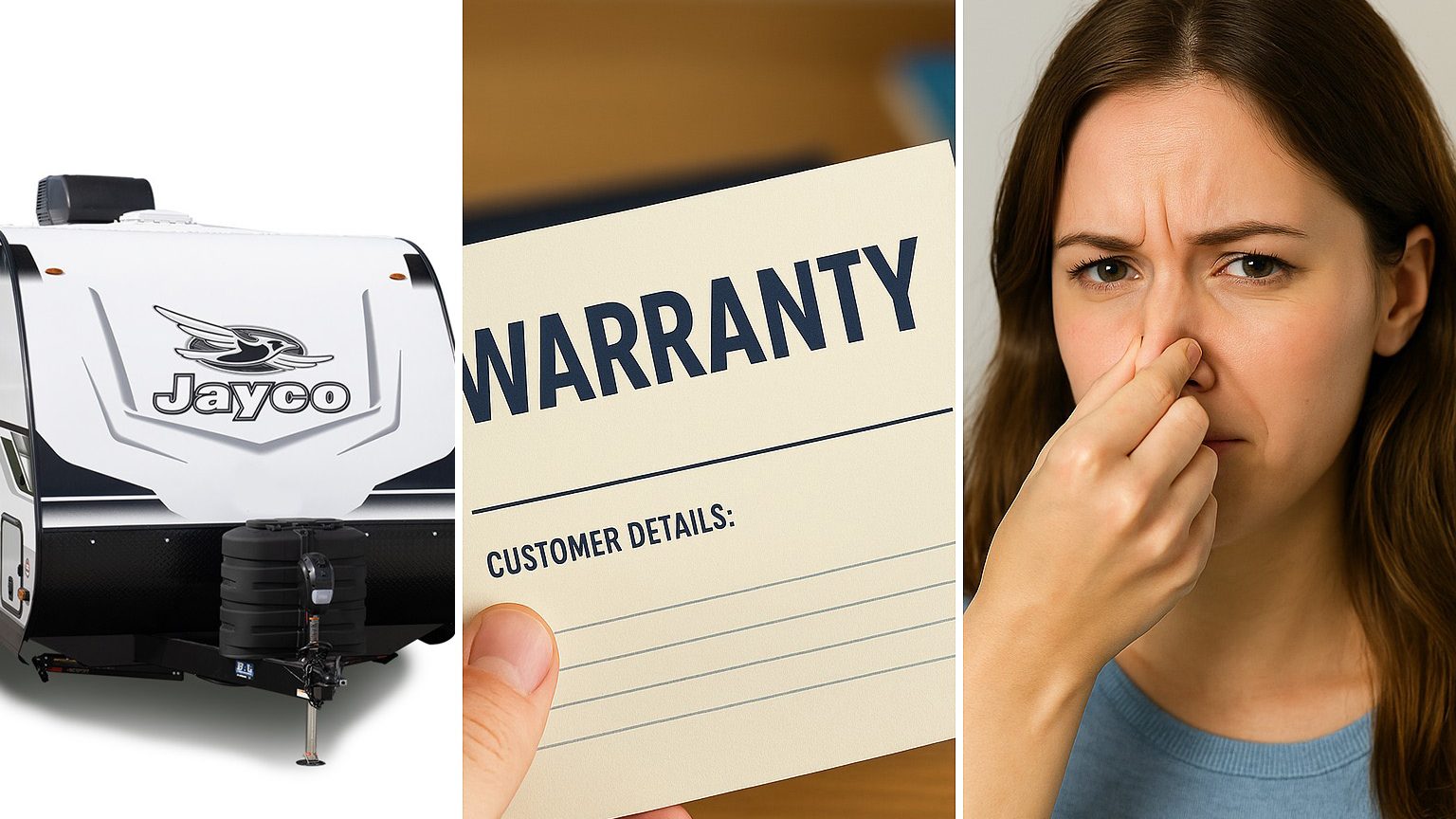
You get a New RV, A Full Warranty and No Funky Smells
It’s just… not the latest model year anymore. That’s it.
In many cases, the 2025 and 2026 version of a model are virtually identical — same chassis, same layout, same appliances. Maybe the new one has matte black cabinet hardware instead of brushed nickel. You decide if that’s worth paying thousands more for.
So if you’re worried you’re “missing out” by buying aged, just know: you’re still getting a legit new RV. You’re just not paying the “first to the party” premium.
Not Sure What You Can Afford?
Use our payment calculator to get a quick idea of monthly costs.
No pressure — just the numbers.

How Much Can You Save Buying an Aged RV?
Savings on aged inventory can range from a few thousand dollars to well over $10,000 — depending on the model, season, and how motivated the dealer is.
There’s no fixed discount, but aged RVs are usually priced to move. Dealers want them gone, and they’re often willing to slash prices more aggressively than on newer stock.
We’ve seen:
- $3,000–$13,000 off travel trailers that have sat 120+ days
- $10,000+ off higher-end fifth wheels or motorhomes
- Even deeper discounts when you catch dealers at the right time (like during model year changeovers)
So if you’ve been trying to stretch your budget or shop a little smarter, aged inventory can get you more RV for less money — and still let you roll out with everything brand-new.

Are Aged RVs Outdated? (Spoiler: Probably Not)
Nope. In most cases, a 2024 or 2025 model is nearly identical to the 2026 version — same floorplan, same appliances, same RV experience.
One of the biggest hang-ups buyers have is this:
“If it’s older, isn’t it missing something?”
In reality, RV model years don’t change that much — especially not every single year. Unlike smartphones or cars that get full redesigns, many RV brands stick with a popular floorplan for years. The biggest changes are usually:
- New graphics on the outside
- A cabinet handle going from brushed nickel to matte black
- Maybe a new fabric pattern for the dinette
- Some tech upgrades for better sound or TV placement
That’s it.
Same layout. Same water heater. Same AC unit. Same bathroom. Same frame, tires, windows — you get the idea.
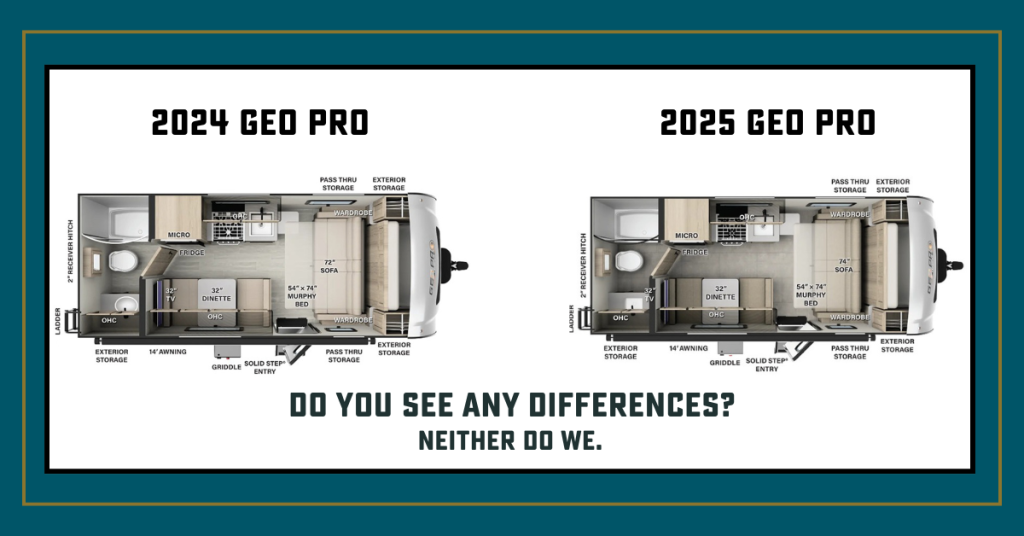
So unless you really need that darker wood tone or the newest sticker on the side, you’re likely getting the same RV experience at a lower price.
And if a new model year does have some big updates? Great — now you know exactly what you’d be paying extra for… and whether it’s actually worth it.
When’s the Best Time to Shop For an Aged RV?
Fall, winter, and right after a new model year hits the lot are prime times to score a deal on aged RVs. That’s when dealerships are most motivated to clear space and cut prices.
RV dealerships don’t have infinite room. When the next year’s models start arriving — say, 2026s in late spring or summer — the clock starts ticking on last year’s inventory.
Here’s the breakdown of when aged inventory deals are hottest:
Late Fall to Winter (October–February)
- Fewer shoppers on the lot = more negotiating power
- Dealers prepping for next spring’s lineup
- Holiday promos + aged inventory = potential double-dip discounts
Right After a New Model Year Arrives (May–August)
- 2026s roll in, and now that 2025 that looked fresh last week? Suddenly old news.
- Dealers want to feature the newest units — and move the ones that are suddenly “last year”
And here’s a PRO TIP you can use at any time of year:
“Do you have any aged 2024 or 2025 models you’re trying to move?”
That one question flips the script. You’re no longer just a browser — you’re a buyer who knows the game. And dealers respect that.
Dealer Secret:
If you want to know when RV prices are at their lowest, read “When is the Best Time to Buy an RV?”

Why Is Buying an Aged RV a Smart Move?
Because you’re getting all the benefits of buying new — without paying the “new-new” price. It’s one of the rare times you can save thousands without sacrificing a thing.
Let’s recap what you actually get when you buy aged inventory:
- A brand-new RV that’s never been used
- Full factory warranty
- No previous wear, damage, or “what happened here?” surprises
- The same systems, layouts, and quality you’d find in this year’s models
- Thousands in savings just because it sat a few months
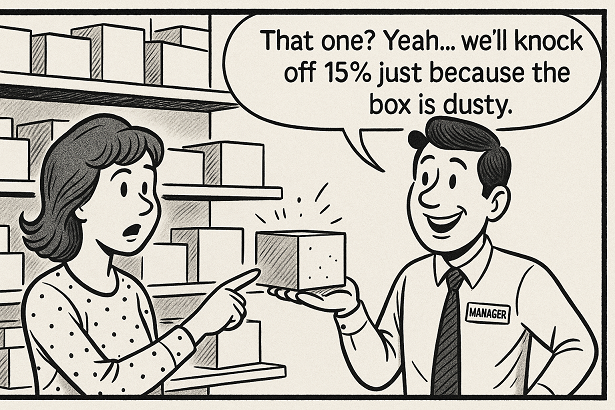
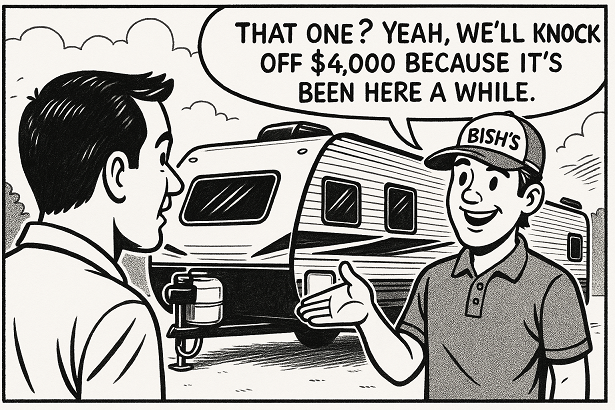
It’s like walking into a store, pointing at something on the shelf, and having the manager say,
“That one? Yeah… we’ll knock off 15% just because the box is dusty.”
For first-time RV buyers, aged inventory is an especially smart move. Why?
- Lower upfront cost = more room in the budget for upgrades, accessories, or road trip fuel
- Full warranty coverage means you’re protected while you learn the ropes
- You’re not overpaying for the newest sticker or color scheme
Bottom line? You’re buying smart. You’re buying informed. And you’re keeping more money in your pocket — where it belongs.
Final Thoughts: Don’t Overlook the Best Deals on the Lot
Aged RVs are not a compromise — they’re a strategy. And they might just be the smartest RV shopping decision you can make.
If you’re looking for a new RV but don’t love the price tag that comes with “fresh off the truck” status, aged inventory puts you in the sweet spot.
You get all the perks of buying new — warranty, clean systems, peace of mind — without paying the full-year markup.
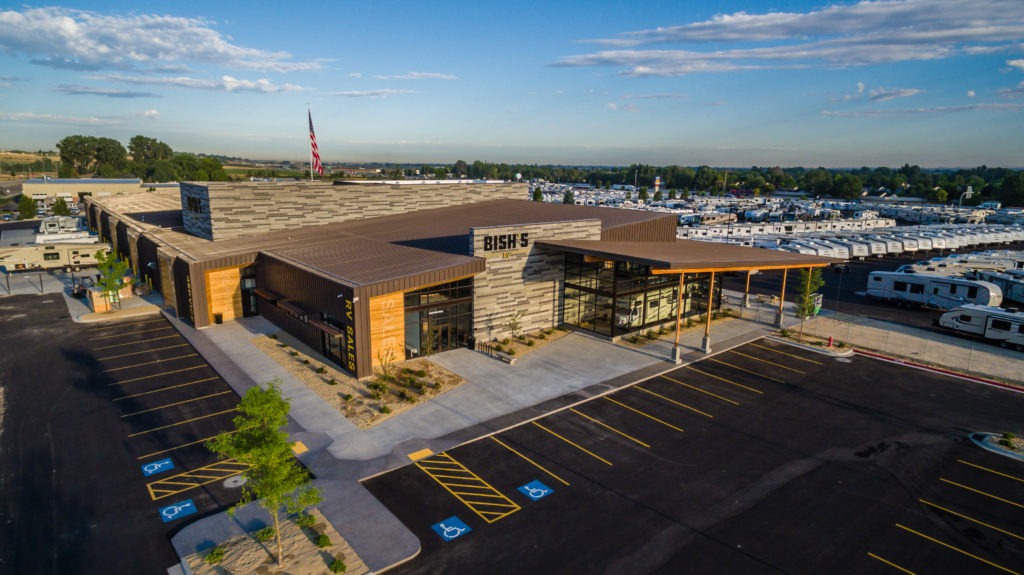
And if you’re shopping at Bish’s RV, just ask:
“Do you have any aged inventory you’re looking to move?”
That one question could unlock a brand-new RV at a way-better-than-new price
We love helping smart shoppers get the most value for their money. And aged inventory? That’s where the smart deals live.
Ready to stretch your budget without cutting corners?
Come find an RV that’s aged… but untouched.

Want to Compare Year-to-Year Floor Plans and Pricing?
2024 Campers


2025 Campers


Talk to an RV Outfitter
Got questions about features, warranties, or the best time to buy? We’ve got answers.

Frequently Asked Questions
Is aged inventory the same as used?
No — aged RVs are brand-new. They’ve never been titled, camped in, or used. The only thing “aged” is the time they’ve spent sitting on the dealer’s lot.
Do I still get a full warranty?
Yes! You get the full factory warranty, just like any other new RV. The warranty kicks in when you buy it — not when it arrived at the dealership.
Are aged RVs missing new features?
Usually not. Most RV model years don’t change much. A newer model might have a different cabinet finish or sticker package, but the layout, systems, and appliances often stay the same.
Can I still get financing?
Absolutely. Aged RVs qualify for the same financing options and terms as new ones — sometimes even better if there’s dealer incentives involved.
Can I trade in my current RV and still get a deal?
Definitely. In fact, trading in your RV when buying aged inventory can increase your savings even more, especially if the dealer is eager to move the unit.
How do I find aged inventory near me?
Easy — just ask! At Bish’s, you can also search online or talk to a team member to find aged RVs in stock.
? [Find a Bish’s Dealer →]
Do aged RVs come with any risk?
Not really. Since they’ve never been used and are still under warranty, there’s no more risk than buying any other new RV — just less cost.
Audio Transcript: Why Dealers Need to Move Aged Inventory
Dealers don’t just want aged RVs gone — they need them gone.
You see, most RV dealerships don’t pay cash for the campers on their lots. They use loans. And the longer an RV sits, the more that loan racks up interest. We’re talking $300 or more per month just for it to hang out on the lot.
Eventually, the dealer has to start paying off that interest. And if it sits too long — usually about 2 years — they have to pay back the full loan, even if it hasn’t sold.
Now imagine that happening with hundreds of RVs. Suddenly, we’re not just talking about one slow seller — we’re talking millions of dollars dealers might have to fork over just to cover inventory that’s gathering dust. No wonder they’re eager to make a deal.
That’s… not ideal. Add in limited lot space and new RVs rolling in nonstop, and those older-new models suddenly become the VIPs of deal-making. Translation? You’ve got leverage.
And it’s not just about the money. Every RV that sticks around too long takes up space that dealers need for the newest arrivals. So these older units quickly move to the top of the “let’s make a deal” list.
For you, that means more wiggle room on price, a better chance to negotiate, and in a lot of cases, the best deal on the lot. You’re not buying leftovers — you’re scoring a brand-new RV that’s just been waiting for the right shopper to show up.

Greg Long
Bish’s RV Content Manager
With over 10 years in the RV industry, Greg combines firsthand dealership experience with a passion for helping people find the right RV for their adventures. He’s walked thousands of campers, talked with real buyers, and believes the best RV advice should be clear, honest, and fun.
Amateur adventurer; professional dreamer.
aka: The Bish-Blog-Guy