RVing is one of the most rewarding lifestyles you can choose, but it’s also one of the most misunderstood.
Over the past few years, we’ve seen more first-time RV buyers than ever before walk through the doors at Bish’s RV. And there’s one thing they all have in common, you don’t know what you don’t know!
Our expert, Josh the RV Nerd, reached out to service techs, industry experts, sales staff, and REAL RV owners, asking them one simple question: What is the one thing you wish people knew before buying an RV?
The answers were honest and incredibly valuable! So, here are the biggest truths about RV ownership every buyer should understand before signing anything.
Table of Contents
RV Ownership Is a Hobby
No RV is Perfect
Service and Warranty
Perfect Floorplan
Payload
Towing Elements
Trailer Sway
Maintenance
Part Delays
True Cost of Ownership
Shop the Dealer
Driving with an RV
RV Ownership Is a Hobby — Not an Appliance
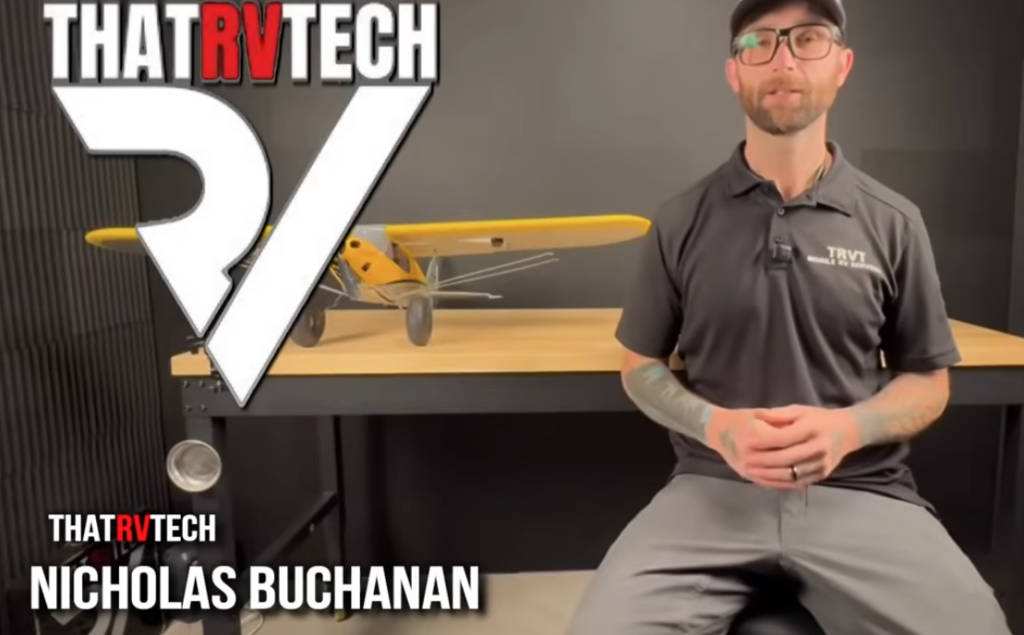
One of our veteran RV technicians put it perfectly: “Think of RV ownership like a hobby, not like buying a refrigerator.” – Nicholas Buchanan
RVs require:
- Expect regular “owner upkeep“ (cleaning, inspections, resealing, lubricating)
- Budget time each month for light checks
- Occasional repairs
- Assume you will learn (and get better) every season
Just like a boat, a motorcycle, or a cabin… it rewards the people who engage with it.
If you expect zero effort, you’ll be frustrated.
If you embrace it as a hobby, you’ll love the lifestyle.
No RV Is Perfect (And That’s Normal)
RVs are hand-built by people, not robots. The ownership experience by support systems, not perfection.
Manufacturer guidance on warranties emphasizes understanding coverage and using it correctly.
Even the best brands:
- Make mistakes sometimes
- Have components from dozens of suppliers
- Will need adjustments and fixes
The real question isn’t: Will something ever go wrong? It’s: Who’s going to take care of me when it does?
That’s why choosing the right dealer matters as much as choosing the right RV.
Service & Warranty Are Not Like Your Car
One of the most common first-timer shocks: RV warranty claims often require more documentation and a longer process than automotive claims.
Many RV warranty guides emphasize that claims may involve photos, documentation, diagnosis steps, and approvals (and some dealers submit this on your behalf).
Why it feels slower than a car:
- RVs are built from many component suppliers (appliances, slide systems, axles, etc.)
- Warranty often depends on documented diagnosis and approval paths
- Parts availability impacts timeline (more on that below)
What to do as a buyer:
- Ask the dealer: “How do you handle warranty claims? Who documents and submits them?”
- Keep a simple folder: photos, notes, dates, work orders, and receipts
- Set expectations: the RV industry itself notes customers often expect an automotive-style process, but RV service is different and requires clearer expectation-setting.
You’re towing a house down the road, not a sedan.
Patience and realistic expectations will save you a lot of stress.
You Will Almost Never Find the “Perfect” Floorplan
Creators and long-time owners repeat this constantly: the “perfect” floorplan usually doesn’t exist because your camping style evolves.
Instead, aim for:
- A layout that fits your non-negotiables (sleeping, storage, bathroom access)
- A plan for small upgrades: organization systems, mattress, lighting, workspace tweaks
If you’re shopping family rigs, floorplan roundups often show how many “great” options exist, but each involves tradeoffs.
Pro tip:
Do a “day-in-the-life walk-through” in the RV before you buy:
- Morning routine
- Rain day inside
- Cooking dinner
- Everyone charging devices
- Quick bathroom stop on a travel day
And if possible, rent one before you purchase!
Payload Often Matters More Than Towing Capacity (This Is a Big One)
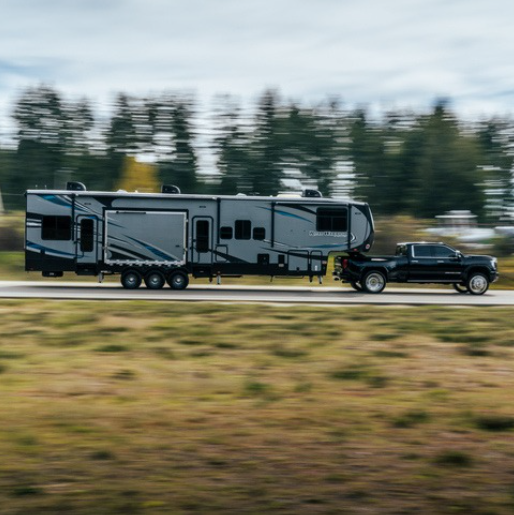
This is one of the most repeated expert warnings in RVing, you can run out of payload before you reach max tow rating.
Even mainstream towing guides highlight that GVWR (total weight the vehicle can safely carry) includes passengers, cargo, fuel, and tongue weight, which surprises many shoppers.
NHTSA’s towing safety guidance also recommends weighing and understanding tongue weight and loading realities, not just relying on marketing numbers.
What experts advise (simple version):
- Find payload on your exact vehicle’s door sticker
- Subtract:
- People
- Gear in the cab/bed
- Hitch hardware
- Tongue weight / pin weight
- If you’re near the limit, you’ll feel it in braking, handling, and “white-knuckle” days
Where You Tow Matters As Much As What You Tow (Wind, Mountains, and Reality)
Real life towing is different when:
Crosswinds hit
Trucks pass you
Roads get steep
Weather changes fast
Safety guidance and sway-prevention education consistently recommend slowing down, avoiding sudden maneuvers, and driving smoothly to reduce instability.
Many hitch and towing experts also advise avoiding travel during high winds when possible, and reducing speed rather than making aggressive corrections.
Practical rule:
If the conditions are making you tense, it’s okay to:
- Pull off
- Take a break
- Let the weather pass
Trailer Sway Prevention Is Mostly Setup + Loading + Speed
Trailer sway is one of those topics that sounds scary — until you understand what causes it.
Experts commonly point to:
- Improper loading (too little tongue weight / bad distribution)
- Underinflated tires
- Excess speed
- Not using the right hitch setup for the trailer
Hitch manufacturers also stress that weight distribution hitches can improve stability when matched correctly to the trailer and tow vehicle.
Maintenance Isn’t Optional — It’s How You Protect Your RV (and Your Trips)
Upkeep is “a year-round project.” That’s not exaggeration.
Manufacturer guidance includes items like:
- Checking roof sealant regularly
- Using the right sealants/products
- Keeping up with recurring inspections
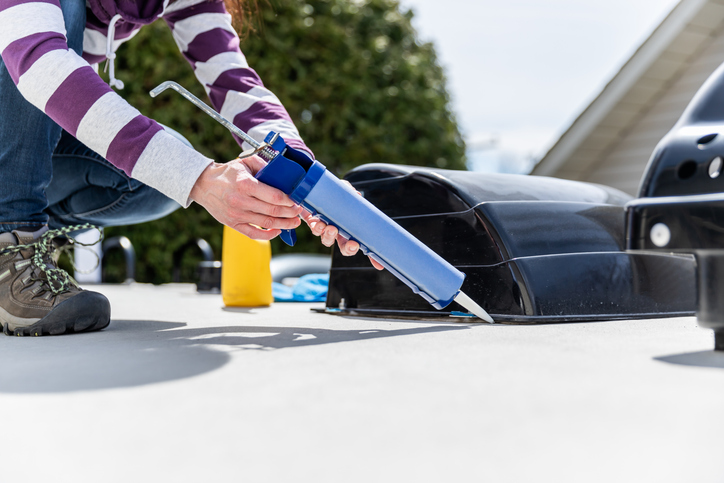
And some manufacturers/publications recommend wheel bearing service intervals like 12 months or 12,000 miles (or per your axle manufacturer).
High-impact maintenance that prevents expensive headaches:
- Roof + exterior seal inspections
- Tire condition + pressure checks
- Slide cleaning + seal conditioning/lubrication (per manufacturer spec)
- Annual service items (bearings, brakes, propane safety checks)
Parts Delays Happen and That Can Affect Repair Timelines
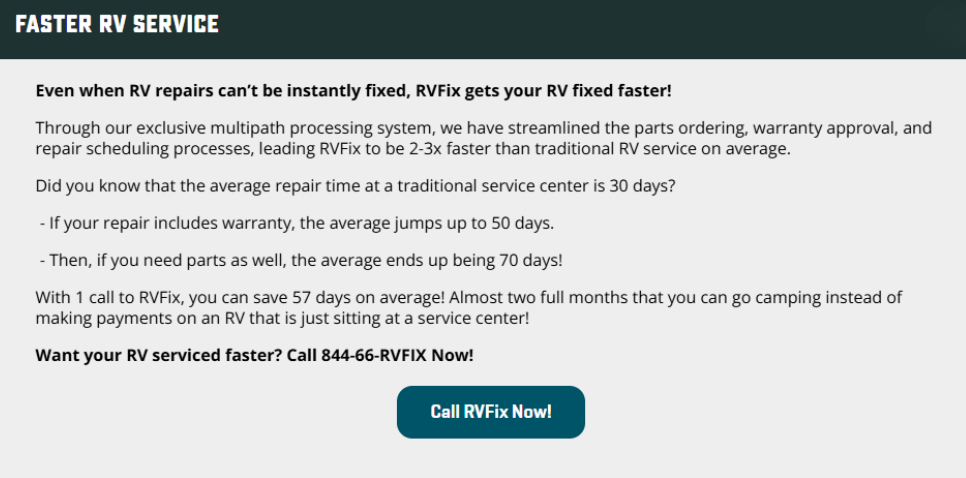
RV industry data discussion notes that out-of-stock parts can add delays (and that parts logistics contribute to overall cycle time).
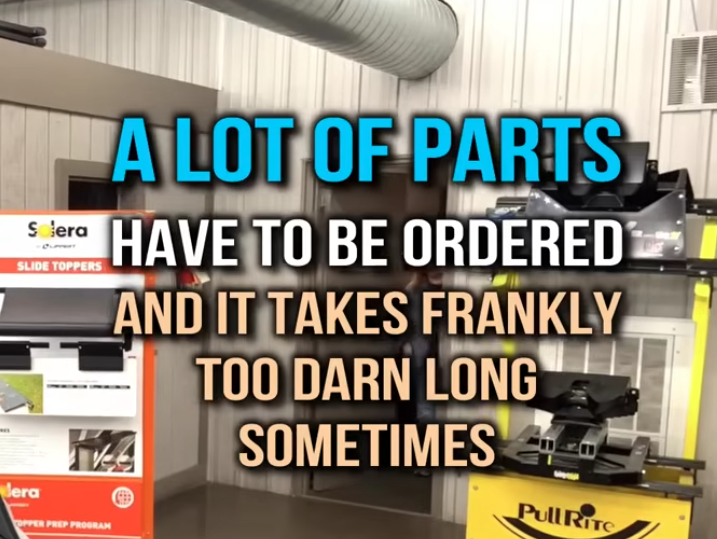
RV repair advocates have reported that average time in a repair facility can be measured in weeks, depending on issue type and parts flow.
What good dealers do here:
- Set expectations early
- Communicate proactively
- Help you understand what’s controllable vs. supplier-driven
The “True Cost of Ownership” Is More Than the Monthly Payment
Another recurring theme: many first-time buyers budget for the payment — but not the full picture.
Common “ownership cost” breakdowns include:
- Insurance
- Storage
- Maintenance and repairs
- Accessories and setup
- Depreciation
- Fuel (travel expense, but still real)
Many long-term RV owners share real-world totals including repairs/maintenance and depreciation to show how costs add up over time.
Shop the Dealer First” (Because Service After the Sale Is the Whole Game)
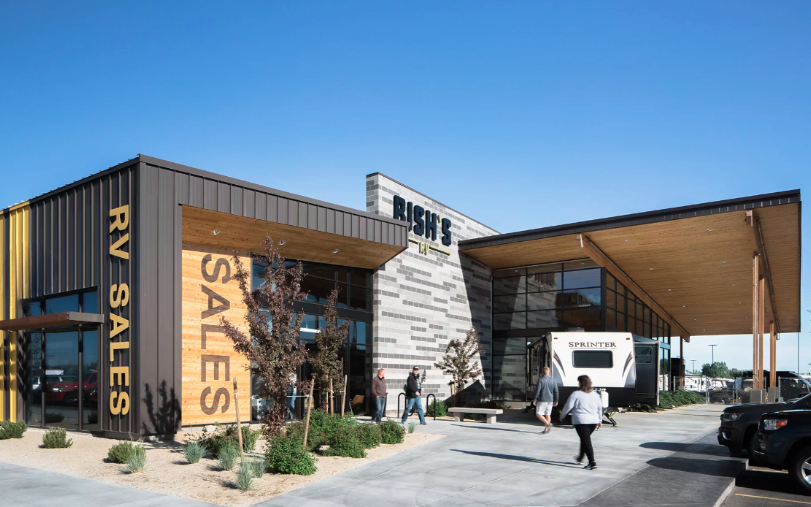
Shop your RV dealer first!
Independent guides on choosing a dealership emphasize:
- Reputation and reviews
- Transparency and communication
- Service department strength
- How they support you after the sale
What to ask before you buy:
- “How far out is your service scheduling typically?”
- “Do you handle warranty paperwork and communication?”
- “What does your walk-through/orientation include?”
- “If something fails on my first trip, what happens next?”
Driving With an RV Is Different — So Drive Like It
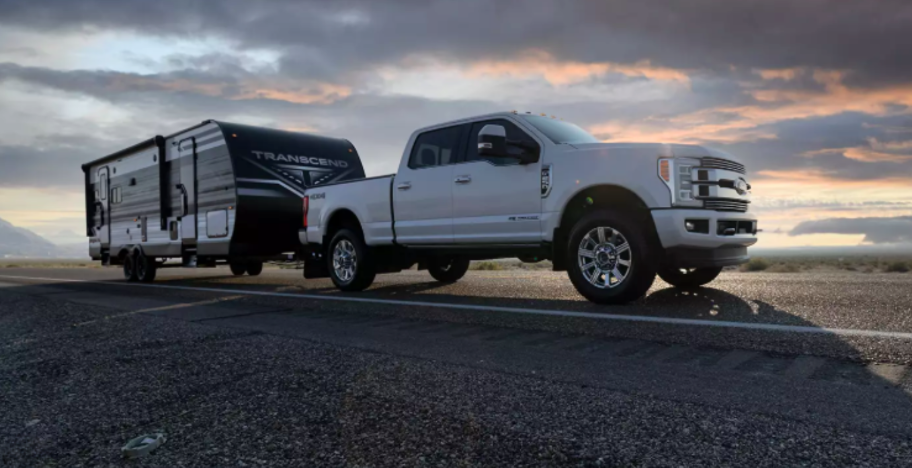
This is one of the most practical pieces of advice… slow down and give yourself margin.
NHTSA towing safety guidance recommends smoother driving habits (avoid sudden maneuvers, slow down on rough surfaces) and stresses that safe towing is tied to loading and handling realities.
Simple travel-day best practices:
- Increase following distance
- Brake earlier than you think you need to
- Keep speeds conservative in wind/traffic
- Treat your first few trips like “practice reps”
The Bottom Line
The truth is, RVing is absolutely worth it. But it’s a lot more fun (and a lot less stressful) when you go into it with real expectations, a safe and properly matched tow setup, a simple maintenance rhythm, and a dealer you genuinely trust after the sale.
If you start there, most of the “surprises” that frustrate new RV owners turn into small speed bumps instead of trip-ending problems, and you get to focus on what this is really about: getting out there, making memories, and enjoying the adventure.

Written By: Brooke Erickson
Some say I am a writer, I like to say I am a storyteller