Table of Contents
Introduction: Upgrading Isn’t Just About the New Payment
Trade-In Value vs. Loan Balance
Sales Tax, Registration, and Transaction Fees
Financing Changes: Interest Rates and Loan Terms
Depreciation and Resale Considerations
Upgrade vs. Modification Costs
Final Thoughts: Upgrade for Alignment, Not Pressure
Introduction: Upgrading Isn’t Just About the New Payment
When people think about upgrading their RV, the first number they usually look at is the monthly payment. That’s understandable. It’s the most visible change.
But the real cost of upgrading your RV goes far beyond that one number.
There’s trade-in value. There’s equity (or negative equity). There are taxes, fees, insurance adjustments, and sometimes tow vehicle considerations. There are also long-term cost differences that can work in your favor, like improved resale value, better cargo capacity, or layouts that reduce the need for future upgrades.
Upgrading can be a smart financial move. It can also be an expensive emotional decision if it’s not thought through carefully.
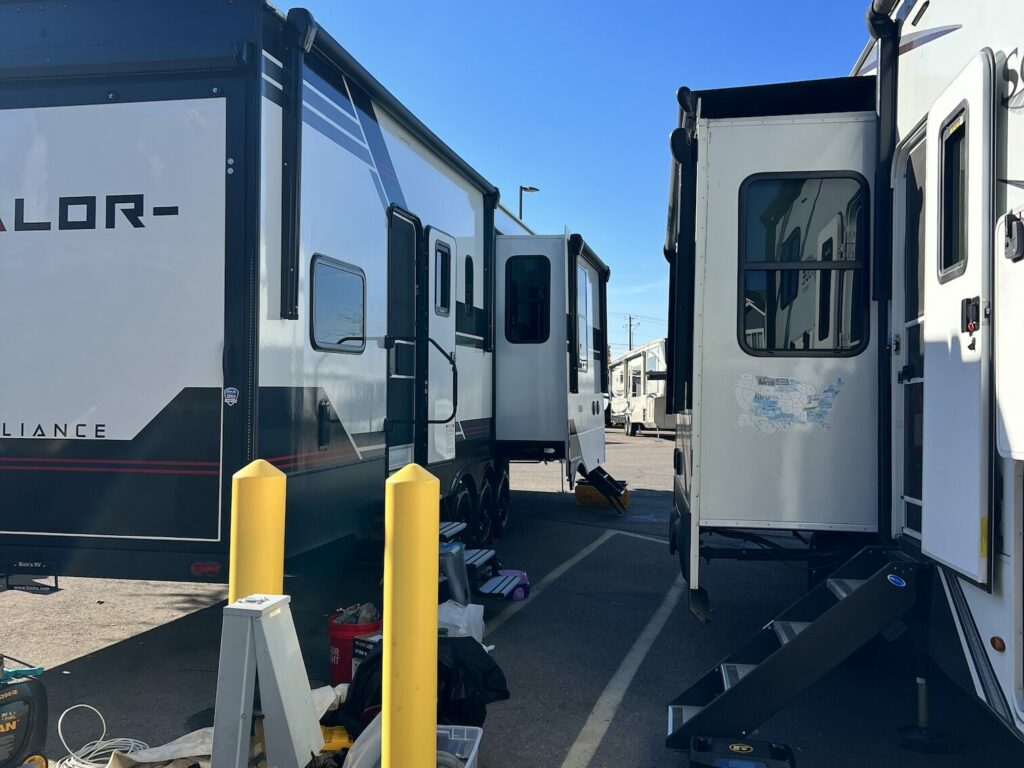
This guide breaks down what upgrading actually costs, in plain language, so you can make a strategic decision instead of a reactive one.
The Short Answer: What Does It Really Cost to Upgrade Your RV?
It depends on three primary factors:
- How much equity you have in your current RV
- The price difference between your current RV and the one you’re upgrading to
- The associated transaction and ownership costs
For some families, upgrading means a manageable payment shift.
For others, it may require rolling negative equity or restructuring financing. The key is understanding the numbers before you fall in love with the layout.
Let’s break it down clearly.
Trade-In Value vs. Loan Balance
This is the first and most important step.
Your RV has a market value.
You also have a loan payoff amount (if financed).
If your RV is worth more than what you owe, you have equity. That equity can be applied to your next purchase.
If you owe more than it’s worth, you have negative equity. That difference typically gets rolled into your new loan which will increase your total financed amount.
This is where many people underestimate upgrade costs. They focus on the new RV price but ignore what they’re carrying forward.
Before exploring layouts, get two numbers:
- Current loan payoff
- Realistic trade-in value
This gives you a starting point grounded in reality.
Sales Tax, Registration, and Transaction Fees
One of the most overlooked costs when upgrading your RV isn’t the unit itself, it’s everything attached to the transaction.
When you purchase a new RV, you’ll typically pay sales tax on the difference between the new purchase price and your trade-in value (depending on your state). That can still be a significant number, especially when moving into a higher-priced unit.
In addition to sales tax, there are registration fees, title transfers, documentation fees, and sometimes dealership processing charges.
It’s important to factor these into your total upgrade cost before making a decision.
If your trade-in reduces the taxable amount, that can help. But even then, expect some additional upfront expense or increased financed amount.
The goal isn’t to avoid these costs, it’s to anticipate them. Surprises are what make upgrades feel stressful.
Transparency makes them manageable.
And that is why we chose to partner with Bish’s RV because there are no hidden fees and no surprises.
Financing Changes: Interest Rates and Loan Terms
Even if your monthly payment looks similar on paper, financing changes can significantly impact the true cost of upgrading.
Interest rates fluctuate. Loan terms may reset. And if you’re rolling negative equity into your new loan, that increases the total financed amount.
For example, extending a loan term to keep payments manageable may reduce your monthly burden but increase the total interest paid over time. On the other hand, putting equity down or choosing a shorter term may raise payments but lower long-term cost.
This is where many people focus only on the monthly number.
A smarter set of questions to ask are:
- What is the total cost of this loan over time?
- How much interest am I paying compared to my current loan?
- Am I resetting the clock financially?
Sometimes upgrading can actually improve your financial structure if done strategically, especially if you have strong equity and favorable rates. But it requires looking beyond the payment and into the long-term picture.
Upgrading should feel sustainable, not stretched.
Follow Us on Instagram!
Insurance Adjustments
Insurance is rarely the deciding factor in an upgrade, but it’s part of the financial equation.
A higher-value RV typically means higher replacement cost coverage, which can increase premiums. Toy haulers, triple-axle units, or larger fifth wheels may carry slightly different insurance profiles depending on value and classification.
At the same time, if your new RV includes updated safety features, stronger build quality, or improved construction, that can sometimes help offset cost differences.
It’s worth requesting a quote before upgrading so you understand what the new premium will look like. Even a small monthly increase adds up over time.
RV insurance shouldn’t scare you away from upgrading, but it should be part of the planning process.
Financial clarity builds confidence.
Potential Tow Vehicle Costs
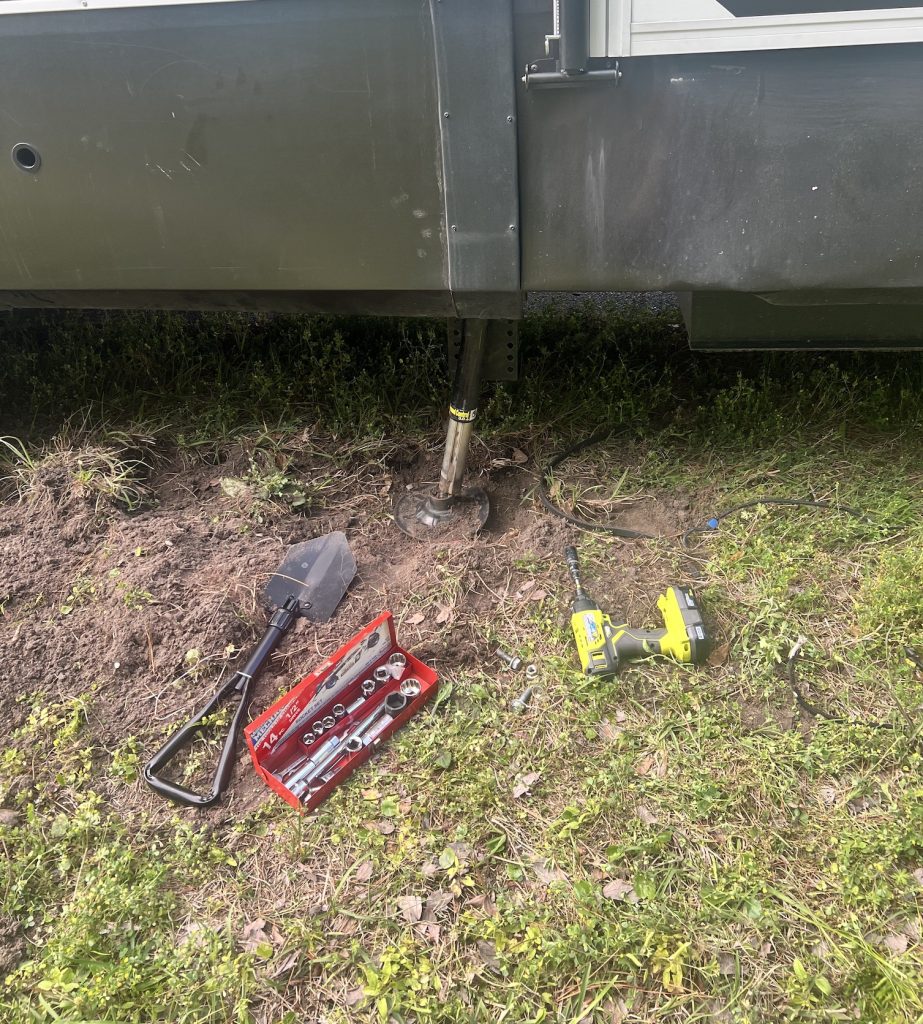
One of the most important, and sometimes unexpected, costs of upgrading your RV is whether your current truck can still handle it.
If you’re moving into a heavier fifth wheel, a triple-axle toy hauler, or a unit with higher cargo carrying capacity, your tow vehicle becomes part of the equation.
Many RVers upgrade their trailer without fully evaluating:
- Payload capacity
- Rear axle rating
- Combined weight rating
- Hitch requirements
Even if your truck can technically tow the new RV, you may find yourself operating near the upper limits. That can affect comfort, braking performance, and long-term wear on the vehicle.
In some cases, upgrading the RV means upgrading the truck, which is a much larger financial conversation. Before committing to a new RV, verify your truck’s real-world numbers. Not just the advertised towing capacity, but the payload and axle ratings based on your specific configuration.
Sometimes the smartest upgrade decision starts with confirming that your foundation, which is your tow vehicle, still fits the plan.
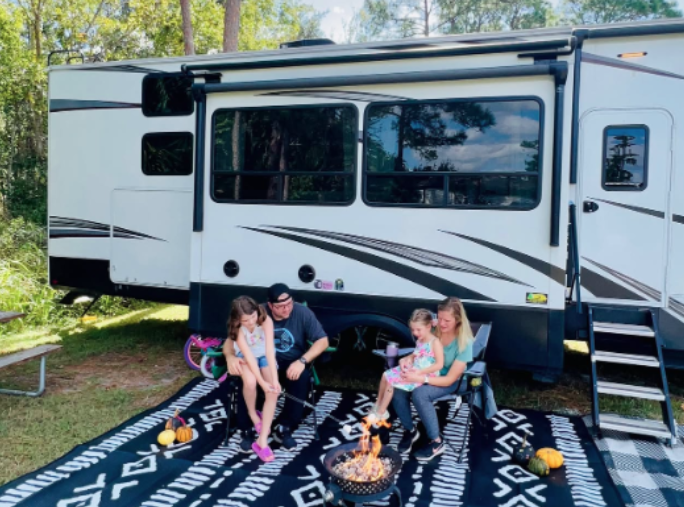
Depreciation and Resale Considerations
All RVs depreciate. That’s part of ownership.
But understanding depreciation is key to making a smart upgrade decision.
When you upgrade, you’re essentially resetting your depreciation curve. A newer unit will typically depreciate more in the first few years than an older one that has already stabilized in value.
That doesn’t mean upgrading is wrong, it just means timing matters.
If you have strong equity in your current RV and are moving into a model with high demand and strong resale value, the financial impact may be more balanced than expected.
On the other hand, upgrading too quickly, especially within the first year or two of ownership, can amplify depreciation losses.
It’s worth asking:
- How long do we plan to keep this next RV?
- Are we upgrading strategically for a long-term fit?
- Or are we upgrading reactively?
Upgrade vs. Modification Costs
Sometimes what feels like an upgrade need is actually a modification opportunity.
Before moving into a new RV, it’s worth evaluating whether your frustrations could be solved with:
- Solar upgrades
- Suspension improvements
- Storage modifications
- Organizational systems
- Furniture changes
- Tire upgrades
For example, if your biggest complaint is limited battery capacity, adding lithium batteries and solar may cost significantly less than upgrading to a new unit.
If storage organization is the issue, smart modifications might buy you another year or two.
However, modifications don’t fix structural layout limitations. They won’t add a new room. They won’t increase cargo carrying capacity beyond your frame limits. They won’t change traffic flow or floorplan dynamics.
The key question is:
Are you trying to improve the experience, or are you trying to change the structure?
Modifications are excellent when the foundation works.
Upgrades make sense when the foundation no longer fits.
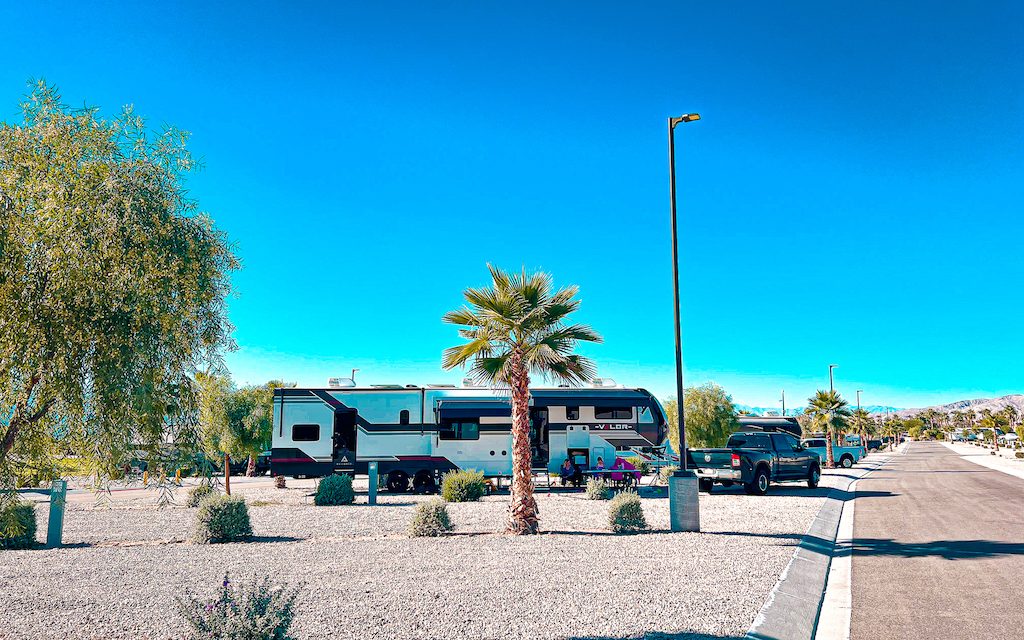
For us, we reached a point where we knew that we needed a new layout and more space inside the RV. We couldn’t just add-on like you can a sticks and bricks home, so for us, upgrading to a toy hauler was our only option.
The Long-Term Value Question
When evaluating the cost of upgrading your RV, the most important question isn’t, “What will this cost me this month?”
It’s, “What will this cost me (or save me) over the next five years?”
Upgrading can increase your monthly payment. It can reset depreciation. It can adjust insurance and registration. But it can also eliminate friction, increase travel flexibility, increase and reduce the likelihood of upgrading again in the near future.
Sometimes staying in a layout that no longer fits ends up costing more in the long run, both emotionally and financially. Shortened trips. Frustration. Constant modifications. Or eventually making a rushed upgrade decision because you waited too long.
The long-term value of upgrading isn’t just financial. It’s experiential.
If a new layout allows you to travel longer, boondock confidently, reduce stress on travel days, and grow with your family, that value compounds over time.
The smartest upgrades aren’t emotional purchases. They’re strategic adjustments made with clarity about the next several years and not just the next few months.
Final Thoughts: Upgrade for Alignment, Not Pressure
Upgrading your RV is a big decision. It affects your budget, your travel plans, and your long-term goals.
But it doesn’t have to feel overwhelming.
When you understand the full financial picture, like trade-in value, taxes, financing, insurance, tow vehicle considerations, depreciation, and modification options, you move from guessing to planning.
And planning brings confidence.
The goal isn’t to constantly upgrade. It’s not to chase the newest model or the biggest layout. It’s to make sure your RV supports the life you’re trying to build.
If your current setup still works well, there’s nothing wrong with staying put and maximizing what you have.
But if you’ve clearly outgrown it and if the friction is real, consistent, and structural, then upgrading can be one of the smartest decisions you make.
The key is clarity.
When the numbers make sense and the layout aligns with your next season of travel, upgrading stops feeling like a luxury and starts feeling like a strategic move.
And that’s the difference between reacting… and choosing wisely.

Written By: Chris & Amanda Stocker (Type1Detour)
Full-time RVers traveling the country in our Alliance Valor.