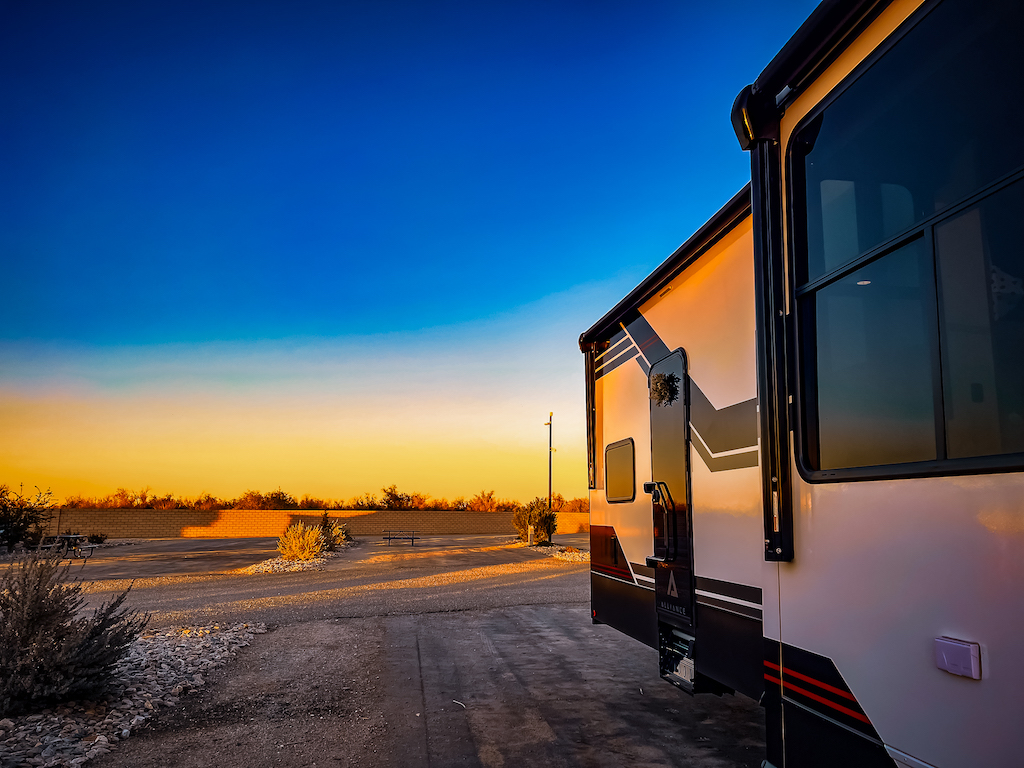
If the words RV maintenance immediately make you feel overwhelmed, intimidated, or like you’re already behind, you’re not alone.
Many people step into RV ownership without ever having changed oil, worked on a vehicle, or fixed anything more complicated than a loose screw.
And that’s okay.
Here’s the truth: you don’t need to be handy to be a successful RVer.
You don’t need to be a mechanic.
You don’t need a garage full of tools.
What you do need is a basic understanding of what to pay attention to, what to check occasionally, and when to ask for help. This guide is for weekend campers, vacation RVers, fulltime RVers and anyone who wants to enjoy their RV without feeling like maintenance is a constant source of stress.
In simple terms, RV maintenance for beginners comes down to three things:
- Noticing small changes early
- Understanding what’s normal for your RV
- Knowing when to ask for professional help.
You don’t need mechanical skills to keep an RV in good shape, you just need awareness and support.
RV Maintenance Doesn’t Have to Be Intimidating
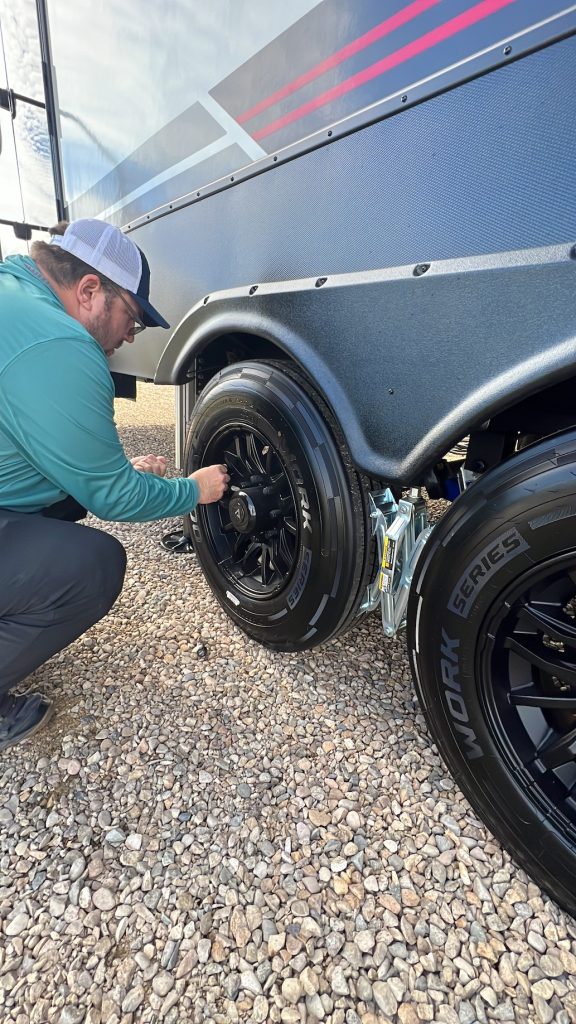
For many new RV owners, maintenance feels like the most overwhelming part of the lifestyle. There are switches you’ve never used before, systems you didn’t grow up with, and the constant fear that doing something wrong could cause expensive damage. It’s easy to feel like everyone else knows what they’re doing while you’re just hoping nothing breaks. The reality, though, is that most RV owners start in the exact same place, which is learning as they go and figuring things out one step at a time.
RV maintenance is far less about technical skill and far more about awareness. You don’t need to know how to repair every system or diagnose complex problems on your own. What matters most is paying attention, recognizing when something doesn’t look or feel right, and addressing issues early instead of ignoring them. Once you shift your mindset from “I have to fix everything myself” to “I just need to know when to ask for help,” RV maintenance becomes far more manageable and far less intimidating.
RV maintenance doesn’t mean your RV should be perfect at all times. It also doesn’t mean something is “wrong” if a drawer loosens, a seal needs attention, or a system needs adjusting. RVs are designed to move, flex, and travel over thousands of miles, and that movement naturally creates wear. Understanding that small maintenance tasks are part of normal ownership helps set realistic expectations from the start.
Instead of thinking of RV maintenance as fixing problems, it’s more helpful to think of it as managing a living system. Your responsibility isn’t to diagnose every issue or handle major repairs, but it is to notice changes, respond early, and involve professionals when needed. When you stop expecting perfection and start expecting normal wear and upkeep, RV maintenance feels less like a burden and more like a manageable part of the RV lifestyle.
The Only RV Maintenance Rule That Truly Matters
If there’s one rule that simplifies RV maintenance more than any checklist or manual, it’s this: don’t ignore small issues. Most expensive RV repairs don’t come from sudden failures, they come from minor problems that were easy to overlook at first. A small water stain, a soft spot, a strange noise, or a slow-moving slide often starts as something manageable, but it becomes costly when it’s left unaddressed.
Paying attention early gives you options. It allows you to ask questions, schedule service before a trip is ruined, or get guidance before damage spreads. You don’t have to know how to fix the issue, you just need to recognize that it exists.
In RV life, awareness beats skill every time.
Catching problems early is the single most effective form of maintenance there is, especially for people who don’t consider themselves handy.
The “Look, Listen, Feel” Method (No Tools Required)
One of the easiest ways to stay on top of RV maintenance without tools or technical knowledge is to get familiar with how your RV normally looks, sounds, and feels. When something changes, your RV will usually give you clues.
Visually, this might mean spotting a new water stain, cracked sealant, loose trim, or something that just doesn’t look the way it did before. These visual cues are often the earliest warning signs, and catching them early can prevent much larger issues.
Listening and feeling are just as important. New noises, slower movement, grinding sounds, or systems that suddenly feel strained are all signals worth paying attention to. If a slide moves differently than it used to, a pump sounds louder, or something vibrates that never did before, that’s your cue to pause and investigate.
Again, you don’t need to diagnose the problem, you just need to notice it.
By routinely using the look, listen, and feel method, you can catch most issues early and decide whether something needs simple attention or professional help before it becomes a major repair.
The Absolute Basics Every Non-Handy RVer Should Know Before Their First Trip
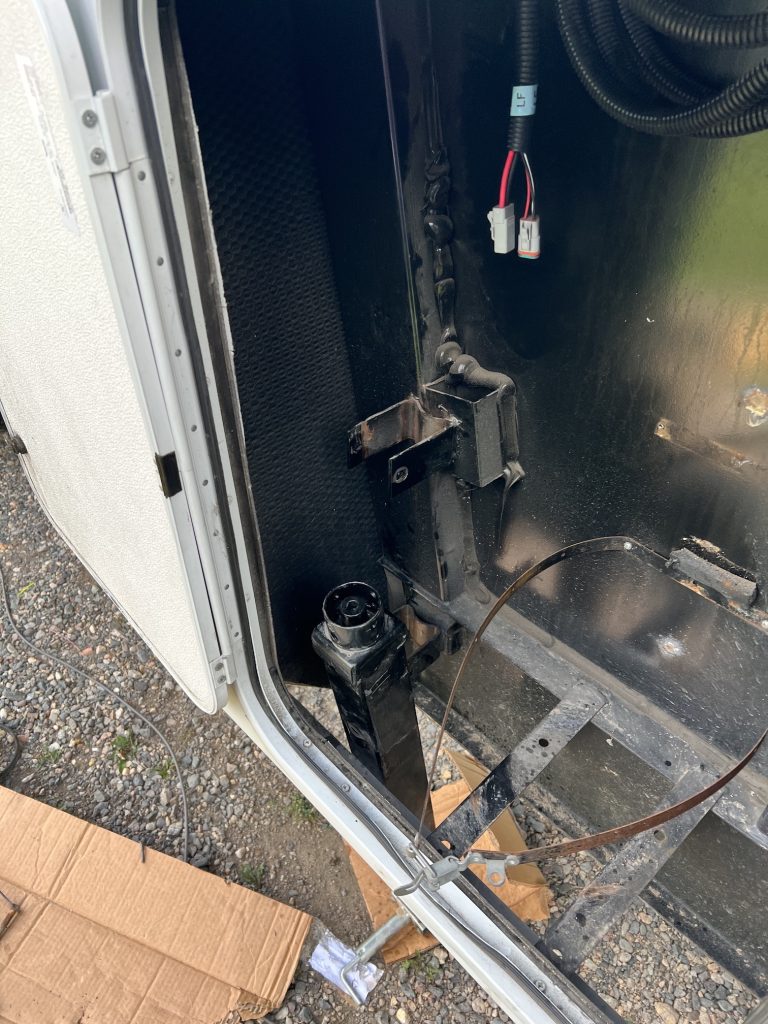
You don’t need to understand how every system works, but you do need to know where things are and what they control. Knowing the location of your breaker panel, water pump, propane shutoff, battery disconnect, and tank valves gives you instant control in everyday situations. When something stops working, being able to answer simple questions like “Are we plugged in?” or “Is the pump on?” can solve the issue immediately or help a technician diagnose the problem much faster.
It also helps to understand what’s normal for your RV.
How long does it take your water heater to warm up?
How quickly do your tanks usually fill?
How does your RV sound when everything is working properly?
These baseline expectations are what allow you to recognize when something is off. You don’t need mechanical skills to be confident, you just need familiarity. Once you know what’s normal, you’ll feel far more in control, even when something unexpected comes up.
What You Do NOT Need to Know
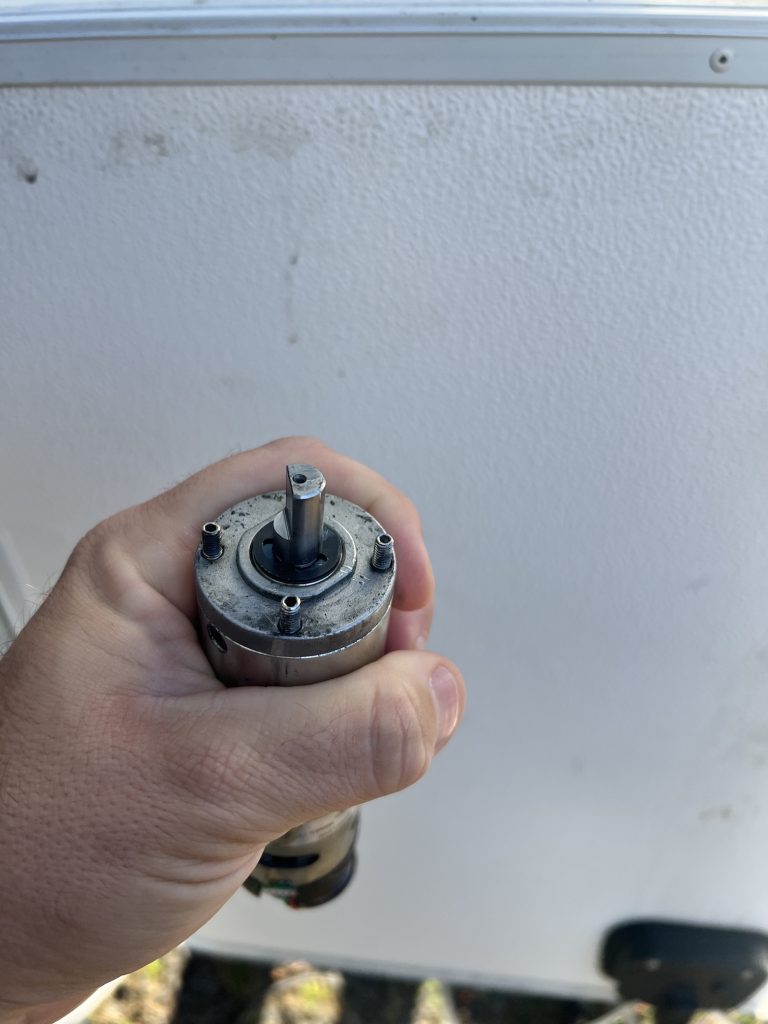
One of the biggest sources of stress for new RV owners is thinking they’re supposed to know how to fix everything. You are not expected to handle engine repairs, advanced electrical work, structural issues, major plumbing problems, or anything that requires specialized tools or certifications.
Those jobs are meant for trained professionals, and attempting them yourself can often make things worse, or even unsafe.
Being a responsible RV owner doesn’t mean doing all the work yourself; it means knowing when not to.
Understanding your limits protects both you and your RV. Calling a service center, mobile technician, or support service early is often faster, safer, and less expensive than trying to troubleshoot something beyond your comfort level.
Letting professionals handle complex repairs isn’t a weakness, it’s one of the smartest decisions a non-handy RVer can make.
The Most Common Maintenance Mistakes Beginners Make
Most maintenance mistakes beginners make aren’t caused by neglect, they’re caused by uncertainty. New RVers often notice something small, like a minor leak, a loose seal, or a strange sound, but hesitate to act because they’re not sure if it’s serious.
That hesitation can turn a simple fix into a costly repair.
Follow Us on Instagram!
Another common mistake is assuming RV systems work like those at home, which leads to issues like leaving water pumps on unnecessarily, misusing propane appliances, or misunderstanding how electrical systems switch between shore power and batteries.
Another frequent issue is waiting too long to ask for help. Many beginners try to “wait it out,” hoping a problem resolves itself or only shows up once.
In reality, RVs rarely fix themselves. Problems tend to grow the longer they’re ignored.
Other mistakes include forgetting to check seals regularly, overlooking tire age, or forcing slides, jacks, or stabilizers when something doesn’t feel right. These aren’t bad habits, they’re learning moments.
Once you recognize these patterns, it becomes much easier to avoid them and keep your RV in good shape without feeling overwhelmed.
Simple Habits That Save Thousands

The most expensive RV repairs are often preventable, and the difference usually comes down to simple habits. Taking a few minutes each month to do a quick walkaround, check seals, glance at tires, and look for anything out of place can catch problems before they escalate. These small check-ins don’t require tools or expertise, just consistency.
Over time, they become second nature and dramatically reduce the chances of being surprised by a major repair.
Another habit that pays off is addressing issues sooner rather than later. Scheduling service early, asking questions when something seems off, and keeping basic notes about maintenance or changes helps you stay ahead of problems.
Even something as simple as writing down when you last checked seals or replaced a battery gives you a clearer picture of your RV’s condition. These small, repeatable habits don’t just protect your RV, they protect your travel plans, your budget, and your peace of mind.
Knowing When to Ask for Help Is a Strength
One of the most important skills you can develop as an RVer isn’t fixing things, it’s knowing when something is outside your comfort zone. If a problem involves safety, structural components, major electrical systems, or anything that feels overwhelming, that’s your sign to pause and get help. RVs are complex systems, and there’s no benefit in pushing through a repair just to prove you can do it yourself.
Trusting your instincts and stopping early often prevents bigger issues down the road.
Asking for help also saves time and stress. Mobile RV technicians, dealership service departments, and support tools exist specifically to help owners who don’t want to, or shouldn’t, handle certain repairs themselves.
Getting professional input early can mean the difference between a quick fix and a trip-ending problem. Smart RV ownership isn’t about doing everything solo; it’s about using the right resources at the right time so you can stay focused on enjoying the journey.
When We Needed Help: A Real RV Fix Story
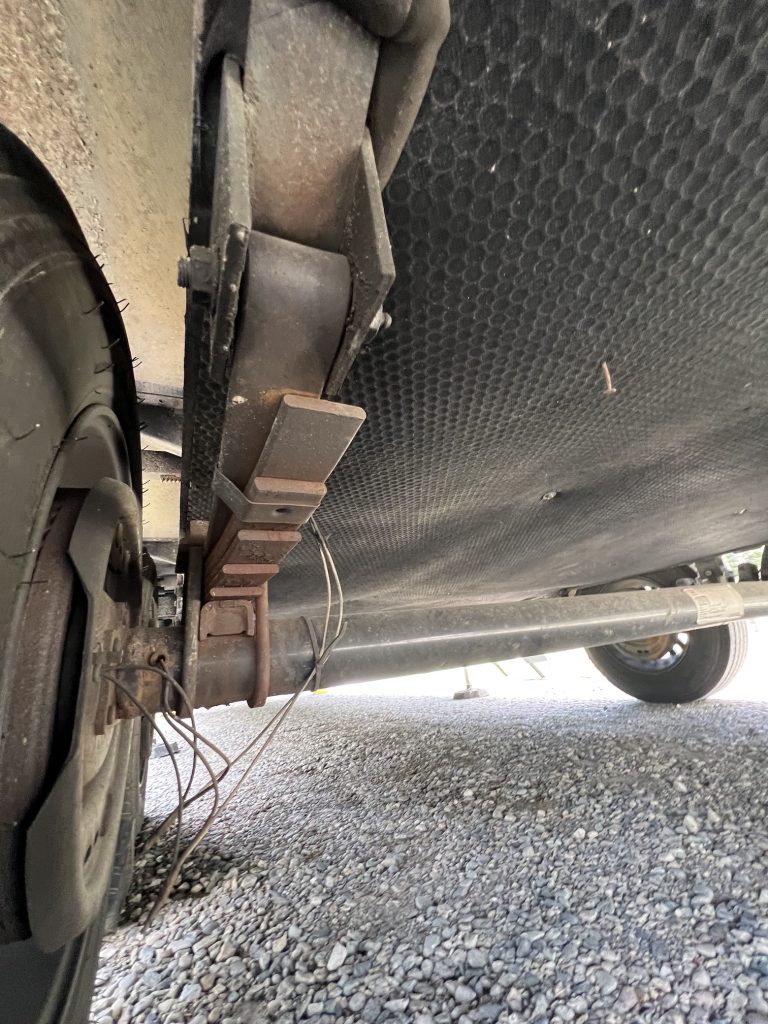
One of the most stressful moments we’ve had on the road happened on a travel day when our slide simply would not come in. We were packed up, checkout time was approaching, and suddenly the RV was going nowhere. We did what most RVers do, we started troubleshooting on our own. We checked fuses, tried resetting the system, searched YouTube, and followed every step we could find online.
Nothing worked.
The slide wouldn’t budge, and the pressure was building fast.
That’s when we decided to use RV Fix by Bish’s.
Instead of guessing or forcing anything, we connected with a certified RV technician through a FaceTime call. Within minutes, they were walking us through targeted checks based on our specific RV and slide system. They helped us pinpoint the issue, explained what was happening in plain language, and guided us through the exact steps needed to safely resolve the problem.
What could have turned into a ruined travel day, or a costly mistake turned into us getting the slide in manually and getting to our next destination. We did not have the proper tools or confidence to fix the problem, so RV Fix was able to coordinate a mobile RV tech at our next campground to come visit us to help us resolve the problem.
That experience reinforced something we already believed: you don’t need to know how to fix everything yourself, you just need access to the right help when it matters most.
Final Thoughts: You Don’t Have to Be Handy to Be a Confident RVer
RV maintenance isn’t about knowing how to fix everything, it’s about paying attention, taking small steps, and knowing when to ask for help. You don’t need mechanical experience or years of knowledge to be a responsible RV owner. Most of what keeps an RV in good shape comes down to awareness, consistency, and addressing issues early instead of ignoring them. Confidence grows with experience, and every trip teaches you something new.
If you’re just getting started, give yourself grace. You’re going to learn as you go, and that’s exactly how RV life is meant to work. With the right habits and the right support in place, maintenance becomes manageable instead of intimidating. The goal isn’t perfection, it’s enjoying the journey, solving problems as they come, and spending more time making memories than worrying about what might go wrong.
Most importantly, don’t forget to Create Your Own Detour!

Written By: Chris & Amanda Stocker (Type1Detour)
Full-time RVers traveling the country in our Alliance Valor.