Every year, RV show season gives us the first real clues about where the industry is headed. And if 2026 is shaping up to be anything, it’s shaping up to be different, smarter, and more segmented than what we’ve seen in years past.
Our favorite expert, Josh the RV Nerd, recently shared a wide-ranging industry update from Bish’s RV, covering everything from RV show sales trends and changing buyer behavior to new technology, used RV pricing, safety concerns, and even Honda entering the RV space.
Let’s break down what actually matters, and what it means if you’re thinking about buying, selling, or traveling in an RV this year.
Table of Contents
RV Show Season
What’s Selling
Costco
Identify
Honda
Safety
Workamping
New Tech
Fuel Prices
2026
RV Show Season: Fewer People, More Buyers
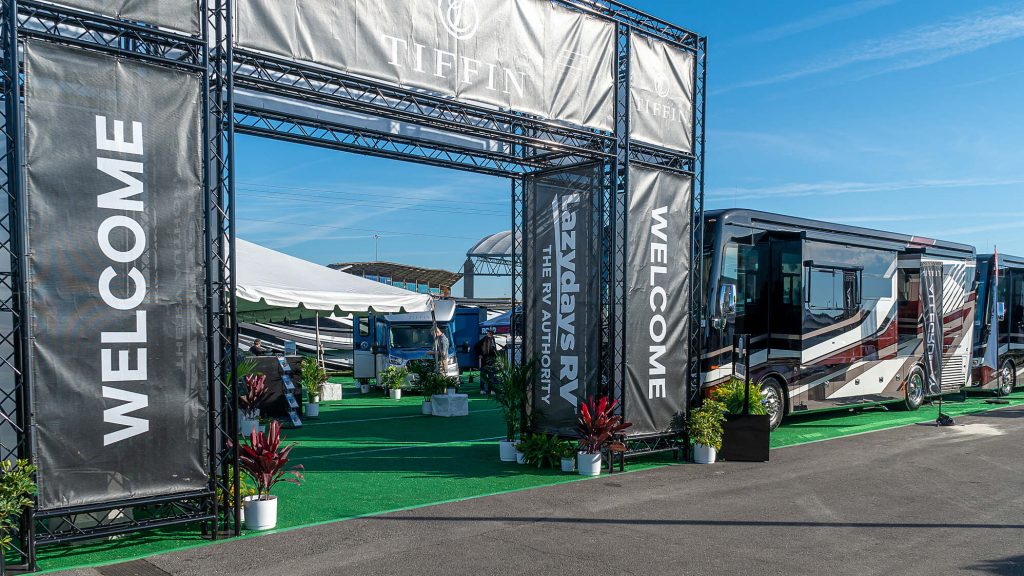
One of the biggest indicators each year is the Tampa RV Show. This year, ticket pre-sales were up over 40%, but actual attendance was down about 4% — however, we believe severe weather played into the decrease. Here’s the interesting part, sales were strong and in many cases, they were better than last year.
This continues a trend we’ve seen for a while now:
- Fewer people attending RV shows
- But a higher percentage of those people are serious buyers
The Three Types of RV Show Attendees
Josh breaks RV show crowds into three groups:
- The “Never Buyers” – Just there to look and dream.
- The “Someday Buyers” – Learning, researching, 6 months to 6 years away.
- The “Today Buyers” – They’re there to purchase.
What’s missing lately? That big middle group. Why?
Because the internet now does most of the education. YouTube, reviews, walkthroughs, and forums mean buyers often show up already knowing exactly what they want.
A Shift in Buying Patterns
- Thursdays are becoming strong buying days (get in, buy, leave before crowds).
- Fridays are softer.
- Saturdays are still chaos.
- Sundays are often “decision day” for people coming back to finalize a deal.
What’s Selling (And What Isn’t)
One reason Tampa-style shows can look different year to year is the mix, not just the crowd. RVBusiness’ reporting from the 2026 SuperShow highlights strong performance across multiple brands and segments when dealers brought the right inventory for what buyers wanted
At recent shows:
- Laminated, higher-end brands like Grand Design, Brinkley, Alliance, and Jayco did very well.
- Entry-level “stick and tin” family campers underperformed at shows.
But here’s the key, the entry-level RVs are still selling. Families just aren’t using RV shows to shop for them anymore.
Instead, RV shows are increasingly becoming places to:
- Finalize higher-dollar decisions
- Talk to factory reps
- Get reassurance before writing a big check
Costco Selling RVs? Sort Of.

Costco is not operating as an RV dealer here. The program is effectively an RV discount/lead funnel through the Costco Auto Program that routes to Camping World inventory and pricing rules. Costco’s own pages describe the offer as Camping World’s Lowest Advertised Price plus an additional Costco member discount.
The reality:
- Costco is not an RV dealer.
- The program is fulfilled through Camping World.
- It’s similar to Costco’s car-buying program.
Pros:
- Simple, convenient, fixed pricing
Cons:
- “Lowest advertised price” does not always mean lowest possible price
- No real consultation on:
- Towing
- Payload
- Setup
- Service strategy
RVs are too complex for most buyers to treat like cookie cutter purchase. “Lowest advertised price” is not the same as “lowest possible out-the-door deal,” and a one-click mindset doesn’t offer the most RV-specific parts of buying… towing match, payload, hitch setup, service expectations, and ownership readiness. Costco’s program is optimized for simplicity, but RV ownership is optimized for preparation.
Identity Theft + Public Wi-Fi: A Bigger RV Problem Than People Think
As more RVers work from the road, the use of campground and public Wi-Fi use rises, which can increase exposure to scams, insecure networks, or hackable hotspots. The FTC advises treating public Wi-Fi as potentially insecure and avoiding sensitive activities unless you’re confident the connection is protected (and even then, caution is warranted).
Road-tested best practice:
If you’re full-timing or remote working, consider your internet like a safety system:
- Use a personal hotspot/cellular router or Starlink for sensitive logins
- Turn off auto-join for unknown networks
- Save banking, payroll, and account resets for trusted connections
With more people:
- Working remotely
- Traveling full-time
- Using campground Wi-Fi
…identity theft is becoming a real issue.
Simple Rule:
Don’t do banking or sensitive logins on public Wi-Fi.
Better options:
- Your own cellular hotspot
- Starlink
- Secure personal connections
Honda Is Entering the RV World
This isn’t rumor anymore, Honda has an official Base Station Prototype travel trailer initiative, positioned as a lightweight, modular, tech-forward concept aimed at making camping more accessible (and notably towable by compact SUVs like the CR-V).
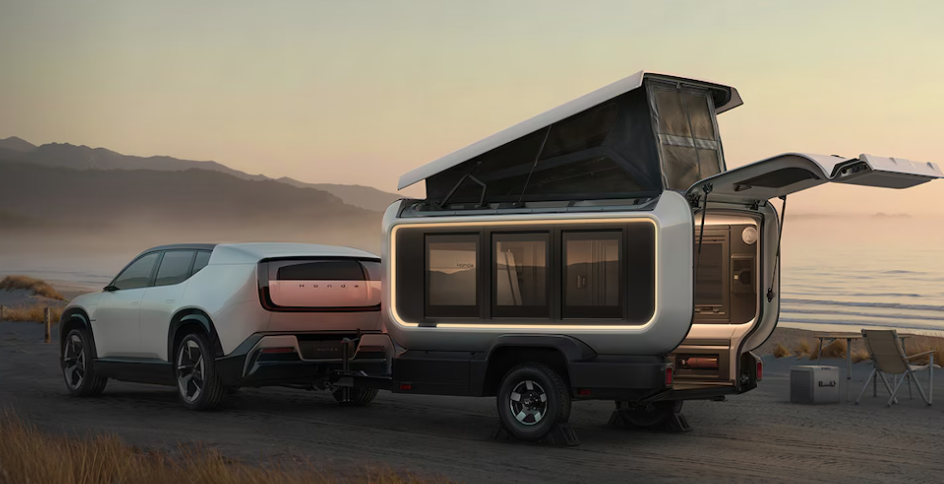
Key ideas:
- All-electric
- Lithium, inverter, solar standard
- Pop-top roof
- Fits in a garage
- Designed for CR-Vs and similar vehicles
This could be the beginning of a much bigger shift – similar to how Japanese brands reshaped the auto industry decades ago.
Safety: Touchscreens + Towing = Real Risk
AAA studies have found that interacting with in-vehicle tech, whether voice-based or touchscreen, can create high visual and cognitive demand, which is exactly what you don’t want while driving.
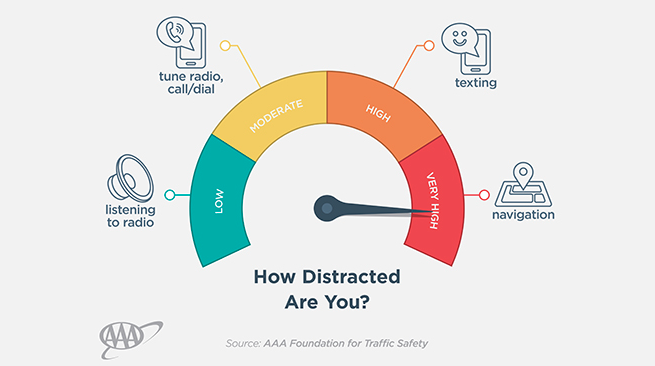
Modern vehicles are filled with touchscreens controlling:
- Climate
- Navigation
- Entertainment
- Settings
Studies show this leads to:
- Slower reaction times
- More swerving
- Erratic braking
Now add 8,000–12,000 pounds of trailer behind you.
Use:
- Adaptive cruise control
- Lane keep assist
- And set things up before you drive.
Actionable towing takeaway:
Before you roll, set navigation, climate, music, and trailer monitoring. If you’re making changes, do it stopped. “Just a second” becomes a big deal when you’ve got thousands of pounds behind you.
Workamping Is Changing
Camping has grown significantly since 2019, and KOA’s reporting points to demographic and lifestyle shifts… more campers, more younger households, and more people blending travel with work.
Traditionally, campground hosts and workers skewed older. That’s changing fast.
Now we’re seeing:
- Younger families
- Remote-working parents
- Kids and teens helping out at campgrounds
- Longer seasons, more flexible staffing
Campground culture is getting younger, more mobile, and more family-based.
New Tech: A/C Units That Also Heat
Heat strips and add-on electric heating for RV A/C systems have been around, but they’re getting more attention because they can reduce propane dependence in shoulder season and “take the chill off” without firing the furnace. Furrion’s own heat strip kits describe that exact use case and the typical temperature band where this helps most. Furrion’s new Chill Cube systems now offer electric heat integration.
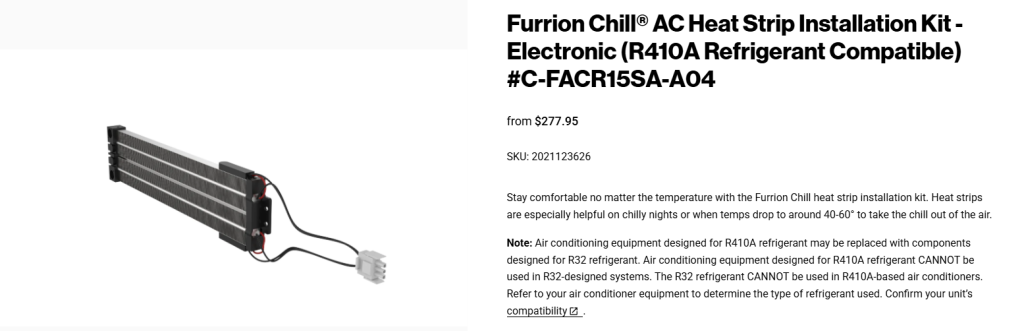
If an RV can deliver comfortable electric heat through existing systems, some shoppers care less about having a visible “fireplace feature” and more about:
- Could replace fireplaces
- Could eliminate the need to upgrade from 30A to 50A service
- Uses existing ducting
- Saves space
- Simplifies wiring
The big question: Do you want the look of a fireplace, or just efficient electric heat? The ambiance is nice, but comfort and efficiency wins arguments in the real world.
Fuel Prices: A Little Good News
Fuel isn’t everything, but it absolutely influences how far people feel comfortable traveling and how often they say “yes” to longer trips.
AAA reported that early 2026 brought the lowest national average gas price since 2021, explicitly noting the last comparable low point as March 2021.
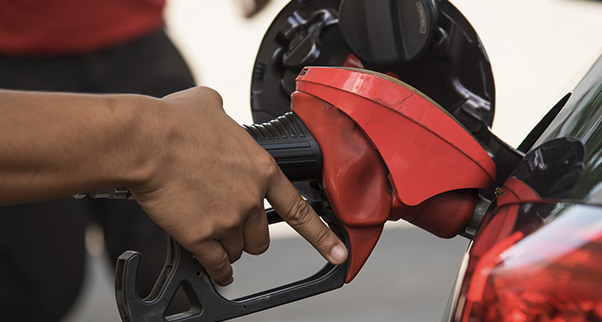
Gas and diesel prices are the lowest they’ve been since around 2021 (on average).
EV charging rates have stayed surprisingly flat.
This could mean:
- More people traveling farther
- More road trips
- More flexibility in trip planning
The Used RV Market Is Finally… Normal
After the chaos of pandemic-era pricing, the market has been settling. Even industry-facing coverage heading into 2026 describes improved balance and a more stable posture versus the volatility RV buyers felt in prior years.
After years of chaos:
- Used RV values are stabilizing
- Supply is a little high
- Dealers are taking in lots of trades during show season
What This Means for Buyers
There may be a sweet spot:
- Right after show season
- Before peak summer demand
Dealers may be more flexible to move used inventory and free up cash.
Prices usually:
- Dip in spring
- Rise into summer
Show season tends to bring in trade-ins, which can temporarily swell used inventory. When dealers have more cash tied up in used units, you can sometimes see more willingness to move them, especially in the window after spring shows and before peak summer demand fully ramps.
What 2026 “Feels Like” So Far

In other words, 2026 isn’t shaping up to be a chaotic or uncertain year for RVing, it’s a more informed one. Buyers are showing up with clearer expectations, the market is settling into something far more predictable, and technology is continuing to push the ownership experience forward.
Put all these signals together, and 2026 looks like a year where:
- Buyers are more educated before they ever step on a lot
- Convenience funnels (like Costco-style programs) will grow, but won’t replace real RV guidance
- Used values are stabilizing, making timing and selection more predictable
- Tech is accelerating (and safety discipline matters more than ever)
- Camping lifestyles continue expanding into work + longer stays
For shoppers who take the time to understand their needs, focus on safety and long-term value, and lean into real guidance over shortcuts, this could be one of the smartest and most confident years to step into RV ownership.

Written By: Brooke Erickson
Some say I am a writer, I like to say I am a storyteller