New year, new camping season… and a lot of moving pieces behind the scenes!
If you’ve been wondering:
- “Is now finally a good time to buy used?”
- “Are prices going up or down in 2026?”
- “What’s changing with tow vehicles, EVs, and power systems?”
- “Are more companies entering the RV space?”
then this industry update is your shortcut!
Below you will find a simplified, buyer-focused breakdown of the biggest market signals, tech shifts, and travel trends shaping the 2026 RV season. And as always, we leaned our RV expert, Josh “the RV Nerd.”
Table of Contents
Honda Entering the RV Market? (And Why It Matters)
Bish’s RV Expands to California: Cordelia RV in Fairfield
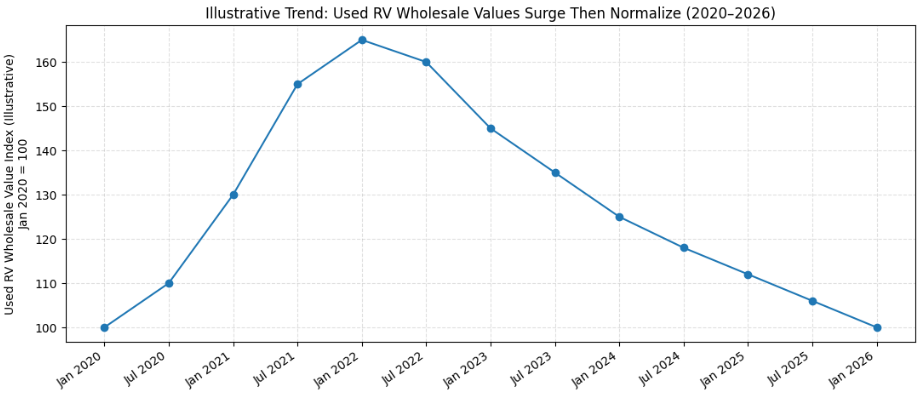
Used RV Values Are Back to Pre-2020 Levels
Seasonal Sales “Drops” Aren’t Doom—They’re Normal
National Parks May Get Safer: Proposed 911 Upgrades
Battle Born Enters Solar: A Bigger Push Toward Full Power Suites
Aussie Caravans Target the U.S. Market (Premium, Off-Grid Niche)
Canadian Snowbirds Shifting Away from the U.S.
CAFE Changes Could Impact Tow Vehicle Cost + Capability
Ford’s 700-Mile F-150 Lightning… With Gas as a Range Extender
Beyond Lithium: Sodium-Ion vs Semi-Solid-State Batteries
What This Means for RV Buyers in 2026
Honda Entering the RV Market? (And Why It Matters)
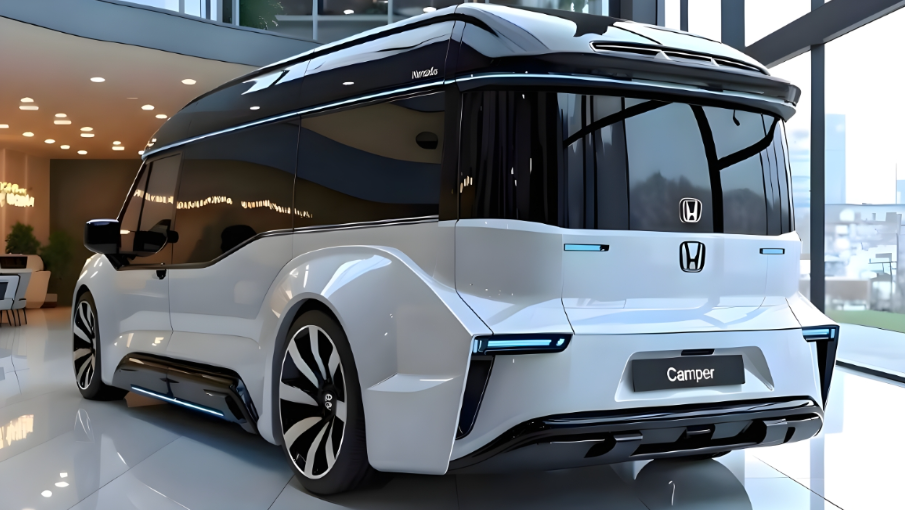
There’s growing chatter that Honda is developing an RV product, and not a huge travel trailer line right out of the gate.
The early concept being discussed looks like:
- Ultra-lightweight (around 1,500 lbs.)
- A “bed-in-a-box” style camper with a pop-top/popup roof, for daily commuting and weekend adventures.
- Designed to fit within the towing limits of current Honda SUVs/crossovers
- Potentially sold through Honda auto dealerships (not powersports outlets)
- Estimated price point: around $30,000
If that sounds oddly specific, it is, and that’s the point.
Why a small Honda RV could be a big deal
Even if Honda starts “small,” it could still ripple through the industry in a few ways:
- Quality expectations rise. Automotive brands tend to bring tighter QC and manufacturing discipline.
- New buyer segment unlocked. People who would never set foot in an RV dealership might impulse-consider a small camper while buying an SUV.
- More pressure on ultra-light brands. If a major automaker enters the lightweight space, it forces everyone else to sharpen their value.
The question buyers should ask
If outside manufacturers enter the RV market, Japan, Australia, or others… does it:
- Improve quality and innovation, or
- Drive prices up, especially in niche segments?
Honest answer: it can do both. Competition usually helps consumers long-term, but early products often come with premium pricing.
Bish’s RV Expands to California: Cordelia RV in Fairfield
One of the biggest “boots-on-the-ground” signals isn’t tech, it’s when dealers expand intentionally.
Bish’s RV announced that Cordelia RV in Fairfield, California is joining the Bish’s family, creating a first foothold in California and aligning with the high volume of customer requests for a West Coast presence.
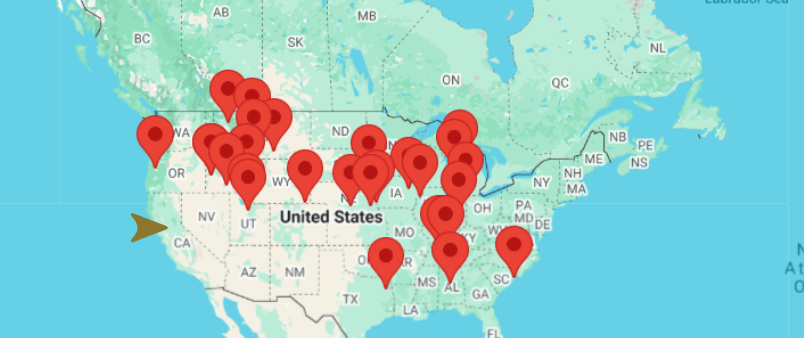
What’s notable here:
- Cordelia is known as a high-volume Brinkley dealer in Northern California
- The stated plan is to maintain current offerings and potentially add Wayfinder RV models over time
- It’s another example of slow, reputation-first growth rather than “buy everything everywhere”
Why it matters to shoppers: bigger service coverage, more regional inventory access, and a broader support ecosystem, which is especially important if you’re buying in a state where service availability can make or break ownership happiness.
Used RV Values Are Back to Pre-2020 Levels
Here’s the headline most shoppers have been waiting for:
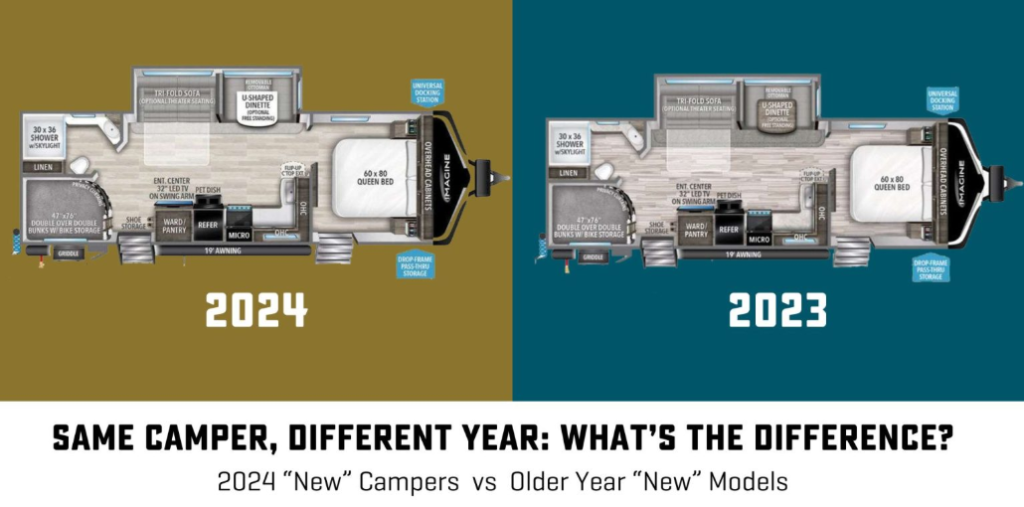
Wholesale used RV values have finally dropped back to pre-pandemic (early 2020) levels
That means dealer-to-dealer auction pricing has “reset” closer to what the market looked like before the world went sideways.
Why this is good news
If you’re:
- buying your first RV
- buying used with cash or financing
- buying without a trade
…you’re walking into a price-friendlier environment than the last few years.
Why it’s painful for some owners
If you bought during peak pricing and now want to trade:
- your trade value may feel like it fell off a cliff
- rates are higher than they were during the low-rate boom
- new RV pricing has also softened, which drags used values down further
It’s a double-edged sword:
- Great for new buyers
- Tougher for trade-dependent upgrades
Smart move if you’re unsure: consider renting or borrowing first, then buying used for your first rig, then going new later once you truly know your camping style.
Seasonal “Sales Plummets!” Headlines Aren’t Real Context

Every fall and winter, the internet panics!
RVing is seasonal. Cold-weather states slow down earlier. Shopping patterns shift. Headlines flatten reality into drama because drama gets clicks.
The better way to read RV market news:
- Look at multiple years of data
- Compare season to season, not month to month
- Watch pricing, incentives, and inventory, not just shipment headlines
Rule of thumb: If an article sounds like it’s trying to scare you, it probably is.
National Parks May Get Safer: Proposed 911 Upgrades
A proposed bill could improve emergency response systems inside national parks by:
- upgrading park-based 911 centers
- improving location data
- strengthening communication between state/county/tribal agencies
- enabling call forwarding during outages
Even with improvements, many remote areas may still have limited coverage because building infrastructure takes time.
Practical safety takeaway for RVers
If you camp in remote areas, consider:
- a satellite communicator
- downloaded offline maps
- a written itinerary shared with someone at home
Battle Born Enters Solar: A Bigger Push Toward Full Power Suites
Battle Born (under Dragonfly Energy) is expanding beyond batteries into solar panels, including:
- a portable 200W suitcase-style panel
- fixed roof panels ranging roughly 120W to 375W
This matters because the industry trend is clear:
RVs are moving toward more “all-electric” systems
And that means power matters more than it used to,especially for boondockers.
Quick tip that saves headaches: portable solar can be the simplest entry point because you can avoid drilling into your roof and still gain meaningful charging ability.
Aussie Caravans Entering the U.S. Market: Rugged, Premium, Niche
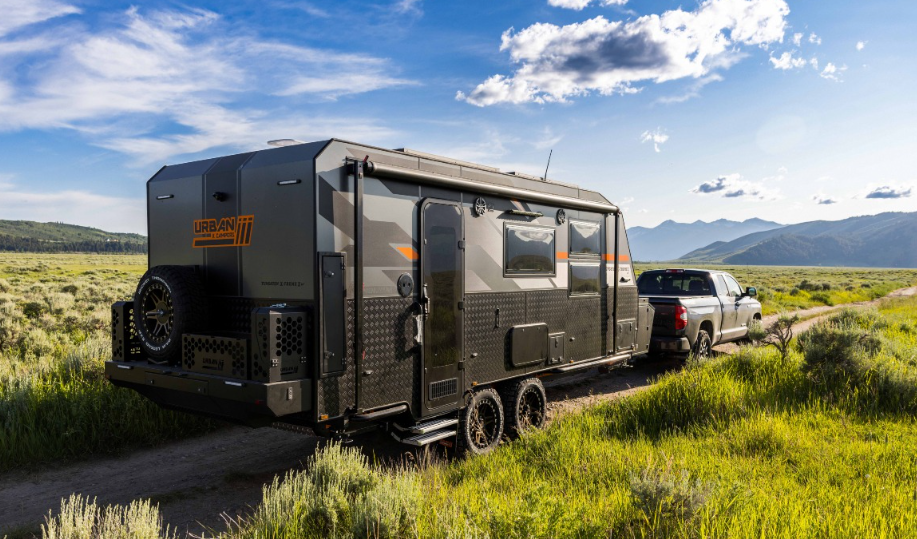
An Australian caravan company is reportedly building U.S. dealer partnerships with:
- a ~27’ tandem axle model around $145,000 MSRP
- a ~20’ single axle model around $115,000 MSRP
- rugged/off-grid positioning and specialty customization
These aren’t trying to compete with mainstream “stick-and-tin” value trailers. They’re playing in a different category, more like overland/luxury rugged travel.
Big question: will high-end imports stay niche, or will they raise expectations for durability and off-grid capability across the market?
Canadian Snowbirds Choosing Non-U.S. Destinations
There’s a reported shift: a majority of surveyed Canadian snowbirds are choosing non-U.S. warm destinations this season.
The leading driver appears to be cost, not politics:
- travel expenses
- lodging
- overall budget pressure
If this continues, it can affect:
- seasonal campground demand
- tourism dollars in winter hotspots
- local businesses that rely on snowbird seasons
CAFE Changes Could Impact Tow Vehicle Cost + Capability
A proposed shift in CAFE (fuel economy) standards could:
- reduce the fleetwide MPG target pressure (example figures discussed: ~50 down to mid-30s)
- slow annual MPG increases
- reduce/alter credit trading dynamics
What it could mean for RVers
- potentially lower vehicle upfront cost
- potentially easier access to more capable tow vehicles
- potential trade-off: lower average MPG long-term
Important limitation: this mainly affects passenger vehicles/light-duty trucks under 8,500 lbs GVWR, not motorhomes the same way.
Ford’s 700-Mile F-150 Lightning… With Gas as a Range Extender
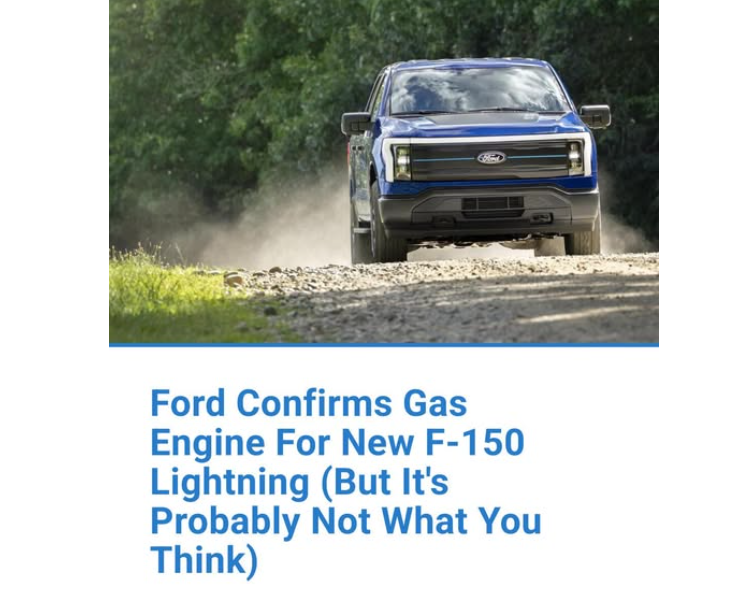
Ford announced a concept direction that will sound familiar:
extend EV range by adding gasoline, not for traditional drivetrain power, but as a generator/range extender.
For towable RV owners, this is a big deal because:
- EV towing range can drop dramatically compared to unloaded range
- longer “real road trip” capability has been a major adoption barrier
This hybrid-style approach could land in a sweet spot:
- plug-in convenience + exportable power
- less range anxiety on towing days
Beyond Lithium: Sodium-Ion vs Semi-Solid-State
Lithium has matured fast: safer chemistries, better pricing, better performance.
But the next wave being discussed includes:
Sodium-Ion
Pros: potentially cheaper, easier supply chain, less environmental strain in production
Cons: heavier, less energy dense
Best fit: stationary applications more than weight-sensitive RV use
Semi-Solid-State (and the path toward solid-state)
Pros: higher energy density, lighter footprint, potentially safer
Cons: likely more expensive early on
Best fit: RVs/boondocking where weight and usable power matter most
This matters because RV refrigeration and appliances are trending more electric, and power storage is becoming a bigger part of the ownership equation.
What This Means for RV Buyers in 2026
If you only remember a few things, remember these:
If you’re buying your first RV
- Used prices normalizing is a real opportunity.
- Start with used if you can—your first RV is usually your “learning rig.”
If you’re upgrading with a trade
- Be prepared for trade values to feel disappointing compared to peak-pandemic pricing.
- Your best strategy is to focus on the net deal and financing reality, not what your rig “used to be worth.”
If you boondock (or want to)
- Solar + battery conversations are only getting bigger.
- Portable solar is still one of the easiest, least-invasive upgrades.
If you tow big
- Tow vehicle policy + powertrain tech (hybrid, range-extender concepts) is worth watching closely.
- The truck market influences RV accessibility more than most people realize.
Quick FAQ
Is 2026 a good time to buy a used RV?
If you’re buying without a trade (or with a flexible trade expectation), 2026 is shaping up to be more buyer-friendly than the last few years because values have normalized.
Why are used RV prices dropping?
Used and new pricing are connected, as the new RV pricing softens, used values follow.
Should I wait for interest rates to drop?
If rates drop, buying power improves, but demand can increase too. The “perfect moment” usually disappears once everyone notices it. Focus on the total deal and monthly payment you can live with.
Is EV towing ready yet?
It depends on your camping style. Short-range trips can work now. Long towing days still push limits—range extender hybrids could be a meaningful bridge.
As we head into the 2026 camping season, the RV market feels less chaotic and more familiar than it has in years. Used prices have reset, technology continues to evolve, and while headlines may swing between hype and doom, the real story is one of normalization. For buyers, that means better opportunities ,especially if you’re patient, informed, and focused on how you actually plan to camp.
Whether you’re upgrading, downsizing, or buying your very first RV, the smartest move isn’t timing the market perfectly, it’s understanding it well enough to make a decision that fits your lifestyle, your budget, and the way you want to travel. Here’s to making memories in 2026!

Written By: Brooke Erickson
Some say I am a writer, I like to say I am a storyteller