Table of Contents
Part of RV Buying No One Talks About
What Often Happens After the Sale
What Should Happen After the Sale
Importance of Walkthroughs and Education
When Issues Happen on the Road
How Bish’s RV Approaches After-the-Sale Support Differently
Final Thoughts: You’re Not Just Buying an RV
The Part of RV Buying No One Talks About
Buying an RV is exciting. You picture the trips you’re going to take, the places you’ll see, and the freedom that comes with having your own home on wheels. For most people, the focus is on floorplans, features, and finding “the right rig.” And while those things matter, there’s a part of RV ownership that rarely gets talked about until it’s already happening.
What happens after the sale.
This is where a lot of RV owners feel caught off guard. The paperwork is signed, the RV is delivered, and suddenly you’re expected to know how everything works. Questions pop up on your first trip. Something doesn’t operate the way you thought it would. A system behaves differently than it did on the lot. And for many buyers, that’s the moment they realize how important the dealership relationship really is.
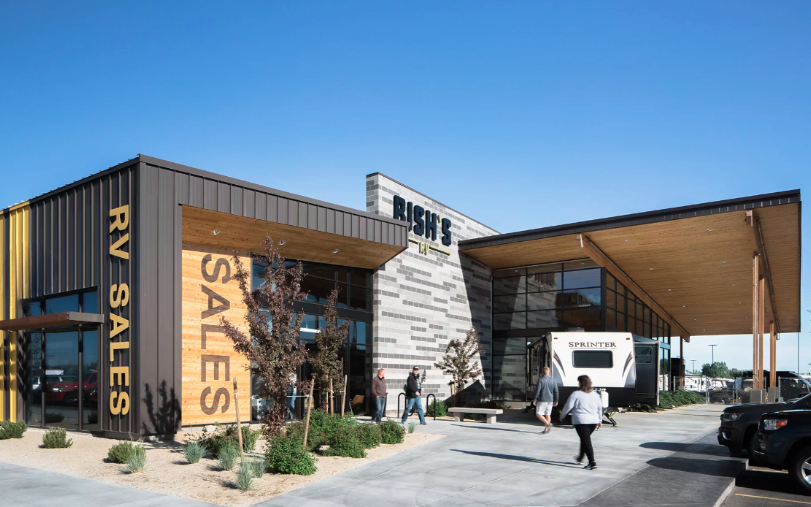
The truth is, RV ownership doesn’t begin when you drive off the lot, it begins when you start using your RV in real-world situations. That’s when walkthroughs matter. That’s when service access matters. That’s when having someone to call makes all the difference between a minor hiccup and a major source of stress.
This post isn’t here to criticize dealerships or sell you on one. It’s here to help you understand what a good RV dealership should do after the sale, and why that support plays a bigger role in your overall RV experience than most people realize. Whether you’re already an RV owner or still in the research phase, knowing what to expect after delivery can help you make a more confident, informed decision from the start.
Why After-the-Sale Support Matters So Much in RV Ownership
RVs are not simple purchases. They’re a combination of a home, a vehicle, and a collection of systems that most people have never interacted with before. Water, electrical, propane, slides, tanks, leveling systems….. everything works together, and everything behaves a little differently once you start using it outside of a dealership lot. That’s why after-the-sale support plays such a critical role in the overall RV ownership experience.
For most buyers, the first real learning happens after the sale. It happens on the first trip, the first travel day, or the first time something doesn’t work quite the way you expected. That’s when questions come up. That’s when uncertainty creeps in. And that’s when the quality of dealership support can either make you feel confident or completely on your own.
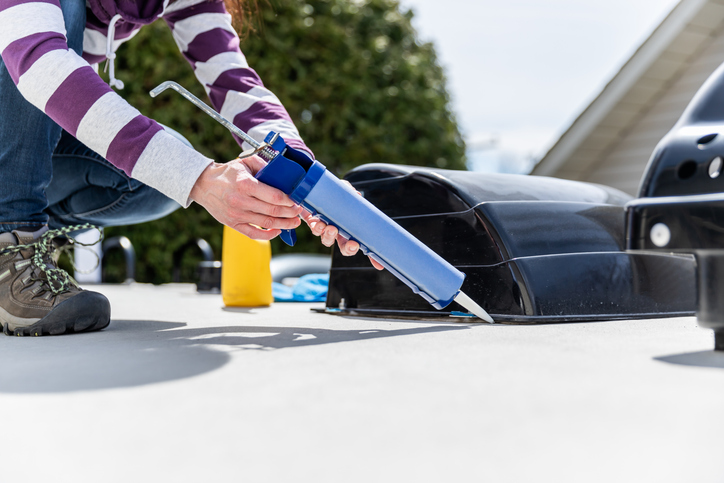
Without strong after-the-sale support, even small issues can feel overwhelming. A slide that won’t move, a water heater that isn’t heating, or a system that’s behaving differently than it did during delivery can quickly turn excitement into stress. Not because the issue is catastrophic, but because you don’t know who to call or what’s normal. Good aftercare fills that gap by providing reassurance, guidance, and a clear path forward when questions arise.
After-the-sale support also matters because RV ownership is a long-term relationship, not a one-time transaction. Your needs change as you travel more, gain experience, and start using your RV in different ways. Access to service, education, and honest communication over time helps owners stay proactive instead of reactive. It turns learning moments into confidence-building experiences instead of frustration.
Ultimately, the value of a dealership isn’t fully revealed on delivery day. It’s revealed weeks, months, and even years later when something comes up and you need support. That’s why understanding what happens after the sale is just as important as choosing the RV itself.
What Often Happens After the Sale (The Industry Reality)
For many RV buyers, the excitement of purchase fades faster than expected, not because they chose the wrong RV, but because they weren’t prepared for what happens next. After delivery, questions start popping up almost immediately.
In the RV industry, after-the-sale support can be inconsistent. Some dealerships provide a quick walkthrough, hand over the keys, and move on to the next sale. Others may offer support, but with long service wait times or unclear communication. This often leaves new RV owners feeling like they’re bothering someone just by asking questions, or worse, like they’re completely on their own.
One of the most common frustrations we hear from RV owners is feeling abandoned after the sale. Not intentionally, but structurally. Service departments are busy. Sales teams move on. And without a clear support process, owners don’t know whether an issue is normal, urgent, or something they should even be worried about. That uncertainty is what turns small problems into big stress.
Another challenge is expectation-setting. Many buyers assume RV ownership will feel similar to owning a car or staying in a hotel. When reality doesn’t match that expectation, disappointment sets in, not because RVing is bad, but because no one explained how different it actually is. Without guidance, first-time issues feel like failures instead of normal learning moments.
None of this means RV dealerships don’t care. It means the industry hasn’t always done a great job preparing buyers for the ownership phase that comes after the excitement wears off. Understanding this reality upfront helps you ask better questions, set better expectations, and choose a dealership that sees the relationship as ongoing, not finished once the paperwork is signed.
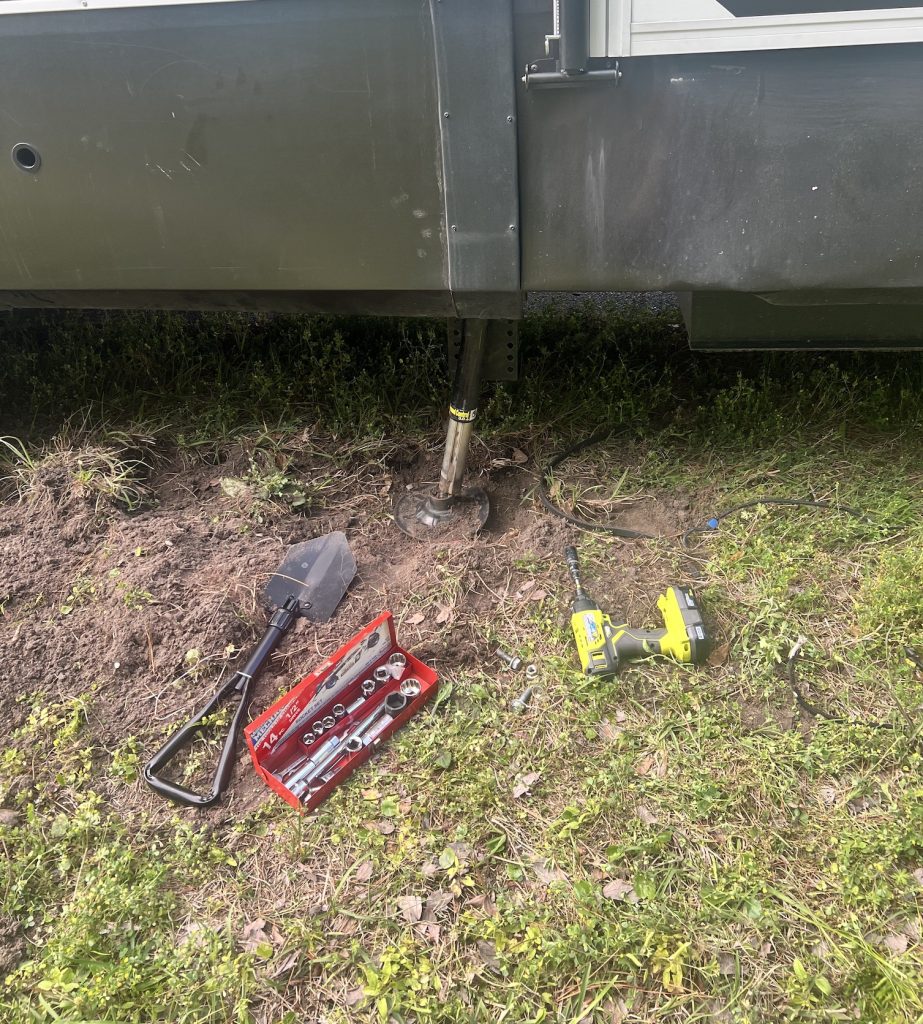
What a Good RV Dealership Should Do After the Sale
A good RV dealership understands that the sale itself is only the beginning of the ownership experience. Once you take delivery, the real learning starts and that’s where strong after-the-sale support matters most. At a minimum, a dealership should help you feel confident using your RV, not rushed out the door with unanswered questions.
After the sale, a good dealership should provide clear education around how your RV’s systems work in real-world conditions. That includes water, electrical, propane, slides, tanks, and basic troubleshooting. Not in a way that overwhelms you, but in a way that prepares you for your first few trips. You should walk away knowing what’s normal, what isn’t, and what to do if something doesn’t seem right.
Access to help is just as important as education. A good dealership should make it easy to know who to contact when questions come up. Whether that’s a service department, support line, or remote assistance option, owners shouldn’t be left guessing where to turn. Even simple reassurance, like confirming that something is normal, can prevent unnecessary stress.
Service support is another key piece. While no dealership can eliminate wait times entirely, a good one communicates clearly about expectations, timelines, and next steps. They help you understand whether an issue needs immediate attention or can be scheduled later. That transparency builds trust and helps owners plan instead of panic.
Most importantly, a good RV dealership treats after-the-sale support as part of the ownership journey, not an inconvenience. The goal isn’t just to deliver an RV, it’s to help you enjoy it long-term. When education, communication, and support are built into the process, RV ownership becomes far more manageable and far less intimidating, especially for first-time buyers.
The Importance of Walkthroughs and Education
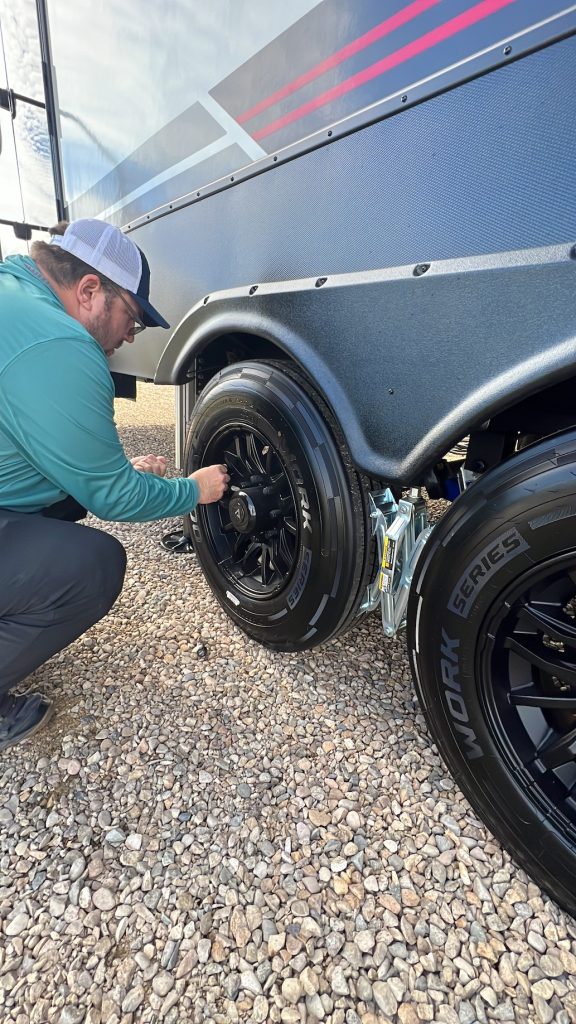
A walkthrough isn’t just a formality, it’s one of the most important parts of the RV buying process. This is where new owners move from simply liking an RV to actually understanding how to use it. A good walkthrough sets the foundation for everything that comes next, especially those first few trips when questions and uncertainty are at their highest.
Effective walkthroughs go beyond pointing at switches and listing features. They explain how systems work together and what to expect when you’re using your RV in real-world conditions. That includes understanding when systems behave differently on shore power versus battery, how tanks fill and empty, and what normal operation actually looks and sounds like. This kind of context helps prevent panic when something doesn’t work exactly the way it did on the lot.
Education also creates confidence. When owners understand the basics, they’re far less likely to feel overwhelmed when small issues pop up. Instead of assuming something is broken, they’re able to recognize whether it’s a simple adjustment, a learning moment, or something that truly needs service. That confidence alone can make the difference between enjoying a trip and feeling stressed the entire time.
We always recommend recording your walkthrough because it can be overwhelming and you will forget a lot. By filming, you can always go back and listen to what the RV tech or person doing the orientation explained.
Ongoing education matters just as much as the initial walkthrough. No one remembers everything on delivery day, and questions naturally arise once you start using your RV. A dealership that values education encourages follow-up questions and continued learning, rather than expecting owners to figure things out on their own. When education is treated as an ongoing process, not a one-time event, it sets owners up for a smoother, more enjoyable RV experience from the very beginning.
Service Support: What Real Aftercare Looks Like
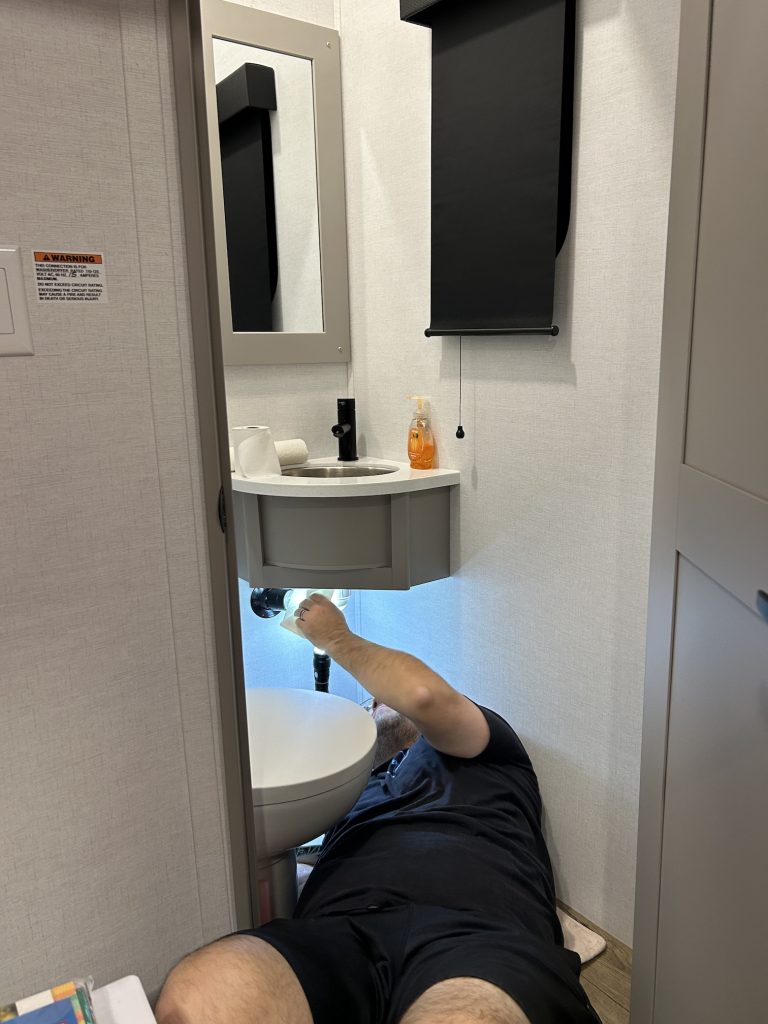
Service support is where the difference between a good RV dealership and a frustrating experience really shows. No matter how prepared you are, there will be moments when something needs attention, whether it’s routine maintenance, a warranty issue, or a question you weren’t expecting to have. Real aftercare means having a clear, supportive path forward when those moments happen.
Good service support starts with clear communication. Owners should know how to request service, what the process looks like, and what kind of timelines to expect. Even when a repair can’t happen immediately, transparency matters. Knowing whether something is urgent, safe to travel with, or better handled later helps owners make informed decisions instead of guessing.
Real aftercare also recognizes that not every issue requires an immediate in-person appointment. Many questions can be resolved with guidance, reassurance, or simple troubleshooting, especially for new owners still learning their RV. Having access to knowledgeable support helps prevent unnecessary stress, delays, or damage caused by trial and error.
Another key part of service support is understanding that RV ownership is long-term. Needs change over time as owners travel more, encounter different conditions, and gain experience. A dealership that supports owners beyond the first few months builds trust by staying engaged, offering help when needed, and treating service as part of the ownership relationship and not a separate or inconvenient department.
Most importantly, real aftercare makes owners feel supported instead of burdensome. Asking questions shouldn’t feel like an interruption, and service shouldn’t feel inaccessible. When support is approachable, responsive, and educational, owners are more likely to address issues early, travel confidently, and enjoy their RV instead of worrying about what might go wrong.
In RV ownership, service support isn’t just about fixing problems, it’s about providing peace of mind. And that peace of mind is what allows people to focus on the reason they bought an RV in the first place: enjoying the journey.
When Issues Happen on the Road (And They Will)
No matter how prepared you are, issues will eventually come up while you’re traveling. It might be a slide that won’t move, a system that behaves differently than expected, or a warning light that appears at the worst possible moment (often on a travel day when you’re trying to pack up and get moving.) These situations can feel especially stressful because you’re away from home and outside of your normal routine.
What makes these moments manageable isn’t avoiding them entirely. It’s knowing what to do when they happen. Most travel-day issues aren’t catastrophic, but they feel bigger because of the timing and uncertainty. You’re asking yourself whether it’s safe to move, whether you’re going to damage something, or whether you’re about to ruin the rest of your trip. Having access to real support in those moments changes everything.
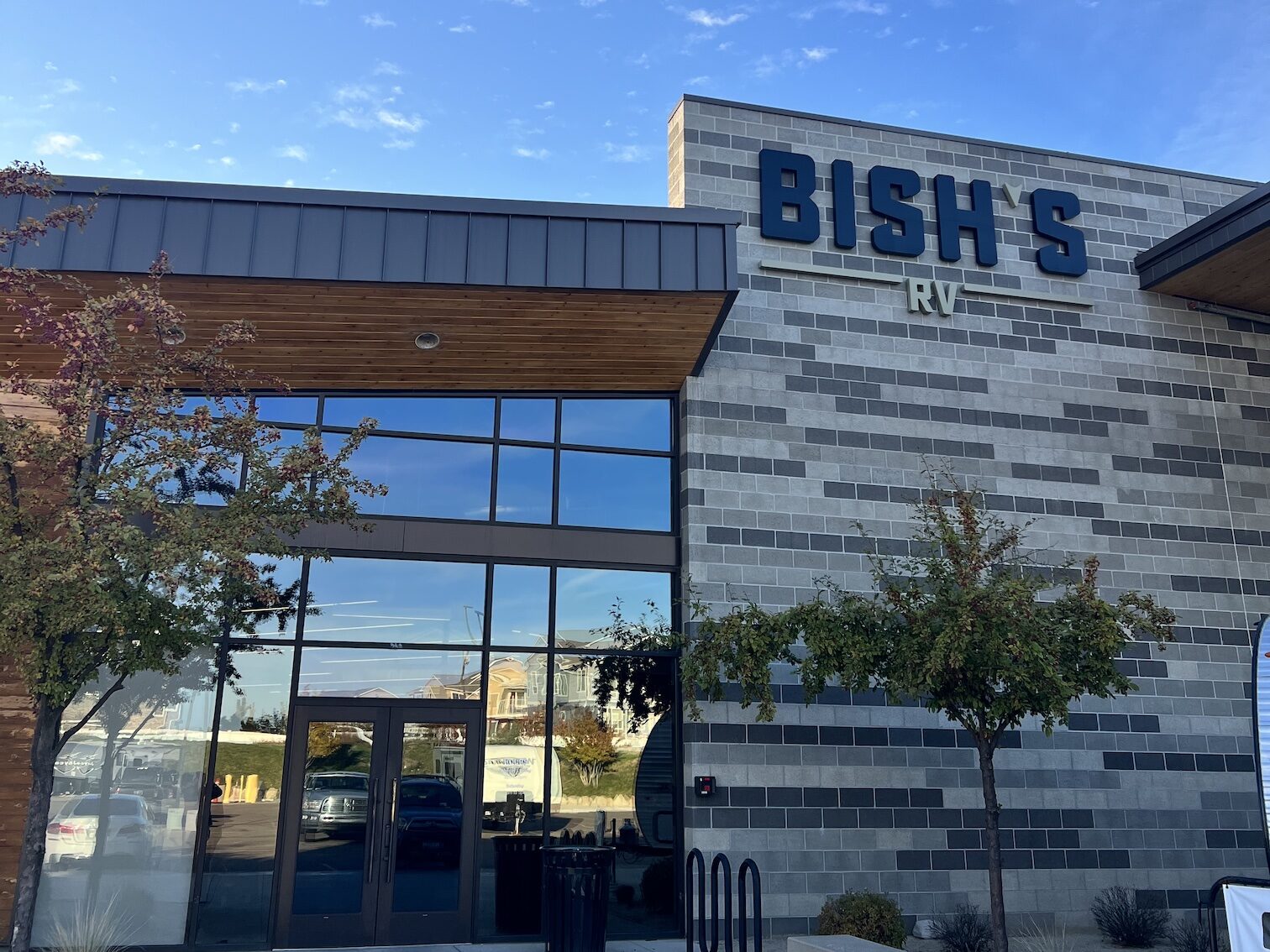
This is where remote support tools like RV Fix by Bish’s RV become incredibly valuable. Instead of guessing, forcing a system, or relying on random online advice, RV owners can connect directly with a certified technician who understands RV systems and can help diagnose the issue in real time. Sometimes that means walking through a simple fix. Other times, it means confirming that something is safe to travel with or helping coordinate next steps.
When we had a travel day and had the entire RV packed up ready to go, one of our slides would not go in. At that point, travel day was ruined and we weren’t going anywhere. This became a very stressful situation, however once we called in to RV Fix and figured out how we could solve this problem with a short-term fix in order to get the slide in and move on to our next destination, made the problem not feel as overwhelming.
Follow Us on Instagram!
We were able to get back onto the road and get to our next destination where a mobile tech was then able to come to our RV to help fix the problem.
Knowing that help is available on the road reduces panic and prevents small issues from becoming bigger problems. It also builds confidence. Over time, owners learn what’s normal, what needs attention, and when it’s okay to pause and ask for help. That support turns stressful moments into learning experiences instead of trip-ending setbacks.
Issues on the road are part of RV ownership, but feeling alone doesn’t have to be. When support follows you beyond the dealership lot, travel becomes less intimidating and far more enjoyable.
How Bish’s RV Approaches After-the-Sale Support Differently
What truly sets a dealership apart isn’t what happens on delivery day, it’s how they show up afterward. Bish’s RV approaches after-the-sale support with the understanding that RV ownership is a learning process, not a one-time transaction. The goal isn’t just to get someone into an RV, but to help them feel confident using it long after the excitement of purchase fades.
That starts with an education-first philosophy. Bish’s places a strong emphasis on helping owners understand their RV, not just admire it. Walkthroughs are treated as a foundation, not a formality, and questions are encouraged, before and after delivery. This approach helps new owners know what’s normal, what to watch for, and how to avoid unnecessary stress on their first trips.
Support also extends beyond the dealership through tools like RV Fix, which gives owners access to certified technicians when issues arise on the road. Instead of guessing or forcing a system, owners can get real guidance in real time. That kind of access changes the ownership experience, especially for people who don’t consider themselves handy or who are traveling far from a service center.
Service centers play an important role as well, but the difference is how they’re integrated into the overall ownership journey. Rather than feeling like a separate department you only deal with when something goes wrong, service is positioned as part of ongoing support. Clear communication, realistic expectations, and honest guidance help owners make informed decisions instead of feeling overwhelmed.
Ultimately, Bish’s operates with a long-term ownership mindset. The relationship doesn’t end when the paperwork is signed, it continues as owners travel, learn, and encounter real-world situations. That ongoing support is what helps RV ownership feel manageable instead of intimidating, and it’s why after-the-sale care matters just as much as the RV itself.
What Buyers Should Ask Any Dealership Before Purchasing
Before buying an RV, most people focus on floorplans, features, and monthly payments. Those things matter obviously, but they’re only part of the decision. Some of the most important questions to ask have nothing to do with the RV itself and everything to do with what happens after the sale.
One of the first questions to ask is: What kind of support do you offer after delivery? This helps set expectations early. Find out who you should contact if questions come up on your first trip, how support requests are handled, and whether there’s a clear process for getting help when something doesn’t feel right. Knowing this upfront can save a lot of frustration later.
It’s also important to ask about education and walkthroughs. How in-depth is the delivery orientation? Are questions encouraged? Is there support available after delivery if you forget something or want clarification? RV ownership involves a learning curve, and dealerships that prioritize education tend to create far more confident owners.
Service access is another key topic. Ask how service appointments work, what typical timelines look like, and whether there are options for help when you’re traveling. While no service department can eliminate wait times entirely, transparency around the process makes a big difference. It helps you understand what’s urgent, what can wait, and how to plan around maintenance.
You should also ask whether there’s remote or on-the-road support available. Issues don’t always happen at convenient times or close to home, and having access to guidance when you’re traveling can prevent small problems from becoming big ones.
Finally, don’t be afraid to ask how the dealership views the relationship after the sale. Do they see ownership as a long-term partnership, or is the focus primarily on the transaction? The answers to these questions often tell you far more than a sales pitch ever could.
Asking the right questions doesn’t make you difficult, it makes you prepared. And preparation is one of the best ways to ensure RV ownership starts on the right foot.
Final Thoughts: You’re Not Just Buying an RV
When you buy an RV, you’re not just purchasing a vehicle, you’re stepping into a long-term ownership experience. That experience is shaped just as much by support, education, and service as it is by the RV itself. Floorplans, features, and pricing matter, but what happens after the sale often determines whether RV ownership feels exciting or overwhelming.
Understanding the role a dealership plays after delivery helps you make a more confident decision from the start. Knowing who to call, what’s normal, and how issues are handled removes a lot of uncertainty. It turns unexpected moments into manageable ones and helps you enjoy your RV instead of worrying about what might go wrong.
The right dealership doesn’t just sell you an RV and send you on your way, it helps you learn, supports you when questions come up, and stays connected as your experience grows. That kind of relationship makes RV ownership feel far more approachable, especially for first-time RV buyers or those who don’t consider themselves handy.
There’s no pressure to rush this decision. Take your time. Ask questions. Compare options. Look beyond the RV itself and pay attention to how dealerships talk about education, service, and after-the-sale support. The goal isn’t to buy the most expensive RV or the most popular model, it’s to choose an ownership experience that fits your lifestyle and gives you confidence.
When you approach RV buying this way, you’re not just buying an RV, you’re choosing how supported you’ll feel long after the paperwork is signed. And that choice can make all the difference in how much you enjoy the journey ahead.

Written By: Chris & Amanda Stocker (Type1Detour)
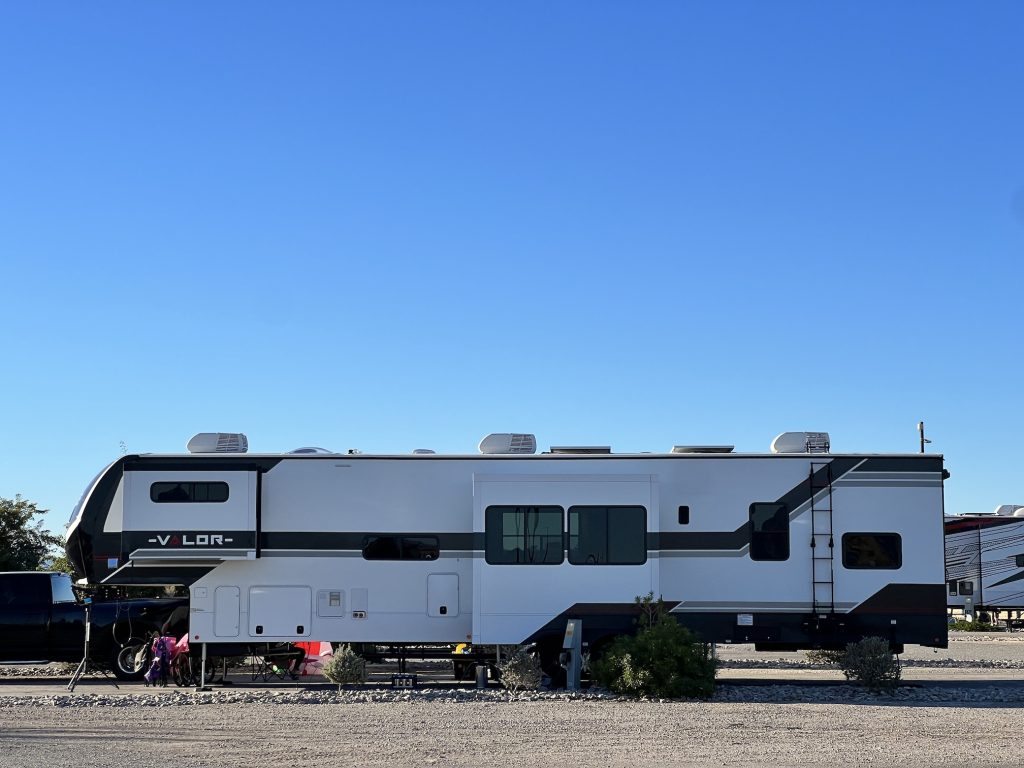
Full-time RVers traveling the country in our Alliance Valor.