Introduction: The Question Everyone Asks (But Few Answer Honestly)
Table of Contents
The Real Costs of RV Ownership
Who RV Ownership Is Usually Worth It For
Who RV Ownership Might NOT Be Worth It For
RV ownership is one of those ideas that feels exciting almost immediately. You picture open roads, flexible travel, family adventures, weekend getaways, and the freedom to go where you want, when you want. For many people, an RV represents a lifestyle shift – more experiences, fewer schedules, and memories that don’t fit neatly into a photo album.
But right alongside that excitement is hesitation.
Questions start creeping in.
- Is it actually worth the money?
- How much maintenance is really involved?
- What if something breaks?
- What if we don’t use it as much as we think we will?
These are valid concerns, and they’re ones we hear from almost every person considering RV ownership.
The problem is that they’re rarely answered honestly. Most of the information out there either sells the dream without the reality or focuses so heavily on worst-case scenarios that it scares people away completely.
This post is here to do neither.
We’re not here to convince you to buy an RV. We’re not here to push a brand, a model, or a lifestyle that doesn’t fit your life. Instead, we want to answer the question people are already asking.
Is RV ownership really worth it?
With transparency, balance, and real-world perspective, we can provide that answer for you!
Because the truth is, RV ownership can be absolutely worth it… for the right person, in the right season of life, with the right expectations. It can also be frustrating, expensive, and disappointing if you go into it without understanding what it actually involves.
So in this post, we’re breaking down RV ownership honestly, looking at costs beyond the purchase price, what maintenance really looks like, and how the lifestyle feels once the novelty wears off.
No hype.
No pressure.
Just the information you need to decide whether RV ownership makes sense for you.
The Short Answer: Is RV Ownership Worth It?
The honest answer to whether RV ownership is worth it is simple:
Yes, for some people.
And no for others.
There isn’t a universal right or wrong answer, and anyone who tells you otherwise probably isn’t giving you the full picture. RV ownership isn’t a one-size-fits-all decision, and its value depends heavily on how you plan to use it and what you expect from the experience.
For people who love flexibility, enjoy road trips, and value experiences over convenience, RV ownership can be incredibly rewarding. Having your own space, your own bed, and the ability to travel on your own terms is a big part of the appeal. For families, it can mean more time together. For couples or solo travelers, it often means freedom from rigid itineraries and hotel check-in times.
But RV ownership isn’t automatically worth it just because the idea sounds good. If you only plan to travel once or twice a year, dislike planning, or expect the same level of convenience you’d get from a hotel or resort, owning an RV can quickly feel like more work than it’s worth. RVs require involvement before, during, and after every trip, and that reality surprises a lot of first-time buyers.
What makes RV ownership so situational comes down to three main factors:
- Cost
- Maintenance
- Lifestyle fit.
The cost isn’t just the purchase price; it includes storage, insurance, fuel, campground fees, and ongoing upkeep.
Maintenance doesn’t mean constant repairs, but it does mean paying attention, learning your RV, and addressing issues as they come up.
And lifestyle fit may be the biggest factor of all. How often you travel, how much you enjoy the planning process, and whether you’re comfortable with a lifestyle that involves a bit of unpredictability.
In the sections ahead, we’ll walk through each of these factors honestly.
The Real Costs of RV Ownership (Beyond the Purchase Price)
When people ask whether RV ownership is worth it, cost is usually the first concern and for good reason. The purchase price gets the most attention, but it’s only part of the overall picture. Understanding the full cost of ownership upfront helps set realistic expectations and prevents surprises down the road.
Purchase Costs: New vs. Used
The biggest upfront expense is, of course, the RV itself.
Buying new often comes with the latest features, warranties, and the peace of mind that you’re the first owner.
Buying used can lower the initial price significantly, but it may come with unknown wear, outdated components, or repairs that weren’t obvious at first glance.
Neither option is inherently better, but it depends on your budget, risk tolerance, and how much time you’re willing to spend evaluating condition and history.
Financing is another consideration. Monthly payments vary widely depending on the RV type, loan term, and interest rate. While financing can make RV ownership more accessible, it’s important to factor in how that payment fits into your overall budget alongside other ongoing costs.
Ongoing Costs to Plan For
Once you own an RV, there are recurring expenses that come with using and storing it. RV Insurance is required and typically costs more than auto insurance, depending on the RV’s value and coverage level.
Registration and taxes vary by state but should be expected annually.
If you don’t have space to store your RV at home, storage fees can add up, especially in areas where space is limited.
Then there are campground fees, which range from budget-friendly public campgrounds to higher-end private RV resorts. How often you travel and where you stay plays a big role in this cost.
Fuel is another ongoing expense that’s easy to underestimate. RVs use more fuel than passenger vehicles, and towing or driving longer distances can noticeably impact travel budgets.
Hidden or Overlooked Costs
This is where many first-time RV owners feel caught off guard, not because the costs are unreasonable, but because they weren’t fully considered. Maintenance is a normal part of RV ownership, just like with a home or vehicle. Seals need checking, tires age, batteries wear out, and systems require occasional attention.
Repairs don’t happen constantly, but they do happen. Slides, appliances, plumbing, and electrical systems all experience wear over time. Having a small repair fund can turn these moments from stressful to manageable.
Then there are accessories and upgrades. Things like hoses, surge protectors, leveling blocks, sewer gear, and comfort upgrades often aren’t included in the purchase price. Most RV owners add these gradually as they learn what works best for their travel style.
Putting Cost Into Perspective
RV ownership isn’t cheap, but it’s not automatically expensive, either. The real cost depends on how often you travel, how you maintain your RV, and what kind of experience you’re looking for. When you understand the full picture upfront, costs become something you plan for and not something that catches you off guard.
In the next section, we’ll talk about maintenance – what’s normal, what scares people unnecessarily, and how it really fits into RV ownership.
Follow Us on Instagram!
RV Maintenance: What’s Normal vs. What Scares People
RV maintenance is one of the biggest reasons people hesitate before buying, and it’s often because what they imagine maintenance looks like is very different from reality. Many first-time buyers picture constant breakdowns, complicated repairs, and the pressure to fix everything themselves. In truth, most RV maintenance is routine, preventative, and far less technical than people expect.
What regular maintenance actually looks like is fairly simple. It includes things like checking seals a few times a year, keeping an eye on tire pressure and tire age, monitoring batteries, and paying attention to how systems operate during normal use. Much of it is visual and observational, not hands-on mechanical work. These small check-ins help catch issues early, long before they turn into expensive or trip-ending problems.
What tends to scare beginners most is the idea that RVs are fragile or constantly breaking. The reality is that RVs are designed to be used, but they are also designed to move, flex, and live outdoors. Because of that, minor adjustments, occasional repairs, and wear over time are normal. Most RVs don’t break down constantly, but like any home or vehicle, they do need attention.
Slides don’t fail every trip.
Appliances don’t stop working overnight.
Problems usually develop gradually, not suddenly.
This is where awareness matters far more than skill. You don’t need to know how to fix every issue, but you just need to recognize when something feels off. A slide moving slower than usual, a new noise, or a small water stain are signals to pause and investigate, not panic. Catching these changes early gives you options and keeps situations manageable.
And importantly, you’re not expected to handle everything alone. RV service centers exist for a reason, and using them is part of responsible RV ownership. Tools like RV Fix add another layer of support, allowing you to connect with certified technicians remotely to diagnose issues and decide next steps.
When you combine basic awareness with reliable support systems, RV maintenance becomes far less intimidating and far more manageable than most people expect.
In the end, maintenance isn’t about constant repairs. It’s about knowing what’s normal, responding early, and having the right help when you need it.
Who RV Ownership Is Usually Worth It For
RV ownership tends to be most rewarding for people who actually use their RV regularly. Families who travel often, whether that’s long weekends, school breaks, or extended trips, usually get the most value out of owning instead of renting. When travel becomes a routine part of life rather than a once-a-year event, having your own RV ready to go makes sense. You’re not scrambling to find availability, relearning a rental every trip, or packing from scratch each time.
RV ownership is also great for people who just want to go on 1-2 camping trips a year. Some times the comfort of not sleeping in a tent or just getting out into nature with the family is worth the investment.
RV ownership is also a great fit for people who value experiences over convenience. RV travel isn’t always the fastest or easiest way to get somewhere, but it offers flexibility that hotels and flights can’t. If you enjoy the journey as much as the destination, don’t mind planning routes and campgrounds, and appreciate having your own space wherever you go, RV ownership can feel incredibly freeing. It’s especially appealing to people who like slowing down and traveling on their own terms.
For retirees and remote workers, RV ownership often opens the door to full-time travel that simply isn’t practical otherwise. Retirees enjoy the freedom to move with the seasons, visit family, or stay longer in places they love.
Remote workers benefit from having a consistent workspace and living setup while still being able to change scenery. When time flexibility is built into your lifestyle, owning an RV can make travel more comfortable and cost-effective over time.
Weekend adventurers can also find RV ownership worthwhile, especially those who use it frequently. If you’re camping, tailgating, or traveling most weekends during peak seasons, the convenience of having your RV packed, stocked, and familiar can outweigh the costs. Instead of booking hotels or hauling gear every trip, your RV becomes a ready-to-go basecamp.
Ultimately, RV ownership is worth it for people who enjoy being involved in their travel, see value in flexibility and experience over simplicity. If that sounds like you, owning an RV often feels less like an expense and more like an investment in how you want to spend your time.

Who RV Ownership Might NOT Be Worth It For
Just as important as knowing who RV ownership works well for is being honest about who it may not be the best fit for. RV ownership isn’t a requirement for enjoying travel, and for some people, renting, staying in hotels, or choosing other options can actually lead to a better experience.
RV ownership often isn’t worth it for infrequent travelers. If you only plan to take one trip every year or two, the ongoing costs, insurance, registration, storage, and maintenance can outweigh the value you get from owning an RV. In those cases, renting an RV or booking accommodations as needed usually makes more financial and practical sense, without the year-round responsibility.
It also may not be a good fit for people who strongly dislike planning. RV travel requires some level of preparation, from booking campgrounds and planning routes to thinking about weather, arrival times, and setup. While it doesn’t have to be complicated, it does require more involvement than booking a hotel and showing up. If planning feels stressful rather than enjoyable, RV ownership can feel more like work than freedom.
Those expecting hotel-level convenience are often disappointed by RV ownership. RVs offer comfort, but they also require setup, teardown, and occasional troubleshooting. There’s no daily housekeeping, no front desk to call when something isn’t working (well, there is RV Fix!), and no guarantee that every night will be effortless. If convenience and predictability are top priorities, traditional travel options may be a better fit.
Finally, RV ownership may not be ideal for buyers who are uncomfortable with any level of maintenance responsibility. While you don’t need to fix everything yourself, owning an RV does require paying attention, scheduling service, and addressing issues when they arise. If that level of involvement feels overwhelming, it’s worth considering alternatives.
Choosing not to own an RV isn’t a failure, it’s an informed decision. And making the right choice for your lifestyle is always worth it.
Renting vs. Owning an RV: A Smarter First Step?
For many people considering RV ownership, renting first can be a smart and strategic move. Renting allows you to experience RV travel without the long-term commitment, ongoing costs, or pressure to get everything right immediately. If you’re brand new to RVing, unsure how often you’ll travel, or still figuring out what type of RV fits your lifestyle, renting can provide clarity without risk.
Renting makes the most sense for infrequent travelers, first-time RVers, or anyone who wants to test the lifestyle before investing. It’s also helpful if you’re curious about different RV types, (travel trailers, fifth wheels, or motorhomes), but aren’t sure which one suits you best.
A rental gives you real-world experience: setting up, breaking down, driving or towing, managing tanks, and living in the space day to day. Those insights are difficult to fully understand from walkthroughs or videos alone.
Ownership, on the other hand, starts to make more sense when RV travel becomes a regular part of your life. If you travel multiple times a year, enjoy having your own setup, and want the convenience of a familiar space that’s always ready to go, owning an RV can be more comfortable and cost-effective over time. Ownership also allows you to personalize your RV, stock it exactly how you like, and avoid relearning a new rig every trip.
One of the biggest benefits of renting before buying is that it can prevent buyer’s remorse. Many people rush into ownership based on how an RV looks or how they imagine using it, only to realize later that the layout, size, or travel style doesn’t actually fit their needs. Renting helps answer important questions early: Do you enjoy towing or driving a large vehicle? Is setup manageable? Does RV travel feel relaxing or stressful? How much space do you really need?
There’s no wrong path here. Renting isn’t a delay, it’s a decision tool.
And for many future RV owners, it’s the step that makes eventual ownership far more confident, informed, and satisfying.
Final Thoughts: The Right Question Isn’t “Is It Worth It?”
After looking at the costs, maintenance, and lifestyle realities of RV ownership, the most important takeaway is this: the real question isn’t “Is RV ownership worth it?” It’s “Is RV ownership worth it for me?”
That shift in thinking makes all the difference.
RV ownership can be incredibly rewarding when it aligns with how you like to travel, how often you plan to use it, and how involved you’re comfortable being. For the right person, it offers flexibility, freedom, and experiences that are hard to replicate any other way. For someone else, those same factors might feel limiting or stressful, and that’s okay.
There’s no single “right” answer, only the one that fits your lifestyle, budget, and expectations.
The best decisions are made thoughtfully, not quickly.
Taking time to consider how RV ownership fits into your real life, not just the ideal version of it, helps prevent regret later on. That means thinking about how often you’ll travel, whether you enjoy planning, how you feel about maintenance responsibilities, and what kind of support you’ll want along the way.
When those pieces align, RV ownership tends to feel exciting instead of overwhelming.
There’s also no pressure to decide immediately. Asking questions, doing research, and even renting before buying are all smart steps, not signs of hesitation or uncertainty. The goal isn’t to rush into ownership, but to make a decision you feel confident about long after the novelty wears off.
If you’re curious, unsure, or just gathering information, that’s exactly where you should be. The right approach to RV ownership starts with honest questions, clear expectations, and access to reliable guidance. Whether you decide to own an RV now, later, or not at all, the best outcome is feeling informed, supported, and confident in your choice.

Written By: Chris & Amanda Stocker (Type1Detour)
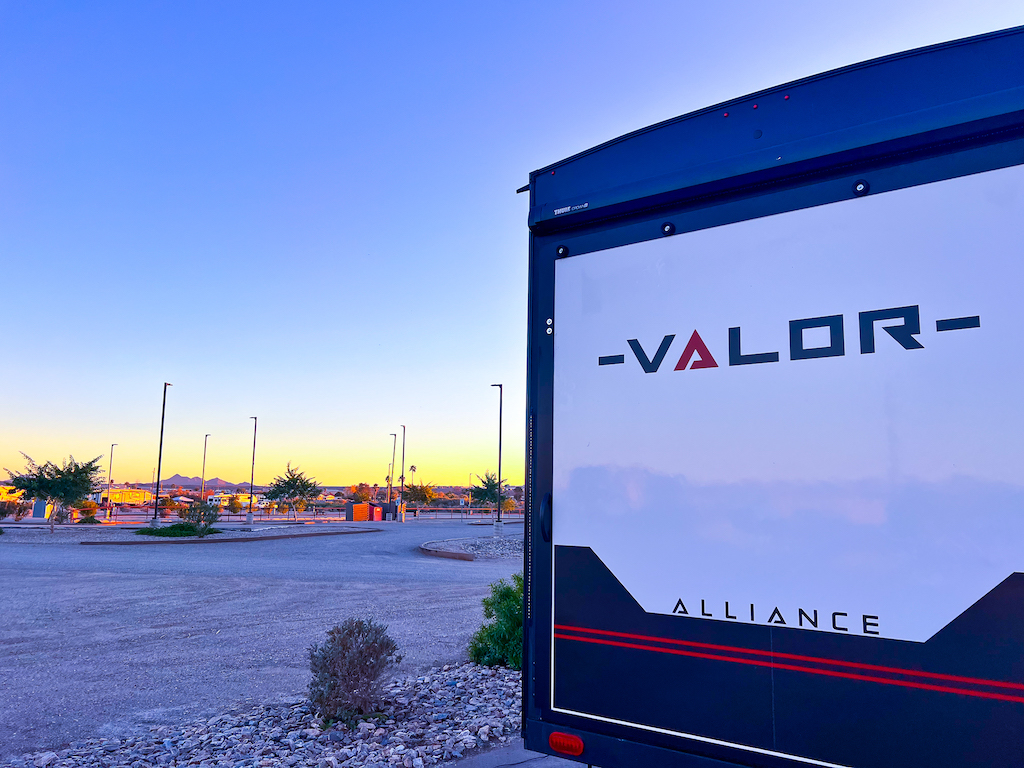
Full-time RVers traveling the country in our Alliance Valor.