
There’s nothing worse than opening your RV after storing it for the winter and realizing you’re not the only one who’s been living in it.
Mice can cause serious damage in a short amount of time. They chew wiring, shred insulation, nest in cabinets, and leave behind droppings that create health risks. Whether your RV is parked for the winter or sitting between trips, preventing rodents is far easier (and cheaper) than dealing with an infestation.
Here’s how to keep mice out of your RV, the right way.
Table of Contents
Why Mice Ge into RVs in the First Place
Remove All Food and Scent Attractants
Seal All Entry Points
Install Vent and Exhaust Screens
Choose Smart RV Storage
Use Repellents (But Don’t Rely on Them Alone)
Set Traps as a Backup Plan
Inspect Your RV During Storage
Protect the Engine Compartment (Motorhomes)
What Happens If You Don’t Prevent Mice in Your RV?
FAQ
Prevent Mice in RV Storage
Why Mice Get Into RVs in the first Place
RVs are basically five-star accommodations for rodents:
- Warm and insulated
- Small, enclosed, and protected from predators
- Full of soft nesting materials
- Often contain food crumbs or packaging
- Stored for long, undisturbed periods
If there’s even a dime-sized opening, a mouse can squeeze through it.
Remove All Food to Prevent Mice in Your RV
This sounds obvious, but it’s where many owners slip up. The first rule of RV rodent prevention: remove anything that smells like food.
Before storing your RV:

Remove all pantry items (including unopened goods)
Take out pet food
Empty the fridge and freezer
Wipe down cabinets and drawers
Vacuum under cushions and furniture
Clean under the stove and refrigerator
Crumbs are enough to attract rodents. Even cardboard packaging can absorb food smells and become appealing.
Pro Tip: Store dry goods in airtight plastic or metal containers if you must leave anything inside.
Seal Every Possible Entry Point
If you want to keep rodents out of your RV, sealing access points is critical. This is the most important step.
Mice can fit through holes as small as ¼ inch. That means gaps around:
- Plumbing lines
- Electrical wiring
- Furnace vents
- Refrigerator vents
- Slide-out mechanisms
- Undercarriage access points
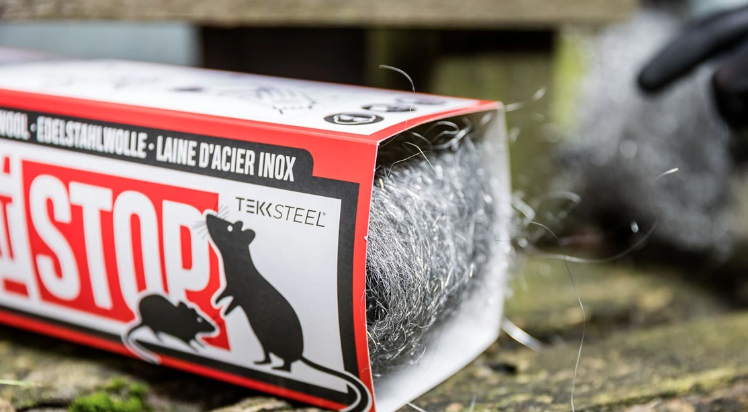
What to Use:
- Steel wool (mice won’t chew through it)
- Expanding foam (with steel wool packed inside)
- Silicone sealant
- Metal mesh or hardware cloth
- RV-specific vent screens
Focus especially on the underbelly and storage bays, these are common entry points.
Install Vent and Exhaust Screens
Open vents are easy access points.
Add:
- Furnace vent screens
- Water heater screens
- Refrigerator vent screens
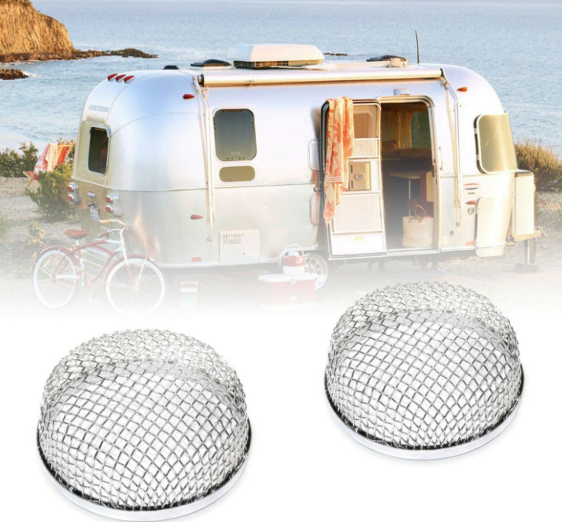
These inexpensive covers prevent mice (and wasps) from getting inside mechanical compartments.
Elevate the RV (If Possible)
If you’re storing your RV at home:
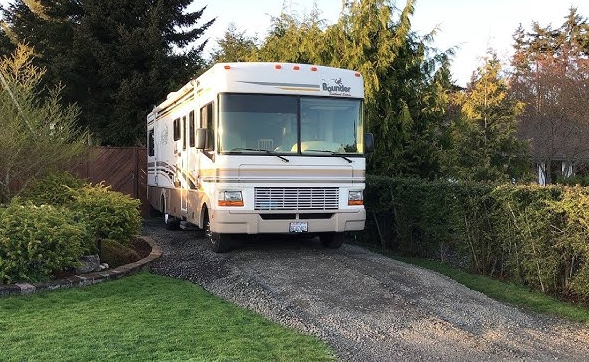
- Park on gravel or concrete (not grass)
- Keep vegetation trimmed back
- Avoid parking near wood piles or brush
- Remove bird feeders nearby
The less “cover” around your RV, the better.
Use Repellents (But Don’t Rely on Them Alone)
There’s a lot of debate on whether repellents actually work, regardless, these are good “second step” options.
- Mothballs
- Irish Spring soap
- Dryer sheets
- Peppermint oil
- Ultrasonic repellents

The evidence is mixed. Some RV owners swear by them. Others find mice ignore them entirely.
The safest approach? Treat repellents as a secondary layer, not your main defense.
If a mouse wants warmth and shelter badly enough, scent deterrents alone usually won’t stop it.
Set Traps as a Preventative Measure
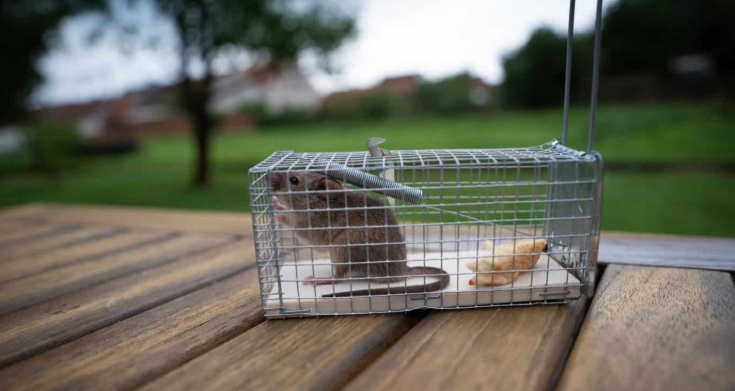
Even if you’ve sealed everything, it’s smart to place traps:
- In storage bays
- Under sinks
- Near entry doors
- In the engine compartment (for motorhomes)
Check them periodically, especially during long-term storage.
Check Your RV During Storage
If possible, inspect your RV once or twice per month. We know, it’s easier said than done, but this could save you from major damage.
Look for:
- Droppings
- Chewed materials
- Nesting debris
- Unusual smells
Early detection is key to long term damage!
Don’t Forget the Engine Compartment (Motorhomes)
Mice love engine bays, they are perfect for creating a warm place to nest during the winter months.
They chew wiring and build nests in air filters. Before starting your motorhome after storage:
- Open the hood
- Inspect for nests
- Check visible wiring
- Look around the battery area
A quick five-minute inspection can save thousands in repairs.
What to Do If You Already Have Mice in Your RV
Imagine coming back to your RV to get ready for your first trip on the road, only to find that a family of mice has chewed through your electrical wiring Rodent damage can include:
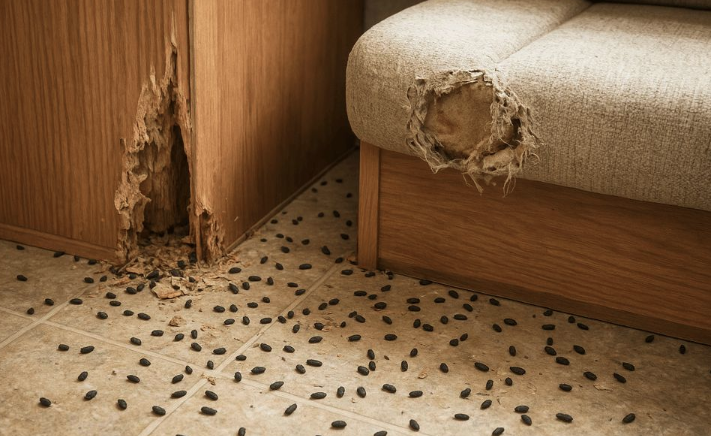
- Electrical failures
- Slide-out malfunctions
- HVAC issues
- Water line damage
- Insulation contamination
And unfortunately, insurance doesn’t always cover rodent damage, depending on your policy.
Act quickly to prevent further damage:
1. Set traps immediately.
Place snap traps in areas with signs of activity under sinks, in storage bays, and near entry points. Avoid using poison inside the RV, as rodents can die in hard-to-reach areas and create strong odors.
2. Clean and disinfect carefully.
Wear gloves and a mask. Spray droppings with disinfectant before wiping them up (don’t vacuum dry debris). Sanitize all hard surfaces and wash any exposed fabrics.
3. Inspect for damage.
Check wiring, water lines, insulation, and the engine compartment (for motorhomes). Rodents often chew electrical wires, which can create fire risks if left unrepaired.
4. Seal the entry point.
Once the mice are gone, identify how they got in and seal any gaps or openings to prevent repeat issues.
If you notice significant wiring damage, strong odors, or system malfunctions, it’s wise to have a professional RV service technician inspect the unit before your next trip.
Frequently Asked Questions About Keeping Mice Out of an RV
Can mice get into a completely closed RV?
Yes. Mice can squeeze through openings as small as ¼ inch. Even if doors and windows are shut, small gaps around plumbing, wiring, and vents can provide entry.
Do dryer sheets keep mice out of an RV?
Dryer sheets are commonly used as a DIY deterrent, but there is limited scientific evidence that they reliably prevent mice. They may provide a short-term scent barrier, but they should not replace sealing entry points.
Does Irish Spring soap repel mice?
Some RV owners report success using strong-smelling soap as a deterrent. However, results vary. Soap should be considered a secondary layer of prevention, not a primary solution.
How often should I check my RV during storage?
Ideally, inspect your RV once or twice per month. Look for droppings, nesting material, or chewed components. Regular checks help catch problems early.
Will insurance cover mouse damage in an RV?
Coverage varies by policy. Some comprehensive policies may cover rodent damage, while others exclude it. Review your policy or speak with your insurance provider to confirm.
What is the best way to mouse-proof an RV?
The most effective method combines multiple layers:
- Remove all food sources
- Seal all entry points
- Install vent screens
- Set traps as backup
- Inspect regularly
No single method works alone. Layered prevention is key.
Are ultrasonic pest repellents effective in RVs?
Ultrasonic devices claim to deter rodents using sound waves. Research on their long-term effectiveness is mixed. They may work in combination with other prevention methods but should not be relied upon alone.
Final Thoughts: Prevention Is Easier Than Cleanup
Keeping mice out of your RV isn’t about one magic solution. It’s about taking steps…
- Remove food
- Seal entry points
- Add screens
- Use traps
- Inspect regularly
Do those things, and you dramatically reduce your risk. Because the only guests you want in your RV are the ones you invited!

Written By: Brooke Erickson
Some say I am a writer, I like to say I am a storyteller