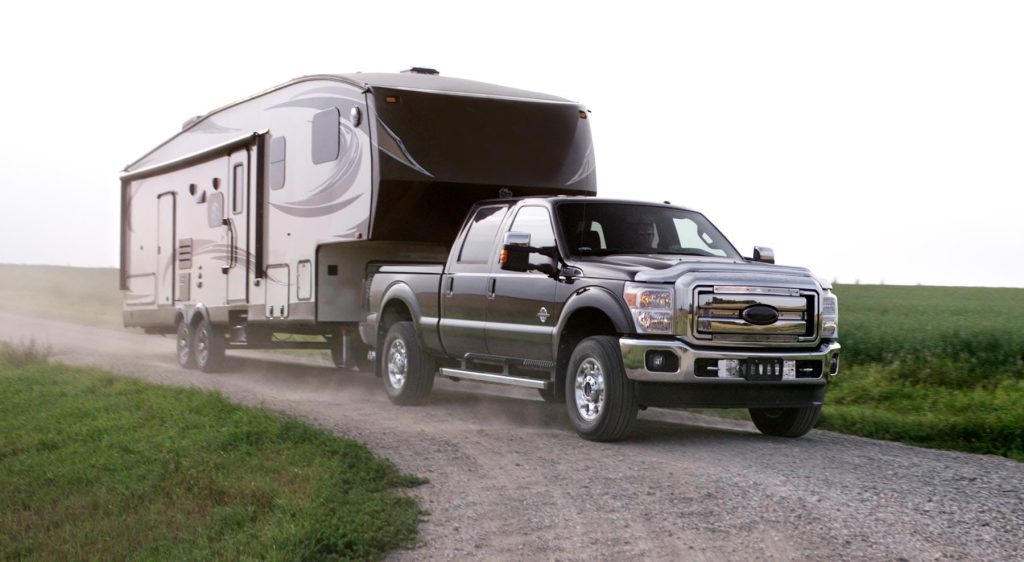
When people shop for a towable RV, the conversation almost always starts with the same question: “What’s your tow rating?” It’s an important number, but it’s not the only one that determines safe towing.
Most RV buyers are aware of tow rating and many understand payload capacity, but there’s a third factor that dramatically influences real-world control, your vehicle’s wheelbase.
This concept is rarely discussed, yet it directly affects trailer sway, handling, and stability…especially at highway speeds or in windy conditions. As explained by our expert, Josh the RV Nerd, understanding wheelbase can prevent unsafe pairings and keep RVers far safer on the road.
Table of Contents
Why Wheelbase Matters
Formula
Half-ton Numbers
SUV
Improving Trailer Control
Stretching the Guidelines
Why Wheelbase Matters More Than You Think
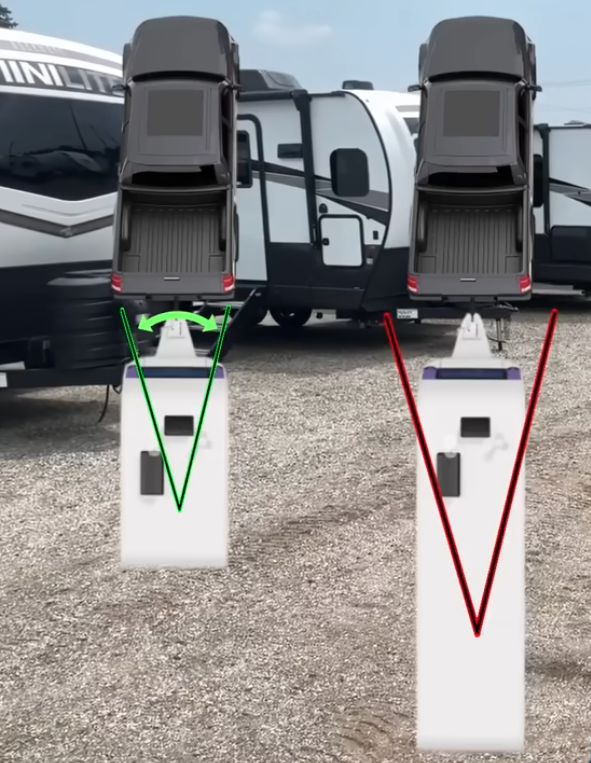
A short wheelbase vehicle pivots more easily. That’s great for pulling into tight parking spaces, but not so great when a long trailer is pushing from behind.
Here’s the basic physics:
- When a trailer pivots just a few degrees off-axis, the longer it is, the farther the back of your vehicle gets pushed.
- A long trailer has more leverage.
- A short wheelbase is easier to shove sideways.
This “tail wagging the dog” effect is the root of many sway incidents.
Even lightweight laminated travel trailers can introduce control problems if they’re long enough. Weight helps, but length is a separate, and equally important, factor in trailer towing safety.
The Simple Wheelbase-to-Trailer Length Formula
There’s no legal limit to how long of a trailer you can tow for a given wheelbase, but there is a helpful guideline used by experienced haulers:
A 110-inch wheelbase pairs well with a 20-foot trailer.
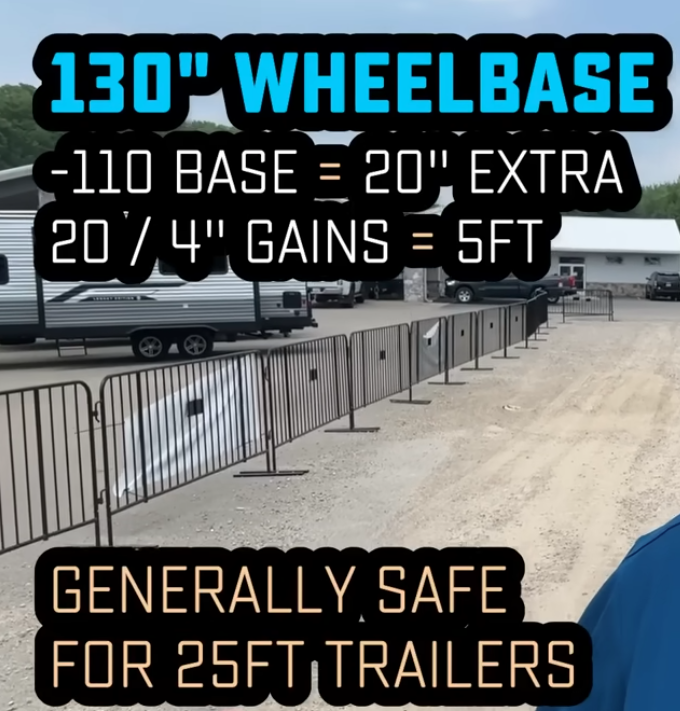
From there:
➡️ Every additional 4 inches of wheelbase supports roughly 1 more foot of trailer length.
Examples:
- 130″ wheelbase → ~25 ft trailer
- 150″ wheelbase → ~28 ft trailer
Going a little above the guideline doesn’t instantly make a setup unsafe. But as you exceed the ratio, expect a gradual loss of stability, especially:
- At higher speeds
- During crosswind gusts
- On downhill grades
- When passing large trucks
- When towing in mountain regions
Wheelbase isn’t about what you can pull, it’s about what you can control.
Why Half-Ton Numbers Are So Misleading
A common question at RV dealerships is:
“Can my half-ton tow this?”
Unfortunately, that question doesn’t have a universal answer.
Half-ton trucks vary more than any other tow vehicle category. Wheelbases can range from roughly 122 inches to around 158 inches, depending on cab size and bed length. That’s a massive difference in stability.
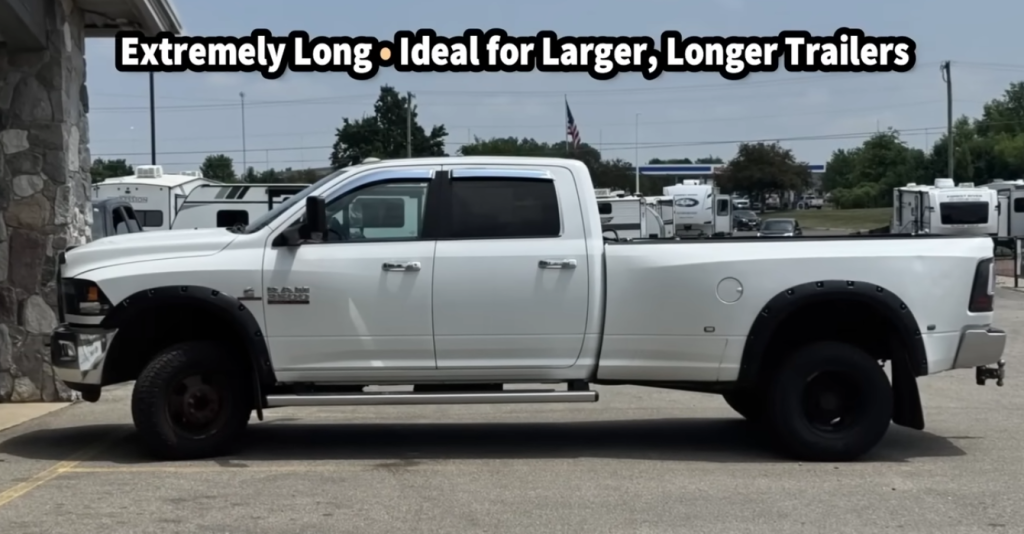
Two trucks with identical tow ratings can behave completely differently on the road simply because one is physically longer.
This is why matching a trailer to a half-ton requires knowing the exact truck configuration—not just the trim level.
Why Some SUVs Struggle With Longer Trailers
Many modern SUVs advertise impressive tow ratings, strong engines, and advanced suspension packages. However, they’re still designed around daily driving:
- Tight turning radius
- Ease of parking
- Comfort over long wheelbase stability
Their shorter wheelbase makes them excellent commuter vehicles but less ideal for pulling long trailers, even lightweight ones made with Azdel and aluminum framing.
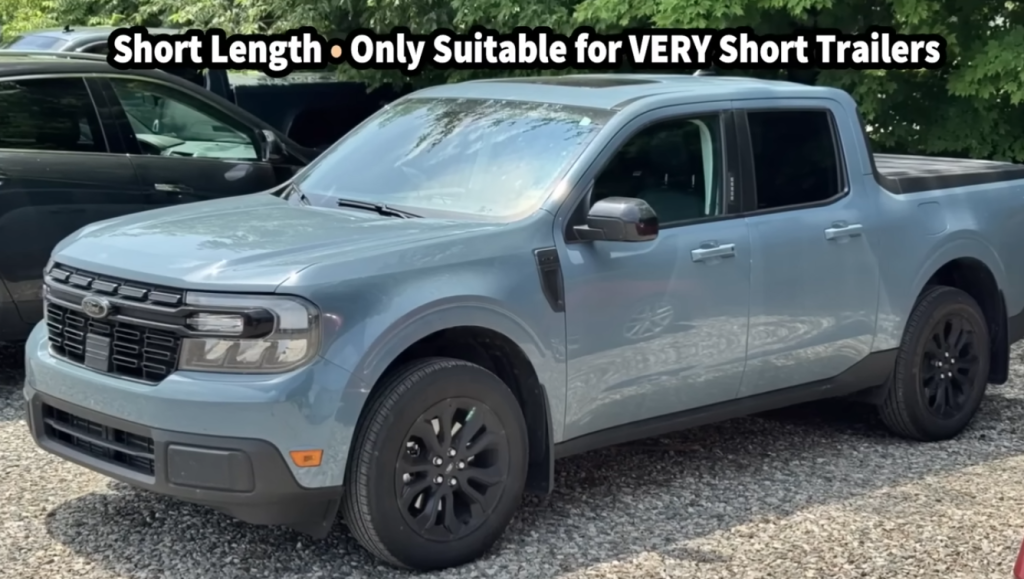
Lightweight doesn’t eliminate sway risk if the trailer is long enough to overpower the vehicle.
What Improves Trailer Control (Beyond Wheelbase)
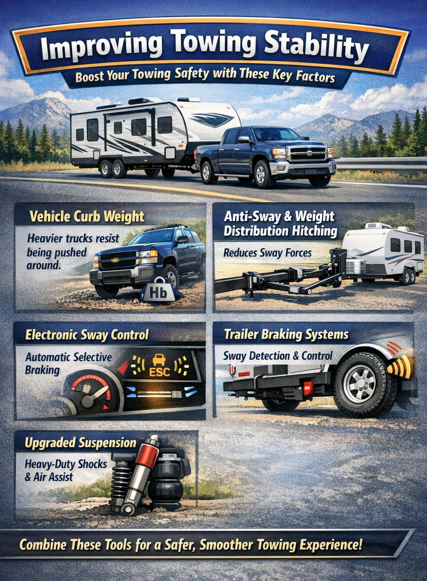
1. Vehicle Curb Weight
Heavier trucks resist being pushed around.
2. Anti-Sway & Weight-Distribution Hitching
Modern hitch technology can dramatically reduce sway forces.
3. Electronic Sway Control in the Tow Vehicle
Many trucks automatically apply selective braking to counter sway.
4. Electronic Braking Systems on the RV
More manufacturers are integrating systems that detect and correct sway at the trailer level.
5. Upgraded Suspension Components
Better shocks, stronger rear springs, and air-assist systems all help keep the trailer in line.
The more of these tools you combine, the safer and more comfortable your towing experience becomes.
When You Can Safely Stretch the Guidelines
A slightly longer trailer may still feel stable if you:
- Tow only a couple times a year
- Stay local
- Avoid mountain passes and high-wind zones
But if you plan to:
- Tow long distance
- Travel through the Rockies
- Drive highways with strong crosswinds
- Pull a trailer frequently
Then the philosophy shifts to:
Longer vehicle. Shorter trailer. Better control systems.
It’s simply a safer combination.
Final Thoughts: Safety First, Sales Second
This wheelbase discussion highlights something important, just because a truck can pull a trailer doesn’t mean it can control it well.
Choosing the right RV isn’t just a matter of weight, it’s a matter of stability, physics, and safety.
At the end of the day, the goal isn’t to push you toward the biggest trailer your vehicle can technically tow. The goal is to help you avoid unsafe setups, and enjoy a controlled confident towing experience.
Your safety on the road should always come first.

Written By: Brooke Erickson
Some say I am a writer, I like to say I am a storyteller