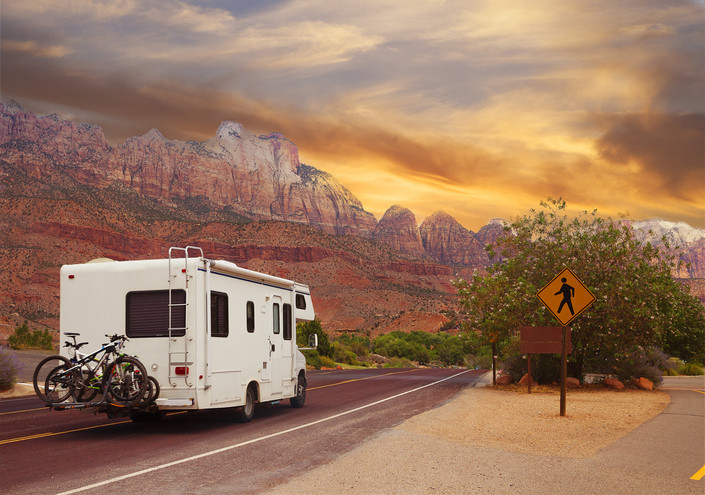
From the outside looking in, full-time RV life can look like endless freedom, with little to worry about. But the reality is, life on the road is a mix of breathtaking views, paperwork, bandwidth, laundry, tow math, and the occasional “why won’t this slide move?” moments.
RV life isn’t for everyone, but if it’s something you are considering, take real-world advice from a family living on the road so you can skip the trial-and-error.
Table of Contents
Tow Vehicle: Choose the RV First
Mail & Domicile (Set This Up First!)
Internet That Works in Town and Off-Grid
Laundry That Keeps Up (Vented vs. Ventless)
Service Anywhere: Get Expert Help Fast
Homeschooling on the Move
FAQ
Tow Vehicle: Choose the RV First
The costliest mistake is buying a truck first and “making it work.” The smarter decision:
- Choose the RV that fits how you’ll camp (floorplan, GVWR, pin weight).
- Match the truck to those real numbers (payload, RAWR, GCWR), not brochure dry weights.
- For heavy triple-axle toy haulers, a dually (DRW) offers the stability those wide-track rigs demand.
Many shoppers purchase a half-ton with a “tow package,” then fall in love with a 16,000-lb fifth wheel and start adding airbags and wishful thinking. That path often ends with two truck purchases and a lot of regret. Choose the RV, then buy the right truck once.
Pro tips & pitfalls
- Verify payload on the truck’s door sticker; don’t assume.
- Use GVWR and realistic cargo (not dry numbers).
- If you’re considering a triple-axle toy hauler, plan for a DRW from day one.
Mail & Domicile for Full-Time RVers
It’s probably that last thing you would think about, but it’s one of the first things to consider… how do you get your mail? Full-timers need more than a PO box. Establishing a domicile provides a legal home base for licensing, taxes, insurance, and school records.
A mail-forwarding program like Escapees Mail Service supplies both a mailing address and domicile address, and forwards parcels wherever you land.

When campgrounds restrict deliveries, Amazon Lockers are a simple workaround.
Pro tips & pitfalls
- Keep a shared “Current Ship-To” note on your phone (address, site #, gate code). Update it every move.
- Ask the office which carrier they accept; some parks allow FedEx/UPS but not USPS.
- Forward mail a few days before travel days so it arrives when you do.
Internet That Works in Town and Off-Grid
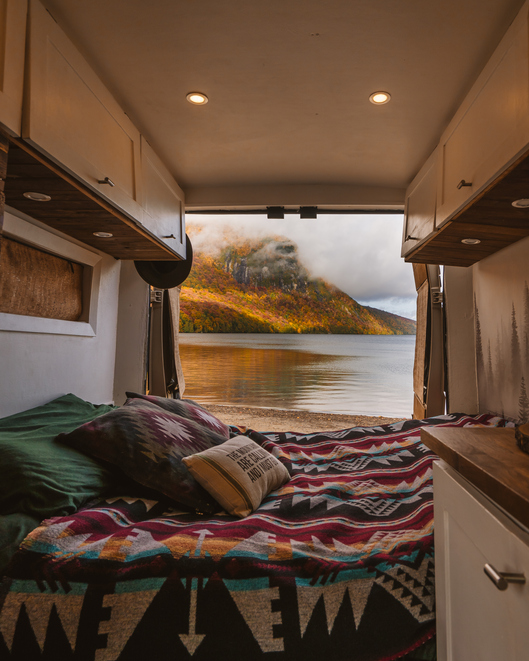
Most full-timers work remote and rely on a layered connection strategy:
- Primary cellular internet (e.g., T-Mobile Home Internet) for speed in populated areas.
- Satellite backup (Starlink) for rural coverage and boondocking, you will just need to ensure clear sky views.
Many carriers are piloting satellite texting/calling for emergency gaps. As features expand, that safety net will only improve.
Tips:
- Prioritize connections: Cellular first, Starlink second.
- Use an obstruction-checking app before setting up at the site.
- Protect cables and mounts from low branches and frequent moves.
Laundry That Keeps Up (Vented vs. Ventless)
Unless you plan on making frequent visits to the laundromat, being able to do your laundry in your RV is a must. Owners who’ve tried both typically choose vented units for faster dry times and fewer wrinkles. A vented combo (e.g., Splendide XC-series) saves valuable storage space while handling real family loads.
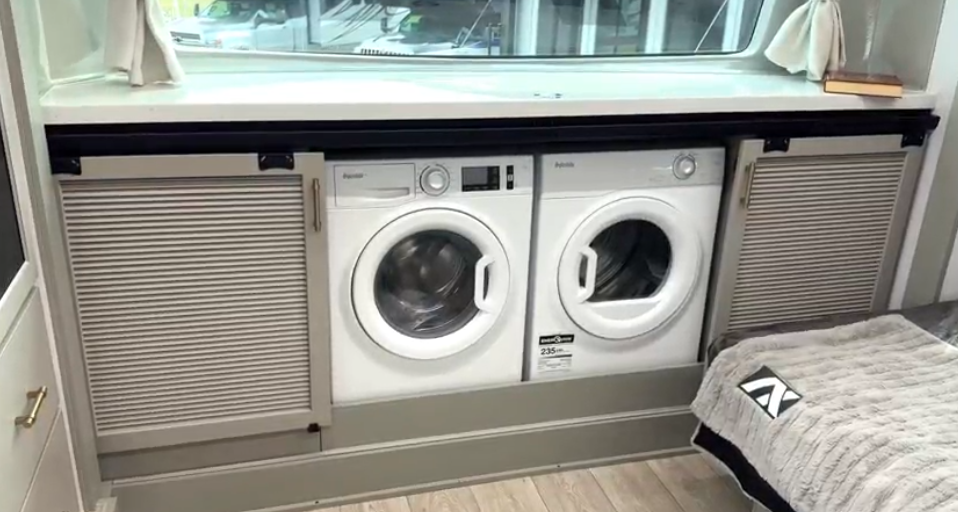
Install gotchas to avoid:
- Measure the closet and the path to it — door widths, trim, and turns.
- Connect water, drain, and vent before pushing the unit into place to avoid pulling it back out.
Homeschooling on the Move
While RVing full-time with kids might seem difficult with school schedules, homeschooling is on the rise, and educating kids on the road is very doable. Keep the core consistent and let the road supply the context!

- Math: Teaching Textbooks — self-paced with auto-grading and weekly grade summaries emailed to parents.
- Language Arts: Night Zookeeper — engaging writing/reading practice that travels well.
- History/Science by place: Use your route as the curriculum. Visiting places like national landmarks, museums, aquariums, and national parks turn lessons into living memory.
Pro tips & pitfalls
- Focus on math + language arts daily; let destinations handle the enrichment.
- Keep a simple weekly cadence (e.g., grade check-ins every Friday).
- Log “field lessons” with photos and short reflections, these are great for portfolios and transcripts.
Service Anywhere: Get Expert Help Fast
It’s no secret, RVs break, but if you are a full-time RVer, your goal is to minimize downtime. Remote support like RVFix connects you with certified RV techs via video to diagnose and coach repairs on the spot.
Real example: a stuck slide in a lavender field was resolved with live guidance and a temporary fix, rolling again in about two hours instead of arranging a tow or surrendering the RV for weeks!
RVFix handles everything end-to-end—diagnosis, parts sourcing, manufacturer warranty processing, and the right next step: dispatching a mobile tech, booking a trusted service center, or guiding a DIY fix on a follow-up call. No more juggling shops, hunting parts, or troubleshooting alone.
Full-Time RVing Q&A
Q: What’s the difference between domicile and mail forwarding?
A: Mail forwarding gets your packages to you wherever you’re parked. Domicile sets your legal home base for licensing, taxes, insurance, and school records. Programs like Escapees provide both in one place and let you request forwards as you move.
Q: Can campgrounds refuse deliveries? How do full-timers handle packages?
A: Some parks limit carriers (e.g., no USPS). Many travelers ship to parks that accept deliveries or use Amazon Lockers nearby. Always ask about delivery policies when you book.
Q: Do I really need both cellular internet and Starlink?
A: For most full-timers, yes. Cellular home internet shines in towns and along interstates; Starlink fills rural gaps—just give it a clear view of the sky (trees block satellites). Set cellular as primary and Starlink as backup for seamless coverage.
Q: Is a vented or ventless washer/dryer better in an RV?
A: Most full-timers prefer vented units for faster dry times and fewer wrinkles. Ventless combos can leave clothes slightly damp and need more monitoring. A vented combo (e.g., a larger Splendide model) balances capacity with space savings.
Q: Any installation “gotchas” for RV laundry?
A: Measure the closet and the path to it—doorways, trim, and tight turns. Connect water, drain, vent, and power before pushing the unit in. Otherwise you’ll be pulling it back out to finish hookups.
Q: How should I pick my tow vehicle?
A: Choose the RV first, then match the truck to real numbers: GVWR, expected cargo, and pin weight—not brochure dry weights. Heavy triple-axle rigs typically call for a dually (DRW) for stability.
Q: What happens if I break down far from “my” dealer?
A: Use a remote tech support service like RVFix to video with master techs who can diagnose and coach repairs on the spot—often avoiding tows and long service waits. Keep VINs, model/serials, and warranty docs in a cloud folder for quick triage.
Q: I bought an extended service contract with my RV—can I cancel it?
A: Often, yes. Many contracts allow a prorated refund if you cancel or sell the RV. Check your paperwork and follow the provider’s process; response times vary.
Q: How do families handle school on the road?
A: Keep core subjects consistent online (e.g., Teaching Textbooks for math, Night Zookeeper for language arts). Use your route for hands-on history and science—national parks, museums, and historic sites—and reinforce with curated streaming (e.g., History Vault).
Q: Any quick safety/coverage tips for no-service areas?
A: Some carriers are piloting satellite texting/calling for emergencies. Until that’s widespread, travel with dual internet, download offline maps, and share itineraries. In remote areas, scout sites for Starlink obstructions before you unhook.
Life on the Road
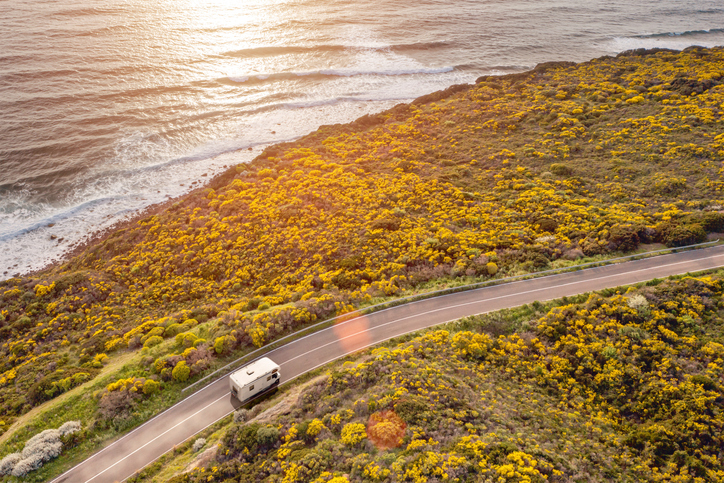
Life on the road is equal parts wonder and workflow. Get the logistics right, domicile and mail forwarding, a layered internet plan, a laundry setup that actually dries, a tow vehicle matched to real weights, and a fast path to service… everything else gets easier.
Use the checklist, on the Peeples and Places website, bookmark the resources, and set up support before you need it. Whether you’re easing into seasonal travel or jumping into full-time life, these field-tested habits will keep you rolling, connected, and confident wherever you park next.
Written By: Brooke Erickson
Some say I am a writer, I like to say I am a storyteller