If you’re currently debating between staying in a traditional fifth wheel or upgrading to a toy hauler, you’re not alone. One of the most common upgrade conversations we see happening in campgrounds, online forums, and messages in our inbox is whether upgrading your RV is actually worth it. For a lot of families, the question isn’t whether they love RVing, it’s whether their current setup still fits the way they travel. is whether upgrading your RV is actually worth it
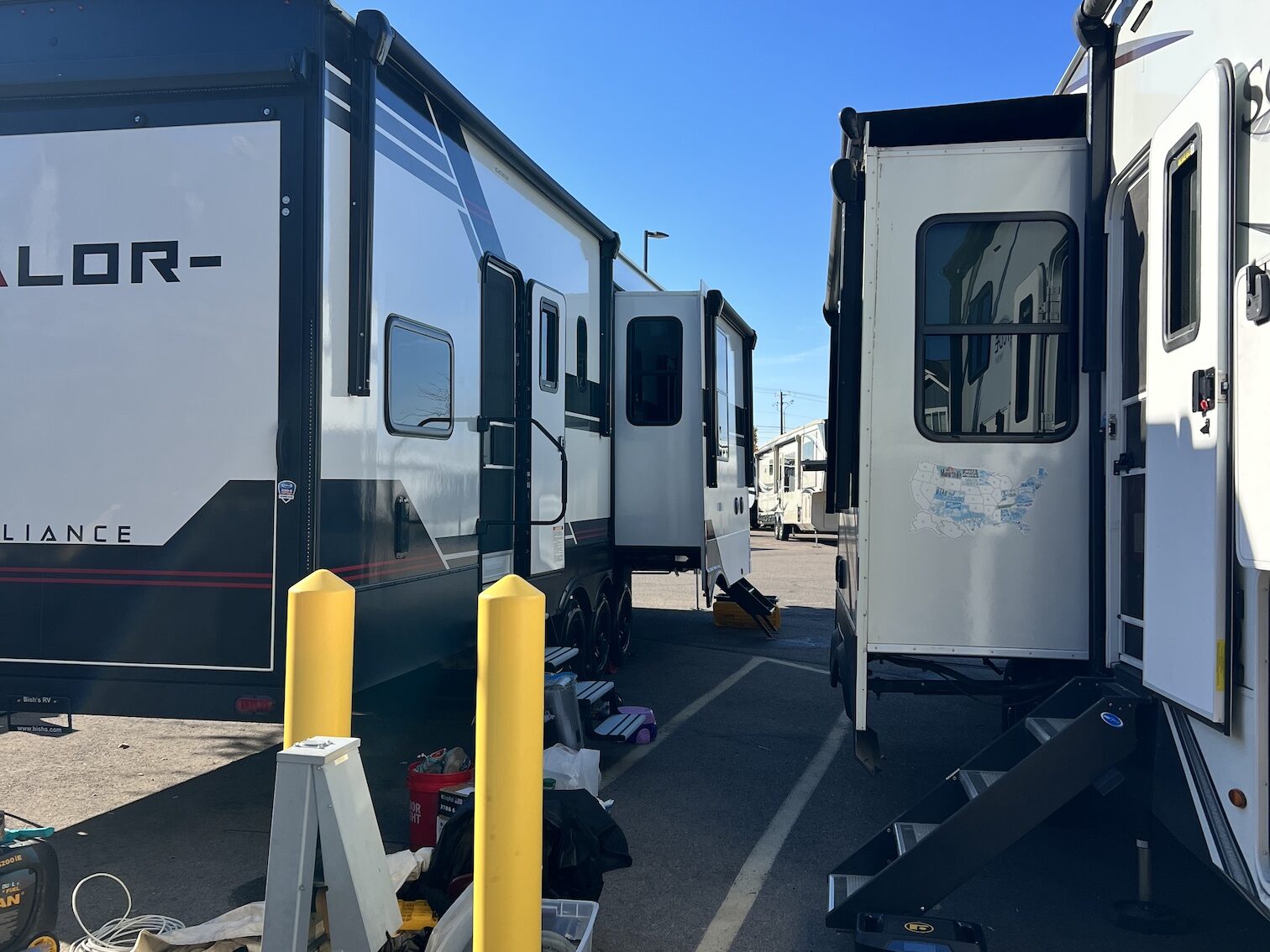
Toy haulers often get labeled as “for people with toys.” Dirt bikes. Side-by-sides. Four-wheelers. Golf carts. And while they absolutely serve that crowd well, that’s not why we made the switch.
We upgraded from a fifth wheel to a toy hauler because of how we live, how we travel, and what our family needed in this season.
This isn’t a post saying fifth wheels aren’t great. We loved ours. For many families, a traditional fifth wheel or bunkhouse is the perfect fit. But as our travel style evolved, as our kids grew, and as we started pushing into more boondocking and longer stays, we realized we were outgrowing what our layout could offer.
If you’re in that same spot feeling like your RV works, but doesn’t quite fit anymore, then this might help.
Here are the 8 real reasons we upgraded to a toy hauler.
1 – We Wanted a Triple Axle for Stability
One of the first things we knew we wanted in our next RV was a triple axle. This wasn’t about looks or even size, it was about stability, weight distribution, and confidence on travel days.
Follow Us on Instagram!
As you spend more time on the road, especially towing longer distances, you start to feel the difference between “it works” and “this feels solid.” A triple axle setup distributes weight more evenly, improves braking performance, and reduces sway compared to many dual-axle fifth wheels. That extra set of tires adds stability, especially in crosswinds, mountain passes, and long highway stretches. Travel days are already busy and mentally demanding. The last thing we wanted was to feel like we were constantly over-correcting or white-knuckling the wheel.
It also opened the door for higher cargo carrying capacity. As families travel longer and pack more intentionally, whether that’s extra water for boondocking, more gear for the kids, or simply the reality of living in your RV full-time, weight matters. We didn’t want to constantly calculate every pound. The triple axle gave us margin.
If you’re considering upgrading from a fifth wheel to a toy hauler, this is one of the first questions to ask yourself: do you want more stability and weight capacity built into the foundation of your RV? For us, that peace of mind on travel days was worth the change all by itself.
2 – We Wanted to Be More Boondock Ready
As we traveled more, we realized that some of our favorite places weren’t in traditional campgrounds. They were off the beaten path like state land, Corps of Engineers parks, wide-open desert spaces, mountain pull-offs, and places where hookups simply weren’t available. Our fifth wheel couldn’t even really handle a night off-grid.
Upgrading to a toy hauler changed that.
Toy haulers are often designed with higher cargo capacity, larger tanks, generator prep (or built-in generators), fuel stations, and better battery and solar flexibility. All of that adds up to freedom. Instead of planning our trips around hookups, we could plan them around experiences. We weren’t worried about running out of water after 24 hours or carefully rationing power every single night.
It also gave us more margin. When you’re traveling with kids, margin matters. More tank capacity means fewer urgent dump runs. Better power options mean less stress about cloudy days or cold nights. Generator capability means you’re not stuck if weather shifts unexpectedly. That kind of flexibility changes how you travel.
Boondocking isn’t for everyone, but even if you only do it occasionally, having an RV that’s built to handle it provides confidence. You don’t feel limited. You don’t feel boxed into only certain campgrounds. You have options.
If you’re looking at upgrading and you’ve found yourself wanting more independence from hookups, this is a big one to consider. For us, becoming truly boondock ready wasn’t about roughing it, it was about expanding where we could go and how long we could stay.
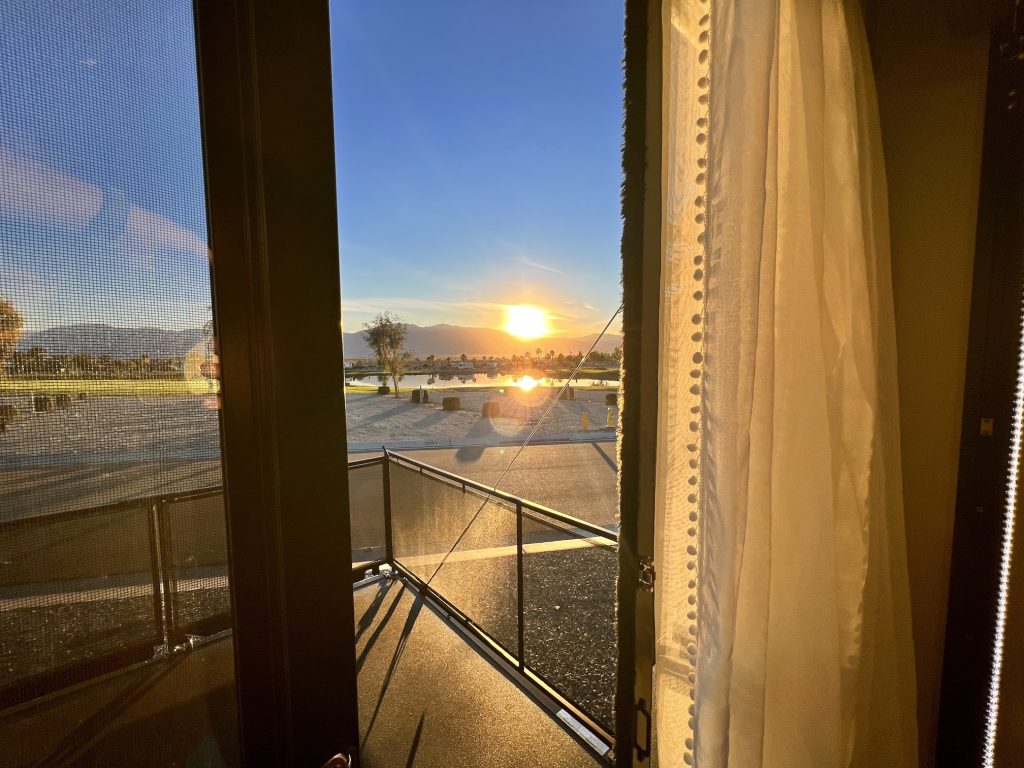
3 – We Wanted a Patio That Extended Our Living Space
When people think of toy haulers, they often think of the garage first. But for us, one of the biggest upgrades wasn’t the garage itself, it was the patio.
That ramp door completely changes how the RV feels.
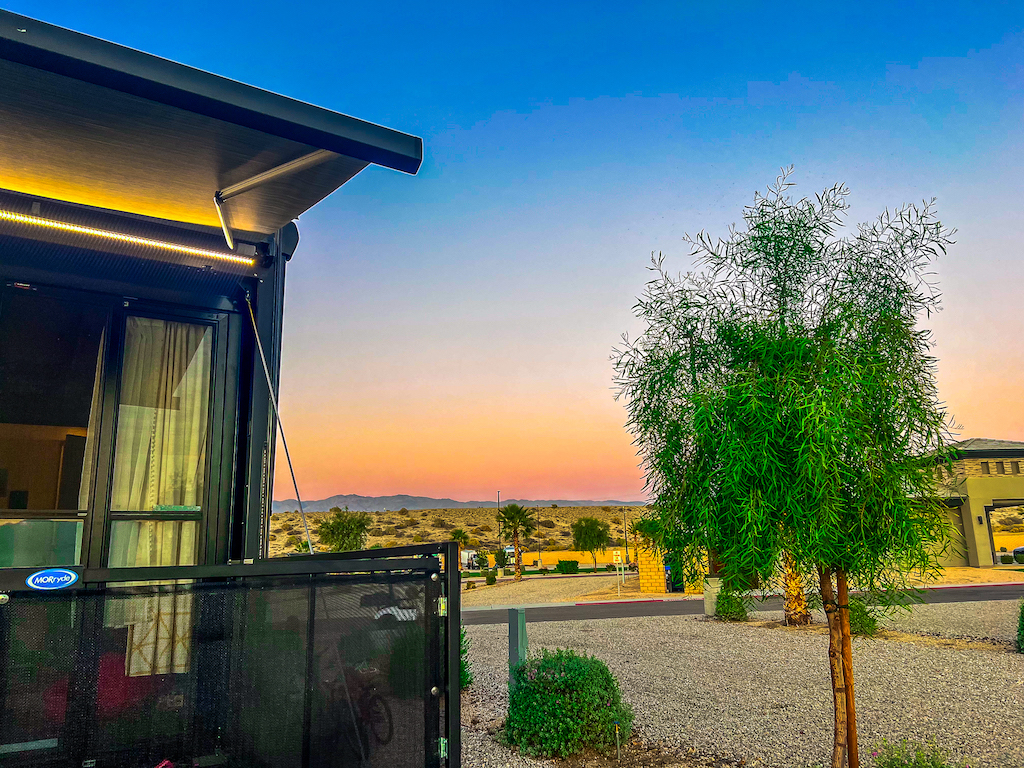
In a traditional fifth wheel, your outdoor space is limited to what you set up under the awning. It works, but it doesn’t expand your actual footprint. With a toy hauler patio, your living space instantly grows. It becomes an outdoor dining area, a kids’ play zone, a coffee spot in the morning, and a place to unwind at night without dragging chairs across gravel.
For families, that extra square footage matters more than you think. The patio gives the kids a contained outdoor area. It gives adults a space to sit above ground level and relax. It creates better airflow through the RV when the weather is nice. And on busy campground weekends, it feels like your own little extension of home.
It also changed how we host. Whether it’s campground friends stopping by or just spreading out for dinner, the patio makes the RV feel less closed in. You’re not stacking everyone inside when the weather is good.
If you’re debating toy hauler versus fifth wheel and you spend a lot of time outside anyway, this is something worth thinking about. The patio isn’t just a cool feature, I t’s functional living space. And for us, it made our RV feel bigger without actually adding more interior square footage.
4 – We Wanted a Garage That Could Be the Kids’ Bedroom
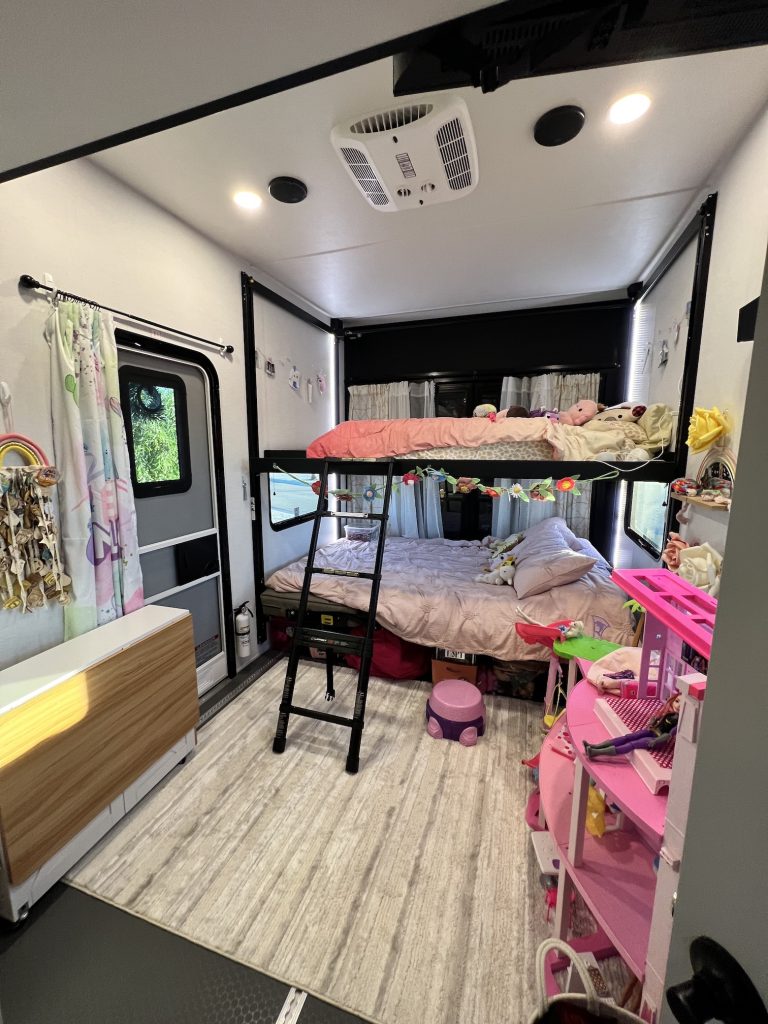
One of the biggest shifts for us was realizing that we didn’t just need “bunks”, we needed a true, separate space for the kids.
A traditional bunkhouse works well for many families, especially with younger kids. But as our kids got older and our travel rhythm changed, we started craving more separation. Not just a curtain. Not just stacked beds. A real room with a door that could close.
The garage in a toy hauler gave us that.
It’s larger, more flexible, and more durable than most bunk rooms. The kids have their own area to sleep, play, hang out, and even decompress. And when that door closes, the rest of the RV feels calm again. That separation became especially valuable on longer trips, rainy days, or when everyone just needed a little breathing room.
It also gives them a sense of ownership. It’s not just “the bunks.” It’s their room. They can organize it, decorate it, and use it differently depending on the day. That independence matters as kids grow.
If you’re starting to feel like your current bunk setup is getting tight or chaotic, this is something to think about. A garage isn’t just extra space, I t’s functional separation. And for families in a new season of life, that can be a game changer.
5 – We Wanted a True Multi-Use Flex Room
While the garage became the kids’ bedroom, what really sold us was its flexibility beyond just sleeping space.
In a traditional fifth wheel or bunkhouse, rooms are typically fixed in purpose. A bunk room is a bunk room. A living room is a living room. There’s not much adaptability built in. But the garage in a toy hauler isn’t locked into one function.
During the day, it can be a school space. On travel days, it can hold gear. On rainy afternoons, it becomes a playroom. If one of us needs to work, it can double as a private office. If friends come to visit, it can convert into a guest area. That level of adaptability completely changed how we use our RV.
As a family, our needs shift constantly. Some weeks we need storage. Other weeks we need workspace. Sometimes we need quiet separation. Having a room that can evolve with our schedule and lifestyle gives us flexibility that a fixed layout simply couldn’t.
If you’re evaluating whether a toy hauler makes sense, this is one of the most overlooked benefits. It’s not just about having a garage — it’s about having a space that can change as your life changes. And that kind of built-in flexibility is hard to put a price on once you experience it.
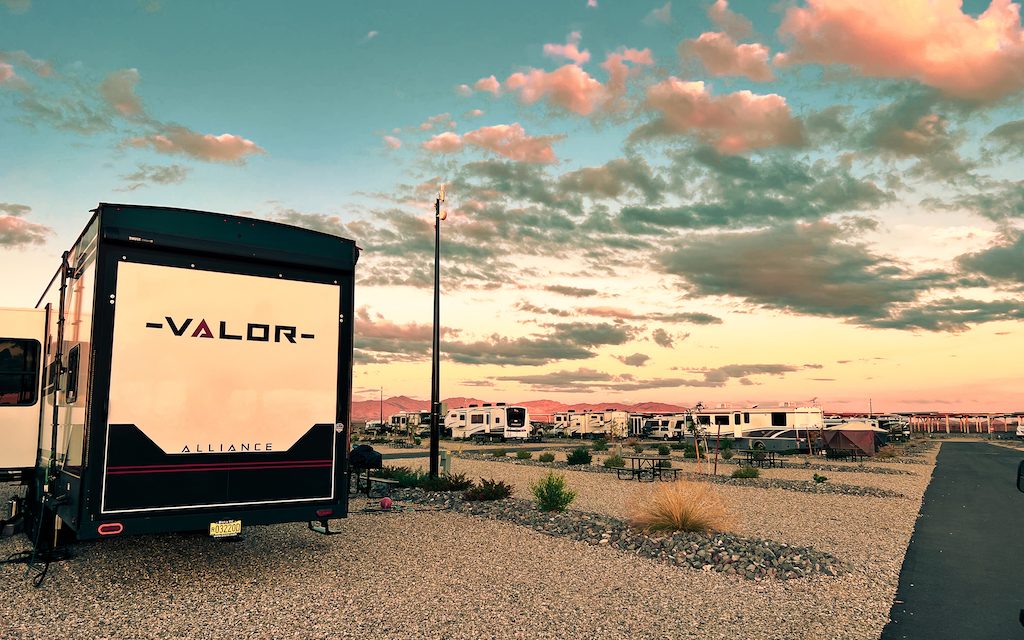
6 – We Wanted a Space That Could Handle Real Wear and Tear
When you travel with kids, your RV doesn’t stay showroom-perfect for long. There are scooters, helmets, muddy shoes, crafts, bikes, sports gear, and rainy-day chaos. And while a traditional fifth wheel can absolutely handle family life, we found ourselves constantly trying to protect finishes and manage mess.
The garage changed that.
Toy hauler garages are built differently. The flooring is more durable. The walls are tougher. The tie-down system and overall structure are designed to handle movement, weight, and activity. That makes a big difference when your “cargo” isn’t just toys with engines, it’s real life with kids.
Instead of worrying about scratched vinyl or dinged cabinets, we gained a space that was meant to be used. If the kids tracked in sand or mud, it wasn’t stressful. If scooters tipped over or art projects got messy, we weren’t panicking. It became a room we could actually live in, not just try to preserve.
That durability gave us peace of mind. We weren’t constantly correcting behavior or trying to keep everything pristine. We could relax a little more.
If your current setup feels like you’re always trying to protect it from normal family activity, this is something worth considering. A toy hauler garage isn’t just extra square footage, it’s rugged square footage. And that matters when real life is happening inside your RV every day.
7 – We Wanted Better Indoor/Outdoor Flow
One thing we didn’t fully appreciate until we experienced it was how much the ramp door changes the way an RV feels.
In a traditional fifth wheel, there’s one main entrance. Everyone funnels through the same door. Kids are in and out, shoes pile up, and the indoor space can start to feel congested, especially on busy campground weekends or during longer stays.
With a toy hauler, the ramp creates a completely different dynamic.
When it’s down and set up as a patio, the RV opens up. There’s airflow. There’s visibility. The kids can move in and out without constantly disrupting the main living area. It creates a natural transition between indoor and outdoor living that just feels smoother.
On nice weather days, it almost feels like the back wall of your RV disappears. The space doesn’t feel closed off. It feels connected to the campsite.
For us, that improved flow made daily life easier. Fewer bottlenecks. Less clutter at the main door. More breathing room. And when you’re spending extended time in one place, those little daily improvements add up.
If you’re the kind of family that spends most of your time outside riding bikes, grilling, sitting by the fire, then this is something to seriously think about. The ramp isn’t just a cool feature. It changes how your RV interacts with the outside world.
8 – We Wanted Something That Could Grow With Our Family
At the end of the day, this upgrade wasn’t just about today, it was about the next five years.
When we looked at our fifth wheel, we asked ourselves an honest question: Will this still fit us as our kids get older? Not just in size, but in independence, gear, hobbies, and lifestyle.
Little kids don’t need much space. Teenagers do.
As kids grow, they want privacy. They want a place to hang out. They bring more stuff. They need space for friends, activities, and sometimes just a quiet place to be. A fixed bunk layout works beautifully for a season, but it doesn’t evolve much beyond that season.
A toy hauler garage does.
Today, it’s a kids’ room. Tomorrow, it could be a teen hangout. It could become an office. A workout space. A gear room. A guest suite. The layout adapts as life shifts and that flexibility gave us confidence that we wouldn’t outgrow this RV as quickly.
Upgrading wasn’t about wanting “more.” It was about wanting something that would stretch with us instead of limiting us.
If you’re debating between sticking with your current fifth wheel or stepping into a toy hauler, this is worth thinking through carefully. Ask yourself not just what fits today, but what will fit two or three years from now.
For us, choosing a toy hauler felt less like a lateral move and more like building room for the future.
Final Thoughts: A Toy Hauler Isn’t for Everyone – But It Was Right for Us
Upgrading from a fifth wheel to a toy hauler wasn’t about chasing something bigger or flashier. It was about alignment.
We loved our fifth wheel. It served us well in the season we were in. But as our travel style shifted, as our kids grew, and as we pushed into longer stays and more off-grid experiences, we realized we needed something that fit how we were actually living and not just how we used to travel.
That’s the real takeaway here.
A toy hauler isn’t automatically better than a traditional fifth wheel. For many families, a bunkhouse or standard layout is exactly what they need. But if you’ve started feeling like your current setup is working… just not working well, it might be time to evaluate whether your layout still supports your lifestyle.
Upgrades shouldn’t be emotional. They should be intentional.
Ask yourself:
- Are travel days feeling heavier?
- Are you craving more flexibility?
- Are the kids outgrowing their space?
- • Do you want more freedom to boondock?
- • Are you planning further ahead than just this season?
If the answer to several of those is yes, a toy hauler might be worth exploring.
And if you’re specifically looking at Alliance toy haulers and trying to figure out whether it makes sense for your family, we’re always happy to share what we’ve learned from living in ours. We’ve walked through the RV buying decision process ourselves, and sometimes having someone help you think it through clearly makes all the difference.
At the end of the day, the goal isn’t to upgrade for the sake of upgrading.
It’s to build a setup that supports the life you’re trying to live.
And for us, that meant making the move.

Written By: Chris & Amanda Stocker (Type1Detour)
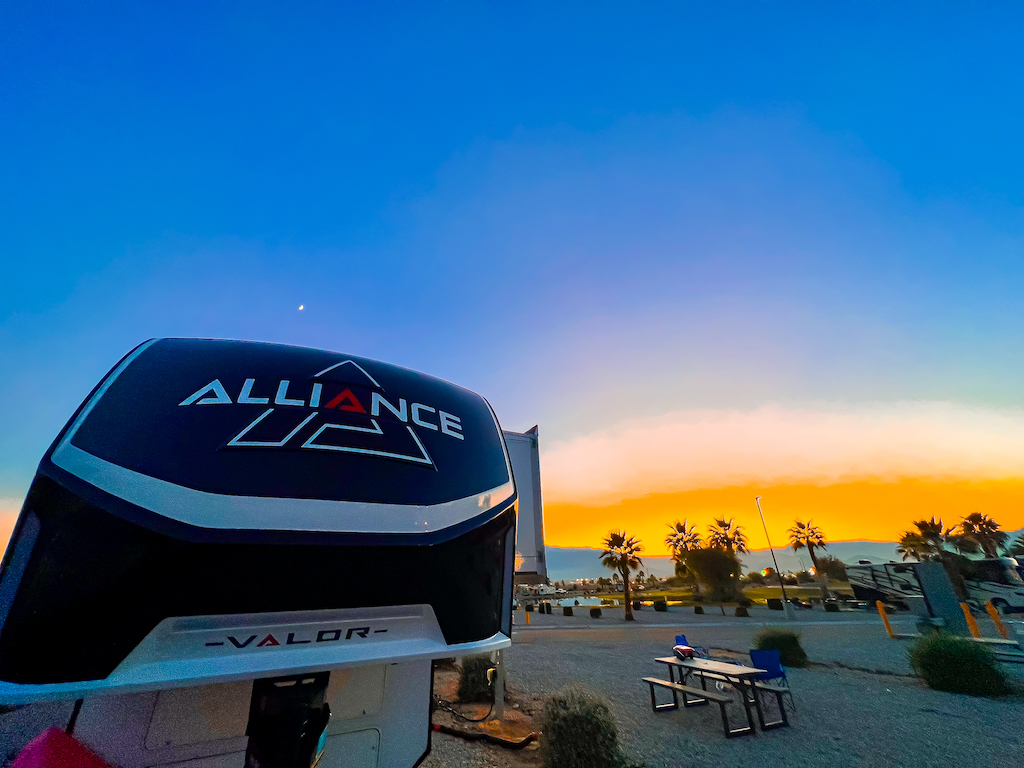
Full-time RVers traveling the country in our Alliance Valor.