If you’re an RVer, chances are you’ve learned a few lessons the hard way. But a lot of the most expensive, frustrating, and even health-related problems RVers experience are totally avoidable.
Using real service-center data, owner experiences, and insights from our very own RV expert, Josh the RV Nerd, this guide breaks down the most common RV mistakes that can quietly drain your wallet, damage your camper, and sometimes even make you sick.
Below are 12 quick but powerful RV tips to help keep your RV out of the service bay and keep money in your pocket.
Table of Contents
Black Tank
Anode Rods
Freshwater System
Furnace
Slide-Out Jacks
RV Ladder
Brake Controllers
Tankless Water Heater
On Demand Water Heater
Outside Shower
Lithium Batteries
Seals
Leaving the Black Tank Valve Open Creates a “Poop Pyramid”
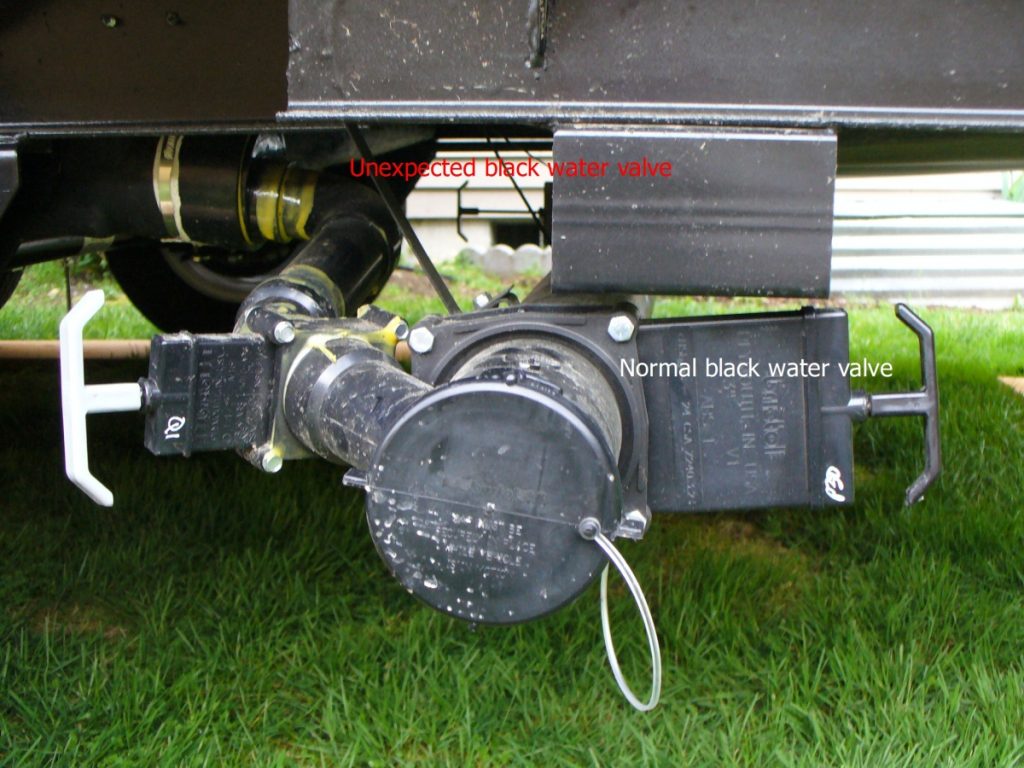
Many new RVers assume that if they’re hooked up to sewer, they should leave the black tank open, just like a house.
But here’s what actually happens:
- Liquid waste drains out… but solids stay behind.
- Those solids build up into a hardened “pyramid.”
- Eventually, the tank clogs, smells awful, and requires expensive flushing or repairs.
Correct method:
Keep the black tank closed until it’s at least ⅔ full, then dump everything at once so the weight of the water carries solids out.
Replacing Anode Rods Too Often Wastes Money
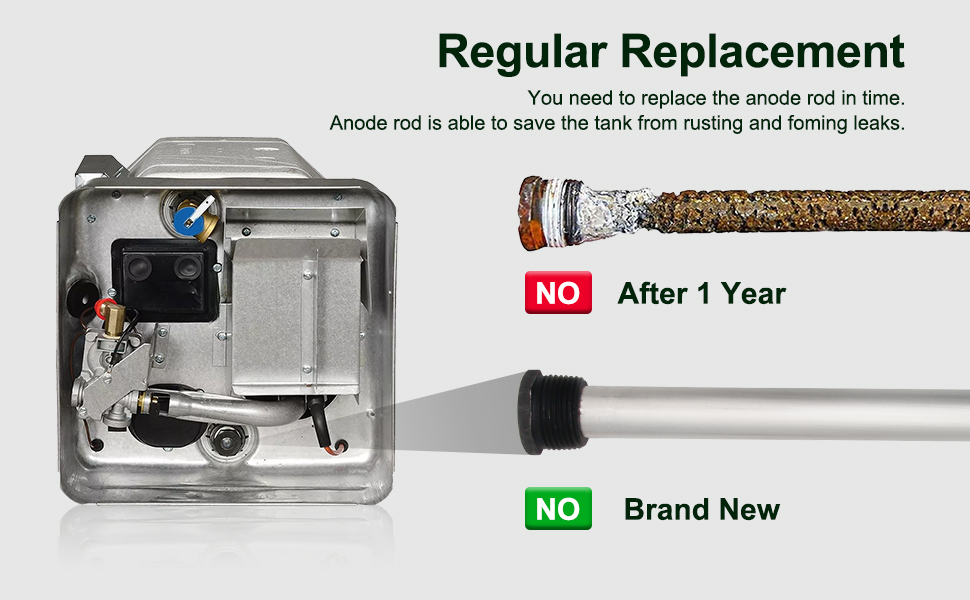
RVers frequently replace perfectly good anode rods because they “look corroded.”
But here’s the truth:
- Anode rods are supposed to deteriorate.
- They only need replacing once their outer metal has completely eaten away and the inner steel core is exposed.
- Many water heaters (like Atwood aluminum tanks) don’t need an anode rod at all.
Takeaway:
An anode rod that looks rough is still doing its job. Don’t replace it until it’s truly spent.
Drinking From Your Freshwater System May Make You Sick
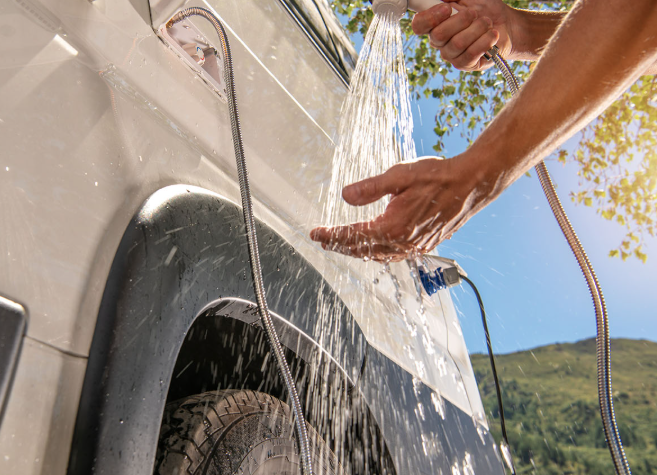
This one surprises people:
Unless you sanitize your RV’s freshwater system frequently, bacteria can build up in the tank and lines.
Some campers report feeling sick after trips, and often, the culprit is contaminated onboard water.
Safe approach:
- Drink bottled water or filtered water.
- Sanitize tanks regularly if you DO want to drink from them.
- Never assume an RV’s tanks are “clean by default.”
Furnace Turns On the A/C Fan? It Might Not Be Broken
If your furnace kicks on and suddenly your A/C fan starts running, it doesn’t always mean a component has failed.
The most common cause?
The thermostat is set to FAN instead of AUTO.
When set to FAN, the system circulates air anytime heating or cooling is active.
Fix:
Switch the thermostat fan setting to AUTO when using the furnace.
Stop Using Slide-Out Jack Supports
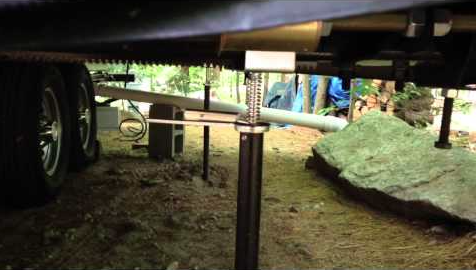
You may think supporting your slide-out from below will “take stress off the mechanism,” but it can actually:
- Twist the slide out of square
- Bind the slide motors
- Break seals
- Prevent the slide from retracting
Because the RV body shifts slightly on soft ground, supports create uneven pressure and force slides out of alignment.
Tip:
Do not use supports unless your manufacturer specifies them, very few do.
Don’t Strap Cargo to Your RV Ladder
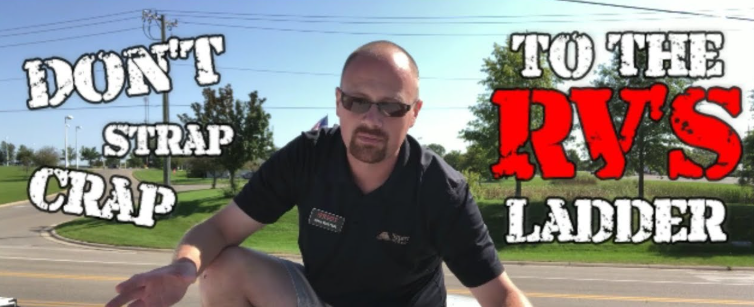
Coolers, chairs, totes, bikes, generators, hoses—people strap everything to rear ladders.
But RV ladders are only designed to support weight when:
- The RV is not moving
- The load is straight vertical
- The user climbs gently
When traveling, even light objects experience major G-force multiplication, often leading to:
- Broken ladders
- Roof leaks
- Rear wall damage
Best practice:
Use a bumper-mounted rack or inside storage, not the ladder.
Learn How Your Brake Controller Works (It Can Prevent Accidents)
Incorrect brake controller settings are one of the most common causes of:
- Sway
- Poor stopping
- Feeling “pushed” through intersections
- Premature brake wear
Every brake controller, factory or aftermarket, requires gain adjustment.
If gain is too low, the camper barely brakes.
If it’s too high, the trailer brakes lock up.
Before towing:
Adjust gain according to trailer weight and driving conditions.
Tankless Water Heaters Require Strong Water Flow
If your tankless water heater runs hot for a moment but then shuts off, the issue is often the hose, not the heater.
Expandable “shrinky” hoses restrict flow as pressure drops, causing tankless units to malfunction.
Use a dedicated RV drinking-water hose (blue), not:
- Green garden hoses
- Collapsible hoses
Winterizing On-Demand Water Heaters Requires Antifreeze
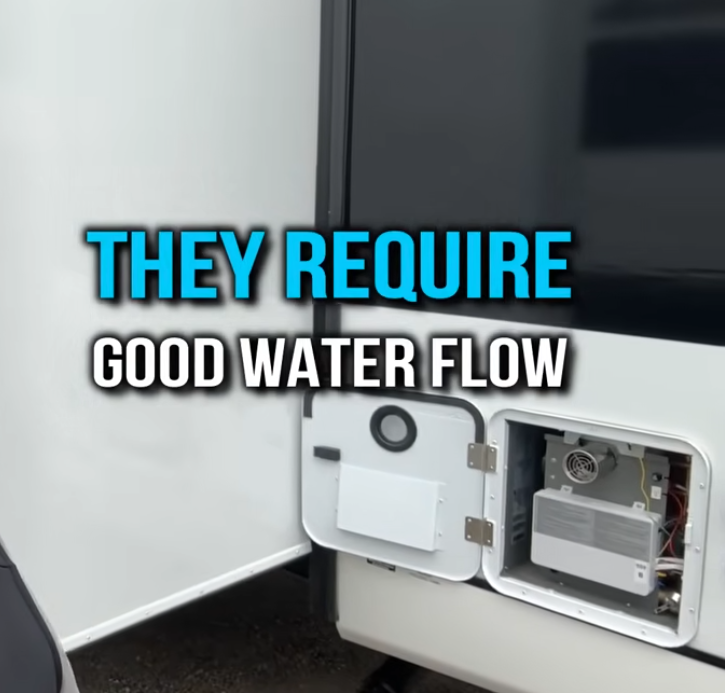
With traditional gas/electric tanks, an air blowout is often enough.
But tankless water heaters contain:
- Small channels
- Tight bends
- Heat exchangers
Even a tiny amount of water left inside can freeze and destroy the unit.
Correct method:
Pump RV antifreeze through the entire system, not just air.
Don’t Forget the Outside Shower
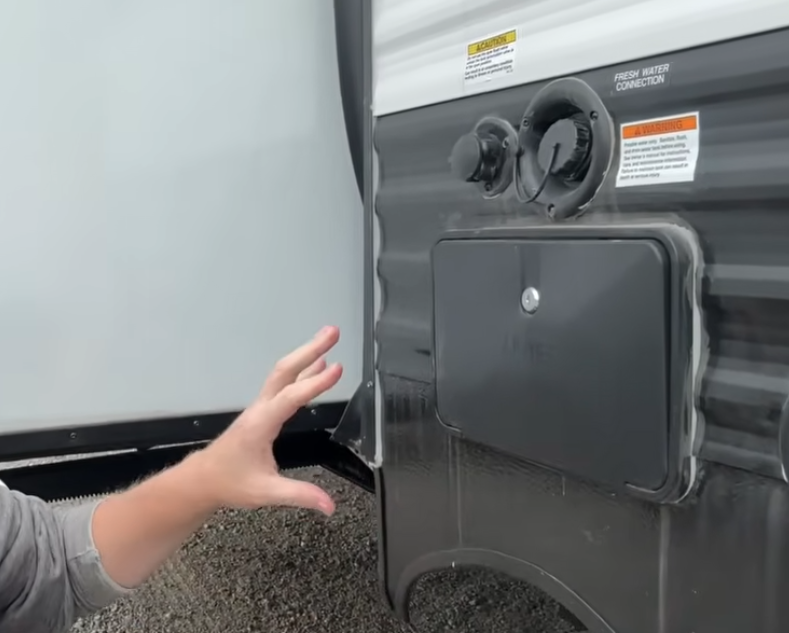
The most commonly forgotten fixture during winterizing is the outdoor shower.
If water remains in:
- The hose
- The showerhead
- The mixing valve
…it can freeze and burst.
During de-winterizing, leftover antifreeze trapped in this line can also cause bad smells or contamination.
Switching to Lithium Batteries Requires More Than a Drop-In Swap
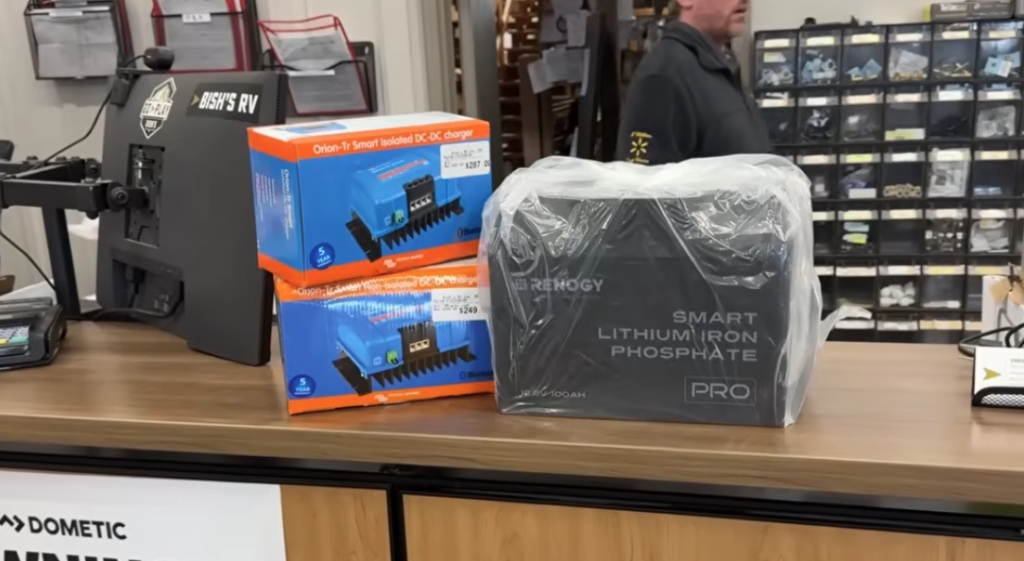
Lithium batteries behave differently than flooded lead-acid batteries. Connecting a lithium bank to a vehicle alternator without protection can:
- Overload the alternator
- Damage electrical components
- Reduce battery lifespan
You must use a:
- DC-to-DC charger, OR
- Disconnect the charge line (not recommended if you rely on travel charging)
Clean Your Slide Seals Regularly
Dirty slide seals act like sandpaper:
- Wearing down rubber
- Creating grooves
- Allowing leaks
- Causing long-term water damage
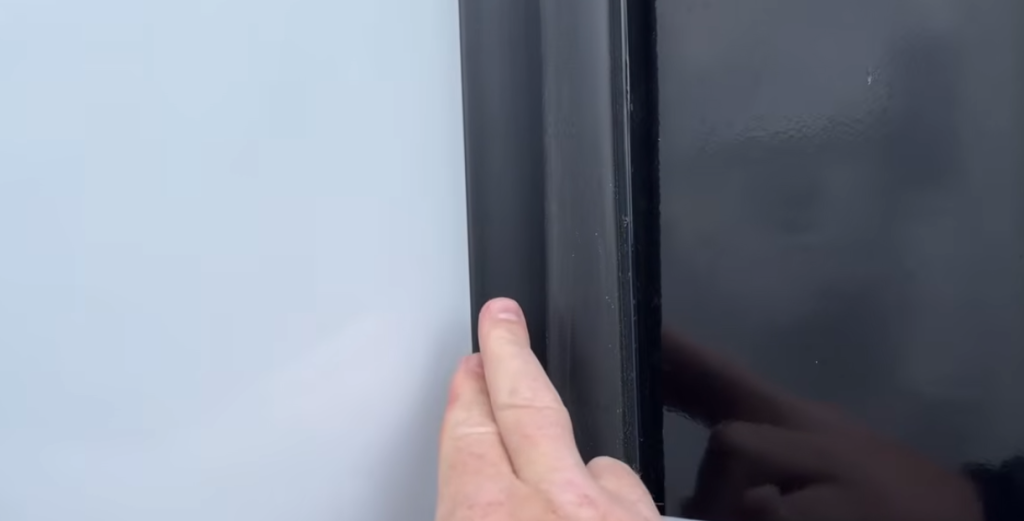
How to clean them:
- Open slide
- Wipe seals with warm water + mild dish soap
- Close slide partway and clean the opposite side
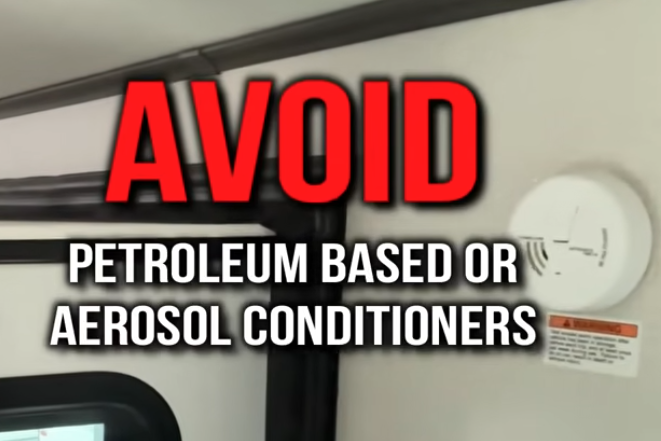
- Use a water-based slide seal conditioner (avoid aerosols)
Clean both outer and inner seals.
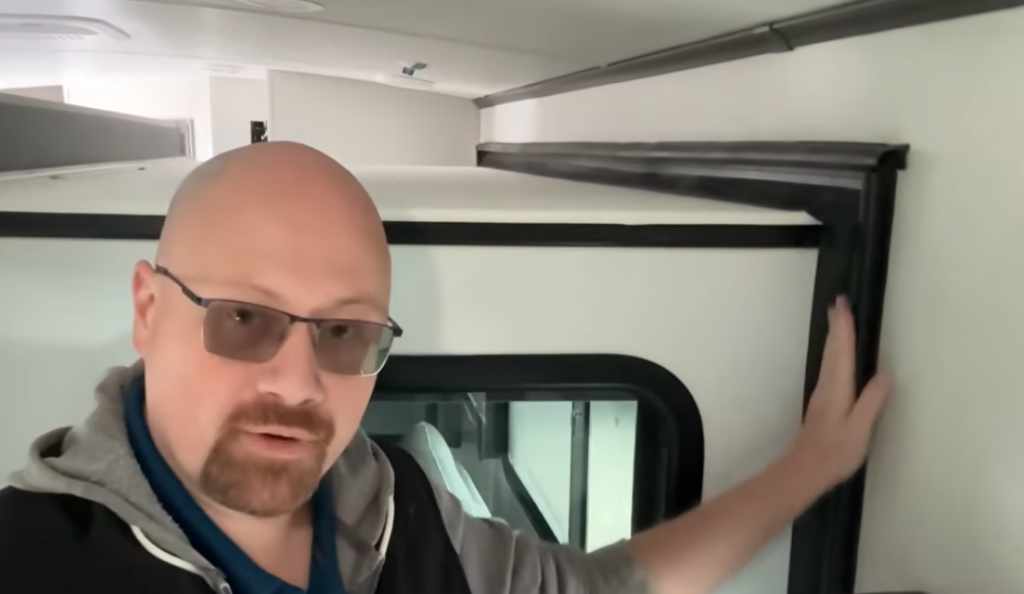
Slide systems require proper lubrication and slide seal conditioning to extend their longevity, make sure you know what type of lubricant and conditioning your RV slide system requires!
Small RV Habits Save Big Money
Most RV problems aren’t major failures, they’re slow, preventable issues caused by habits we don’t realize are harmful. With a little knowledge, you can avoid unnecessary service visits, extend the life of your RV, and camp with confidence!
Whether you’re protecting your tanks, maintaining your seals, improving your towing safety, or upgrading batteries, these small tips can add up to thousands in your pocket over the life of your RV.
If you want more step-by-step guides and help on how to maintain your RV ownership check out the resources at Bishs.com!
We are here to help you have fewer repairs, lower your costs, and experience smoother adventures. Happy camping!

Written By: Brooke Erickson
Some say I am a writer, I like to say I am a storyteller